
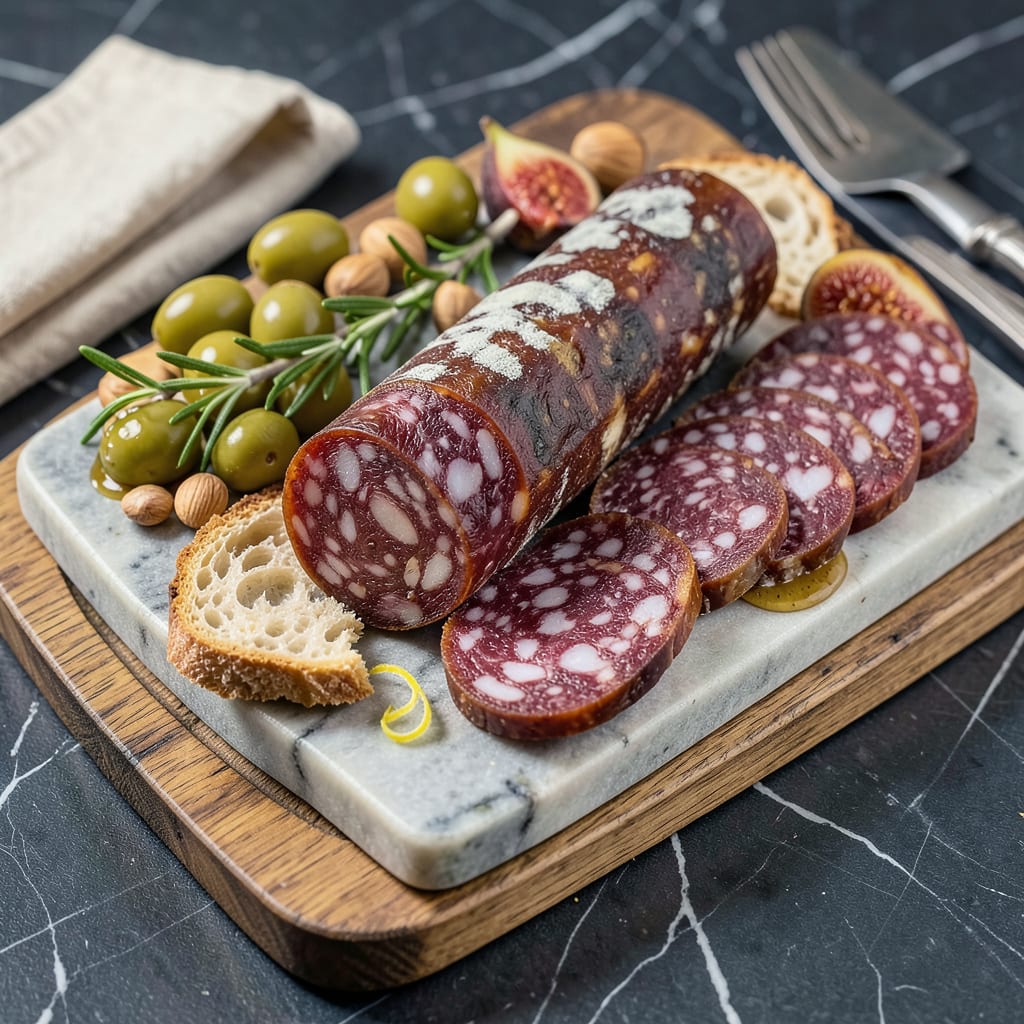
A basic salami recipe requires ground pork, fat, curing salt, spices like black pepper and garlic, and fermentation for 3-6 weeks. Proper temperature and humidity control are essential for safe, flavorful results.
Crafting salami at home transforms simple ingredients into a complex, aged delicacy through controlled fermentation. 🔥 The magic happens when beneficial bacteria break down proteins and fats over weeks, developing that signature tangy depth. I’ve found the meat-to-fat ratio particularly crucial—too lean and the texture becomes crumbly, while excessive fat risks spoilage during the long curing process.
What separates great salami from merely good is understanding how each component interacts during fermentation. The curing salt isn’t just for preservation; it draws out moisture to create that firm yet yielding bite. Meanwhile, spices like fennel or red pepper flakes mellow and meld with the meat’s natural flavors as the weeks pass. Temperature swings or improper humidity can ruin months of work, so precision matters at every stage.
💡 In This Article
- Key Ingredients and Their Roles in Salami Making
- Essential Equipment and Safety Tips for Homemade Salami
Key Ingredients and Their Roles in Salami Making
The foundation of great salami starts with the right meat-to-fat ratio. I aim for 70% lean pork to 30% fat—this balance ensures the final product stays moist without becoming greasy. The fat acts as tiny flavor reservoirs that melt slightly during fermentation, creating that signature marbled texture.
Too little fat makes salami dry and crumbly, while too much can cause rancidity during the long aging process. 🔥
Curing salt (typically Prague Powder #2) serves two critical functions: it prevents botulism by inhibiting bacterial growth and draws out moisture to create that firm, sliceable texture. The standard ratio is 0.25% of total meat weight—about 2.5g per kilogram. This precise measurement ensures safety while allowing beneficial lactic acid bacteria to thrive.
These microbes are what give salami its tangy complexity as they break down proteins over weeks.
Spices transform during fermentation in fascinating ways. Fresh garlic mellows into a sweet, nutty background note, while black pepper’s sharpness softens into warm depth. I’ve found that whole spices (like coriander seeds or fennel) release their flavors more gradually than powders.
The fermentation process also enhances umami compounds—after 4-6 weeks, the same mixture tastes dramatically more complex than the raw spiced meat.
The secret weapon in professional salami is bacterial starter cultures like Lactobacillus sakei or Staphylococcus carnosus. These specific strains outcompete harmful bacteria while producing lactic acid that lowers the pH. This acidification is what gives salami its characteristic tang and extends shelf life.
Without these cultures, you’re relying solely on wild fermentation—which can be risky and inconsistent. ✨
Even the water content matters—aim for 60-65% moisture in your initial mix. Too wet and the salami won’t dry properly; too dry and the texture becomes chalky. The humidity during fermentation (ideally 85-90%) controls how quickly moisture leaves the sausage.
This careful balance between internal moisture and external humidity determines whether you end up with a firm Genovese-style salami or a softer Napoli variety.
Temperature plays a crucial role in flavor development. The ideal fermentation range is 55-65°F—cool enough to prevent spoilage but warm enough for the cultures to work. Below 50°F, fermentation stalls; above 70°F, harmful bacteria can multiply.
I use a dedicated fermentation chamber with precise controls, but a wine fridge with an inkbird controller works beautifully for home producers. 💫
The aging process is where the magic happens. As salami dries, enzymes break down proteins into amino acids that create savory depth. Fats oxidize slightly, developing nutty, almost cheesy notes.
A well-aged salami at 6 weeks will have lost about 30-35% of its original weight through moisture evaporation—this concentration of flavors is what makes artisanal salami so intensely satisfying compared to commercial versions.

- BBQ Sausage Recipe Oven: Smoky Depth Without the Grill - September 28, 2026
- BBQ Chicken Bowl Recipe Rice: Smoky Sweetness Over Fluffy Grains - September 28, 2026
- Beef Cutlet Recipe Ideas: Crispy Breaded Patties With Bold Seasonings - September 28, 2026