
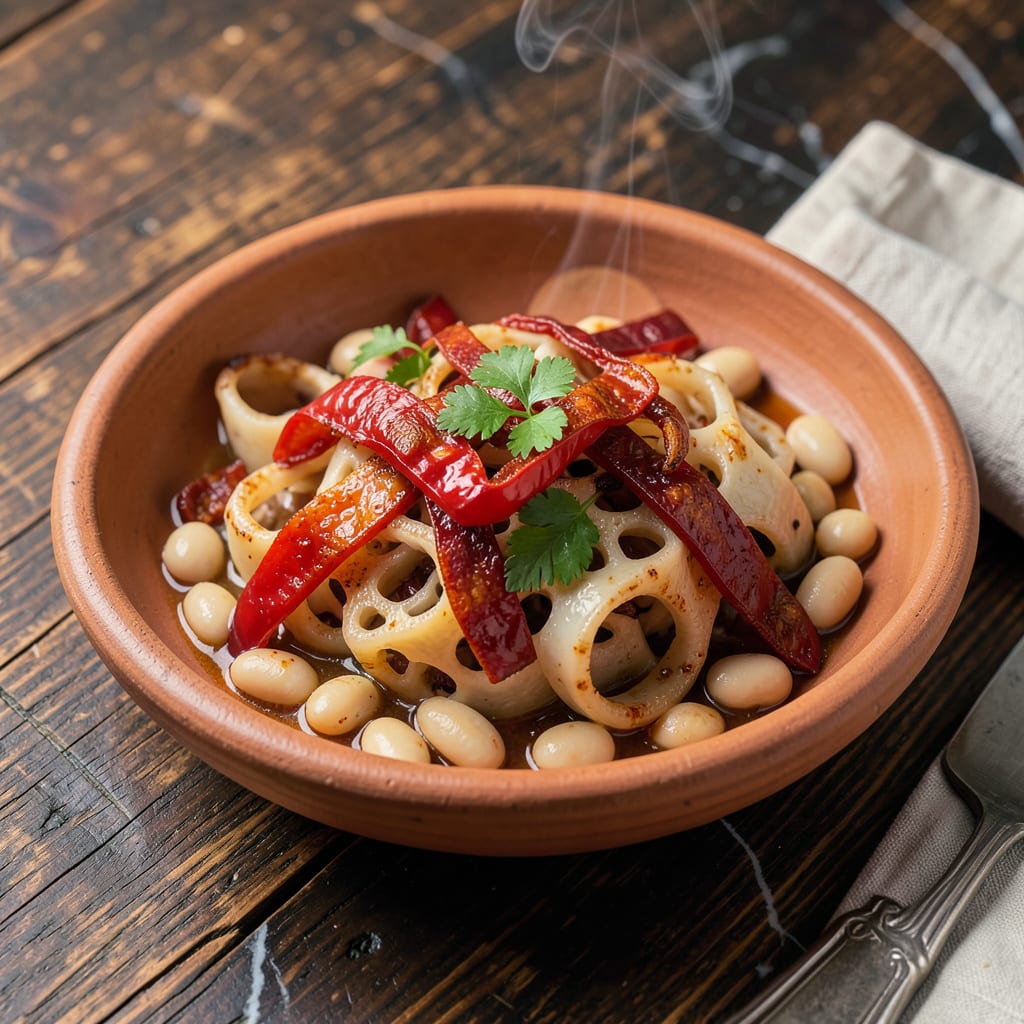
Tripe is best cooked low and slow—simmer it for 2-3 hours with aromatics like garlic, onions, and bay leaves until tender. Popular preparations include Italian trippa alla romana with tomatoes and pecorino or Mexican menudo with chili and hominy for bold flavor.
This humble offal cut transforms completely with patience and the right technique. The secret lies in its fibrous structure—collagen-rich tripe needs gentle, prolonged heat to break down into that melt-in-your-mouth texture we all love. 🔥 I’ve found that pre-boiling for 10-15 minutes before the main cook removes any residual gamey notes, while acidic ingredients like tomatoes or vinegar help tenderize it faster. Different cultures approach it uniquely: the French favor white wine reductions, while Asian cuisines often pair it with fiery chili pastes for contrast.
💡 In This Article
- Why Tripe Requires Slow Cooking for Best Texture
- Top 3 Beginner-Friendly Tripe Recipes to Try First
Why Tripe Requires Slow Cooking for Best Texture
Tripe’s unique honeycomb structure comes from its role as a cow’s stomach lining, packed with dense collagen fibers. These fibers don’t soften under quick high heat—instead, they require 2-3 hours of moist cooking at 180-200°F to gradually transform into gelatin.
This process, called hydrolysis, is what gives properly cooked tripe its signature silky texture while keeping the meat intact. 🔥
The science behind this lies in collagen’s triple-helix structure. When exposed to prolonged heat, these helices unwind and convert into gelatin at about 160°F. Unlike muscle meat that tenderizes quickly, tripe’s connective tissue needs time—Chinese hot pot recipes often simmer it for 4+ hours, while Spanish callos achieves tenderness in 2.5 hours with pressure cooking.
The key is maintaining a gentle bubble, not a rolling boil, to prevent the fibers from seizing up.
What happens if you rush it? The collagen contracts instead of melting, leaving you with rubbery, chewy pieces no matter how much you season it. I’ve seen home cooks try to speed up the process by boiling aggressively, only to end up with tripe that’s tougher than when they started.
The moisture content is equally critical—too little liquid and the fibers dry out; too much and you lose flavor concentration. A 1:2 tripe-to-liquid ratio works best for most recipes.
Different cuts require slightly adjusted times. Honeycomb tripe (the most common) needs about 2 hours, while book tripe (smoother texture) may soften in 90 minutes. The real test? A butter knife should slide through with minimal resistance.
In Mexican menudo, they often add hominy in the last hour to absorb the rich, collagen-infused broth—this is when the magic really happens and flavors meld completely. ✨
Acidity plays a crucial supporting role too. A splash of vinegar or tomato in the cooking liquid doesn’t just add flavor—it helps break down collagen faster by lowering the pH. This is why Italian trippa alla romana includes tomatoes, and why many recipes suggest a 30-minute vinegar soak before cooking.
The acid works on the surface fibers while the heat penetrates deeper, creating that perfect balance of tenderness and structure.
Pro tip: If you’re short on time, a 30-minute pressure cook at high pressure can mimic 2 hours of stovetop simmering. But be warned—this method requires precise timing, as overcooking in a pressure cooker can turn your tripe to mush.
The traditional slow method gives you more control over texture and flavor development, which is why most professional chefs still prefer it for restaurant-quality results. 💫

- BBQ Sausage Recipe Oven: Smoky Depth Without the Grill - September 28, 2026
- BBQ Chicken Bowl Recipe Rice: Smoky Sweetness Over Fluffy Grains - September 28, 2026
- Beef Cutlet Recipe Ideas: Crispy Breaded Patties With Bold Seasonings - September 28, 2026