
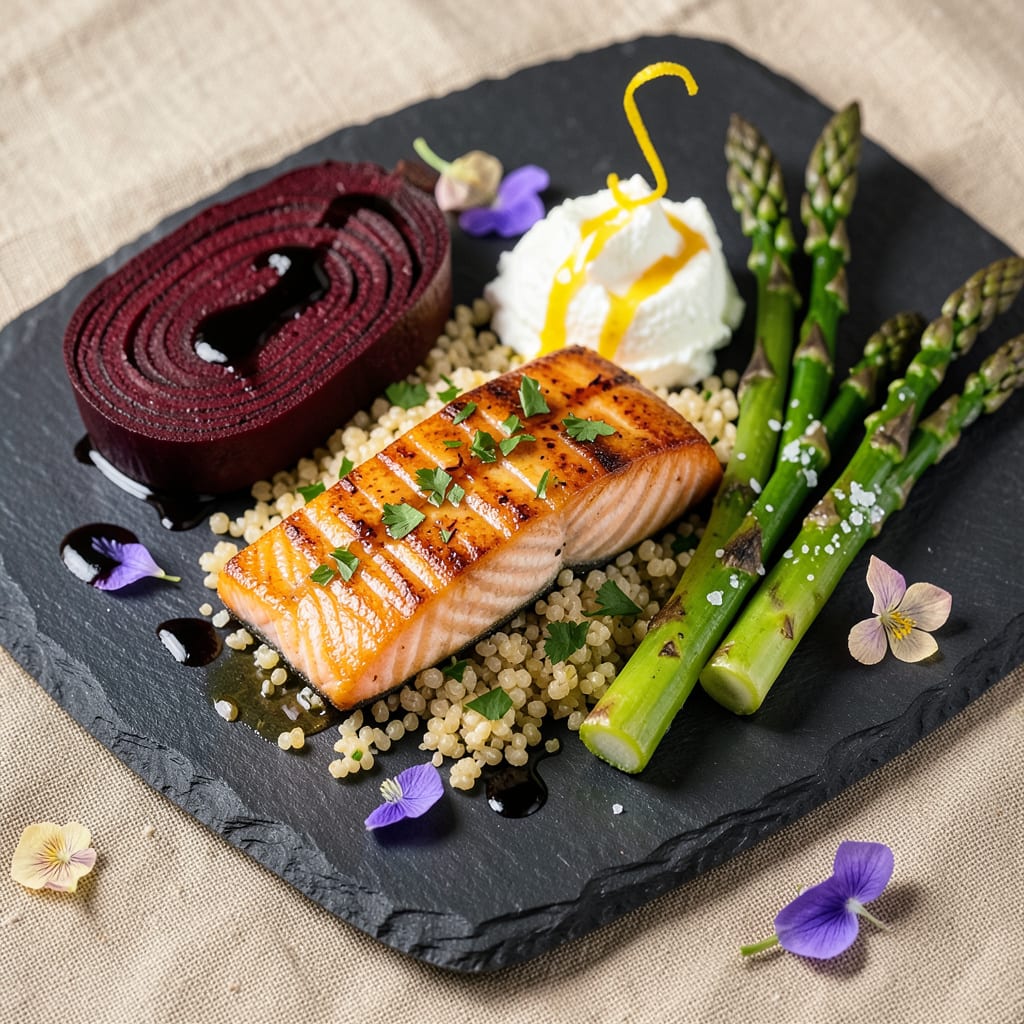
A ‘Recipe of Me’ example is a creative, personalized dish that represents your identity through ingredients, flavors, and techniques. Start with a base that reflects your roots, then layer in favorite flavors and meaningful textures for a truly unique dish.
This concept goes beyond cooking—it’s about translating who you are into edible form. 🔥 Imagine using your grandmother’s traditional rice as the foundation, then adding your favorite bold spices to represent your adventurous side. The magic happens when you balance contrasting elements, like pairing sweet memories with spicy ambitions, to create something that’s unmistakably you.
What makes this exercise powerful is how it forces you to examine your own story through a culinary lens. The ingredients become metaphors, and the cooking process mirrors how you’ve blended different life experiences. I’ve seen people use colorful vegetables to represent their vibrant personalities or layered sauces to show their complex backgrounds.
💡 In This Article
- Crafting a Personalized Recipe of Me Concept
- Step-by-Step Guide to Building Your Recipe of Me
Crafting a Personalized Recipe of Me Concept
The process begins with identifying your core elements—think of it like creating a flavor DNA. Start by listing 3-5 defining traits (are you fiery, sweet, complex?) and translate these into culinary terms. For example, if you’re adventurous, you might incorporate chili peppers or unexpected spice blends.
Someone with a calm demeanor might focus on soothing ingredients like honey-glazed root vegetables or creamy coconut bases. The key is matching intensity levels to your personality. 🔥
Your cultural background provides the perfect foundation. A Mexican-American might start with corn masa as their base, while someone with Italian roots could use handmade pasta. I’ve seen beautiful examples where people combine heritage ingredients in unexpected ways—like using Japanese miso in a traditional French bechamel sauce to represent their bicultural upbringing.
These base elements should make up about 40-50% of your final dish composition.
The real magic happens in the layering. Each additional ingredient should represent a different life chapter or aspect of your identity. A musician might incorporate rhythmic textures—crunchy, smooth, crispy elements in sequence. Someone who loves travel could use a spice blend with components from each country they’ve visited.
The proportions matter: aim for 20-30% personality ingredients, 10-20% aspiration elements, and 5-10% for quirky personal touches.
Balance becomes crucial when combining strong flavors. If you’re representing both sweet and spicy aspects of your personality, consider using caramelized onions as a bridge—their natural sugars can mellow heat while adding depth. For visual balance, use the rule of thirds: divide your plate into sections representing past, present, and future.
A client once created a stunning dish with black garlic puree (her difficult past), golden turmeric rice (current success), and edible silver leaf (future aspirations). ✨
Don’t overlook the power of cooking techniques to represent your journey. Someone who’s overcome challenges might use sous vide to show precision and patience, while a free spirit could opt for open-flame grilling. The temperature and timing become metaphors—low-and-slow cooking for steady growth, quick searing for transformative moments.
Even the serving temperature can carry meaning: chilled components for cool-headedness, piping hot elements for passion.
Presentation tells the final chapter of your story. The plate becomes your canvas—use sauce drizzles to show connections between life elements, or stacked components to represent personal growth. I recommend using at least three different textures and colors to create visual interest.
One memorable example used a deconstructed format where each ingredient was served separately, requiring the diner to combine them—perfect for someone who sees life as a series of choices to be actively assembled. 💫
The finishing touch often comes from garnishes that represent your current focus. A new parent might use microgreens for growth, while an artist could incorporate edible flowers for creativity. These final elements should be added just before serving to maintain their symbolic freshness.
The complete dish should tell your story in three bites: first impression, middle complexity, and lasting aftertaste—just like how people experience you in real life.

- BBQ Sausage Recipe Oven: Smoky Depth Without the Grill - September 28, 2026
- BBQ Chicken Bowl Recipe Rice: Smoky Sweetness Over Fluffy Grains - September 28, 2026
- Beef Cutlet Recipe Ideas: Crispy Breaded Patties With Bold Seasonings - September 28, 2026