
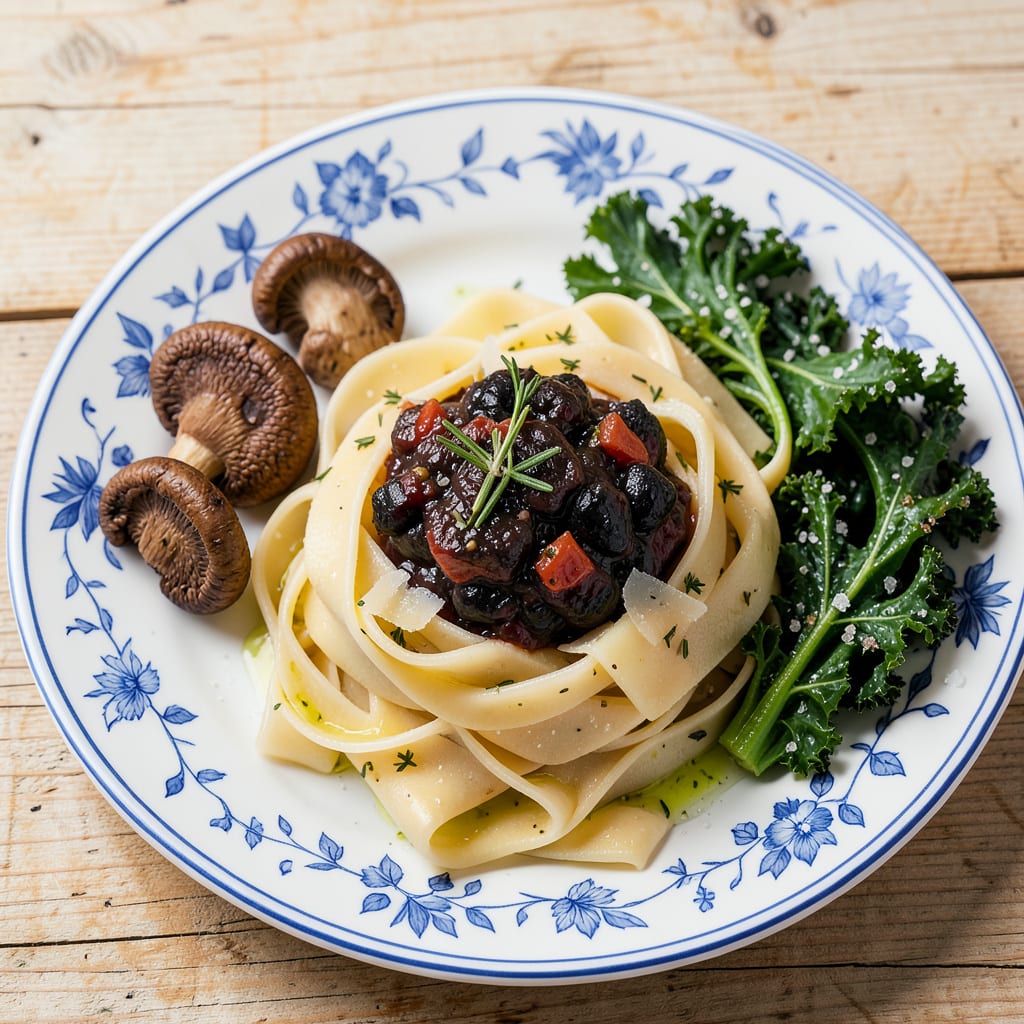
Classic Italian recipes showcase regional simplicity and bold flavors. Think handmade pasta like cacio e pepe, slow-simmered ragù alla bolognese, crispy risotto alla Milanese, or Neapolitan pizza with its charred, chewy crust. Each dish reflects Italy’s culinary heritage through fresh, seasonal ingredients.
The beauty of these dishes lies in their ability to transform humble ingredients into extraordinary meals. 🔥 Take ragù alla bolognese, for example—it’s not just a meat sauce, but a slow-cooked symphony of ground beef, pork, and pancetta, enriched with wine and tomatoes over hours. Meanwhile, risotto alla Milanese gets its golden hue from saffron, a spice so precious it was once traded like currency. These recipes aren’t just food; they’re edible history lessons, passed down through generations with meticulous care.
What sets authentic Italian cooking apart is its unwavering commitment to technique and tradition. ✨ The Neapolitan pizza you enjoy today follows rules established in 1889, including a wood-fired oven heated to 900°F and a crust no thicker than 1/3 inch. Even cacio e pepe, with its seemingly simple combination of cheese and pepper, demands precise timing to create that creamy, silky sauce without a single drop of cream. It’s this balance of simplicity and mastery that defines Italian cuisine.
💡 In This Article
- Why These Italian Recipes Define Authentic Tradition
- How to Master 5 Essential Italian Recipes at Home
Why These Italian Recipes Define Authentic Tradition
The secret to Italy’s culinary legacy lies in its regional diversity and seasonal purity. Northern Italy’s cooler climate produces butter-rich dishes like risotto alla Milanese, where saffron threads (just 0.1g per serving) infuse the Arborio rice with golden color and floral notes.
Meanwhile, Southern Italy’s sun-drenched fields yield olive oil-based pastas like orecchiette con cime di rapa, where the bitterness of turnip greens balances the pasta’s chewy texture. This north-south divide creates a culinary map where each region’s climate dictates its signature flavors.
Centuries-old techniques preserve these traditions. Take ragù alla bolognese, which requires 3-4 hours of simmering to break down collagen in beef and pork into gelatin, creating that unctuous mouthfeel. The soffritto base (onion, celery, carrot in 1:1:1 ratio) caramelizes at 280-300°F, developing Maillard reactions that build complex flavors.
Even the pasta water’s starch content (1-2%) becomes crucial in dishes like cacio e pepe, where it emulsifies Pecorino Romano into a velvety sauce without cream.
Family traditions act as living cookbooks. My nonna’s Neapolitan pizza recipe specifies 00 flour (12% protein) for elasticity and a 72-hour cold fermentation to develop gluten strands that create those signature air pockets. The oven must hit 900°F to achieve the 90-second cook time that produces a leopard-spotted crust.
These precise measurements aren’t arbitrary—they’re the result of generations perfecting the balance between texture and flavor.
The ingredients themselves tell stories. San Marzano tomatoes grown in volcanic soil near Mount Vesuvius contain 2-3 times more lycopene than standard tomatoes, giving ragù its vibrant red hue and sweet-acid balance. Parmigiano Reggiano aged 24-36 months develops tyrosine crystals that create that satisfying crunch in risotto.
Even the pepper in cacio e pepe comes from specific Saracen trade routes that shaped Rome’s spice markets in the 8th century.
What makes these dishes iconic isn’t just taste—it’s their cultural resilience. Risotto alla Milanese originated in 1574 as a joke (using saffron to mimic gold leaf), while pizza Margherita was created in 1889 to honor Queen Margherita with colors representing the Italian flag.
These recipes survived wars, economic shifts, and globalization because they adapt without losing their soul. A Roman chef might use guanciale instead of pancetta in carbonara, but the technique of tossing pasta in the rendered fat remains sacred.
Modern Italian cooking still follows these principles. Chefs like Massimo Bottura reinterpret classics while respecting their foundations—his “Oops! I Dropped the Lemon Tart” maintains the traditional 3:1 butter-to-flour ratio of pasta frolla crust, just presented differently.
Home cooks can achieve authenticity by focusing on ingredient quality (extra virgin olive oil with <0.8% acidity), proper tools (bronze-die pasta makers for rough texture), and patience (letting dough rest 30+ minutes before rolling). This balance of innovation and tradition keeps Italian cuisine vibrant yet timeless. 💫

- BBQ Sausage Recipe Oven: Smoky Depth Without the Grill - September 28, 2026
- BBQ Chicken Bowl Recipe Rice: Smoky Sweetness Over Fluffy Grains - September 28, 2026
- Beef Cutlet Recipe Ideas: Crispy Breaded Patties With Bold Seasonings - September 28, 2026