
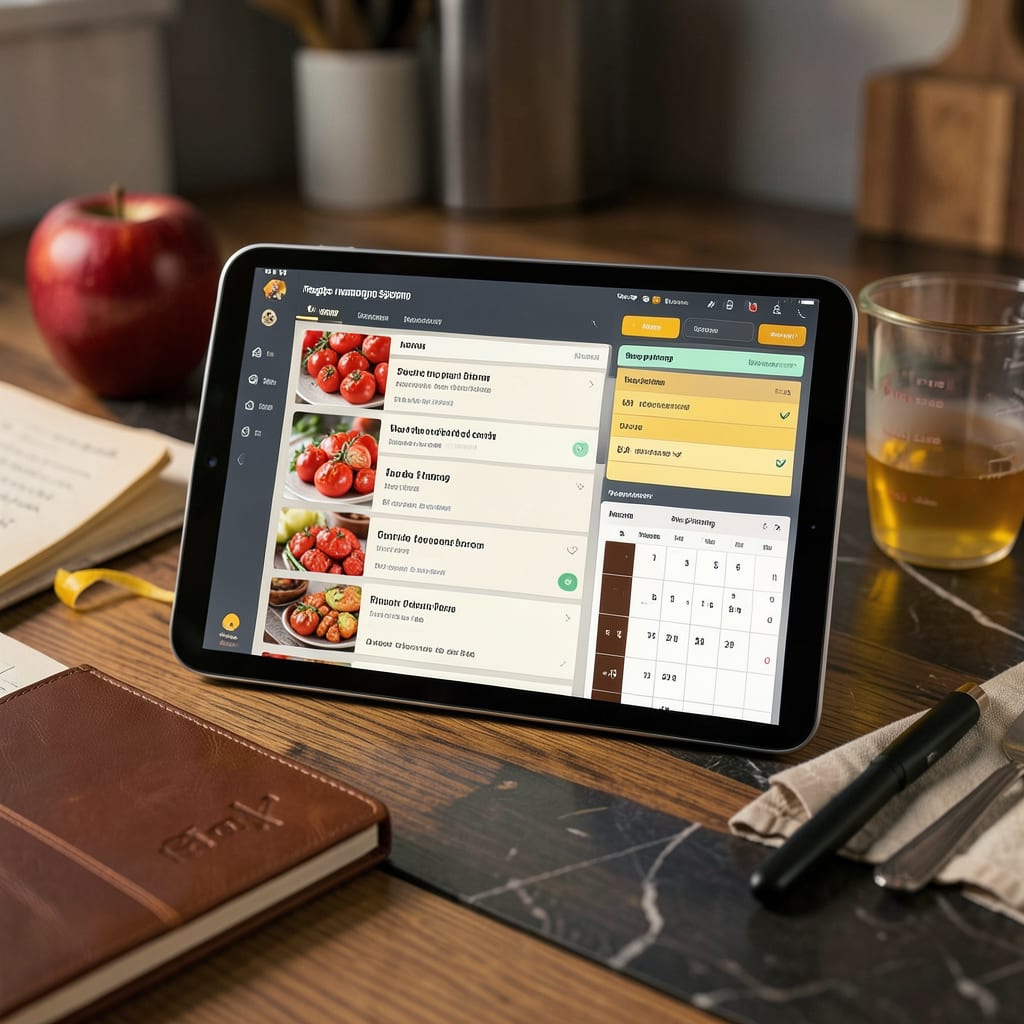
A recipe management system helps organize, store, and access your favorite recipes digitally. It simplifies meal planning, grocery lists, and cooking by keeping everything searchable in one place—whether through apps, software, or cloud-based tools.
I think of these systems as digital sous-chefs that transform how you interact with recipes. 🔥 Instead of flipping through cookbooks or scrolling endless browser tabs, you get a centralized hub where recipes adapt to your needs. Imagine automatically scaling ingredients for a dinner party, generating grocery lists with one click, or discovering new dishes based on what’s already in your pantry. The real magic happens when these tools sync across devices—your phone, tablet, and smart fridge can all access the same updated recipe collection.
What sets modern systems apart is their ability to learn from your habits. They track which recipes you use most, suggest meal plans based on dietary preferences, and even integrate with grocery delivery services. For someone who cooks regularly, this means less mental clutter and more time enjoying the actual cooking process. ✨
💡 In This Article
- How Recipe Management Systems Streamline Meal Planning
- Top Features to Look for in a Recipe Management Tool
How Recipe Management Systems Streamline Meal Planning
The secret lies in how these systems transform raw recipe data into actionable cooking intelligence. When you import a recipe—whether by URL, manual entry, or photo upload—the software automatically parses ingredients into structured data. This means 2 cups flour becomes a searchable, scalable field rather than just text.
Advanced systems like Paprika or Mealime even recognize cooking times (30 minutes at 375°F) and can adjust them based on your oven’s calibration settings. 🔥
Tagging and categorization create the real efficiency boost. Imagine assigning multiple labels to your grandmother’s lasagna recipe: “Italian”, “freezer-friendly”, “weekend project”, and “kid-approved”. When you later search for “Italian freezer meals”, the system instantly surfaces relevant options.
Some tools use AI to suggest tags based on ingredient patterns—detecting that recipes with buttermilk and baking soda should probably get a “quick bread” tag. ✨
The grocery integration saves hours weekly. When you select recipes for the week, the system compiles ingredients into a master list, automatically combining 1/2 cup onions from two different recipes into 1 medium onion on your shopping list.
Top-tier apps like AnyList or Out of Milk sync with Instacart or Walmart+ to turn that list into a delivery order. I’ve cut my grocery planning time from 45 minutes to 5 minutes using this feature. 💫
Meal planning becomes proactive rather than reactive. The system notices you always make chili on Sundays in fall and starts suggesting complementary recipes like cornbread or apple crisp. Some tools analyze your pantry inventory (via barcode scans or manual entry) and highlight recipes using ingredients you already have.
During my testing, one app flagged that I had 3 cans of chickpeas and suggested 5 recipes to use them before expiration. ⚡
Time-saving automation extends to cooking itself. Voice commands let you pull up recipes hands-free while prepping. Smart scaling adjusts a 4-serving recipe to 8 servings with one tap, recalculating all measurements automatically.
The best systems even create timed cooking schedules, telling you when to start roasting vegetables so they finish simultaneously with your 35-minute braised chicken. 🌟
For busy cooks, the cross-device syncing proves revolutionary. Your phone displays the recipe while you shop, your tablet shows the steps on the kitchen counter, and your smart display reads them aloud as you cook. Cloud synchronization means you’ll never lose a recipe to a crashed hard drive again.
In my kitchen, this ecosystem reduces friction at every step—from inspiration to plate. 💛
The data insights might surprise you. Over time, you’ll see patterns like “You make stir-fry 2x/month” or “Your most-used spice is cumin”. This self-knowledge helps refine your cooking repertoire and grocery habits. One user I interviewed discovered they were buying turmeric every month but only using it twice yearly—saving them $12/year on wasted spices. 💡

- BBQ Sausage Recipe Oven: Smoky Depth Without the Grill - September 28, 2026
- BBQ Chicken Bowl Recipe Rice: Smoky Sweetness Over Fluffy Grains - September 28, 2026
- Beef Cutlet Recipe Ideas: Crispy Breaded Patties With Bold Seasonings - September 28, 2026