
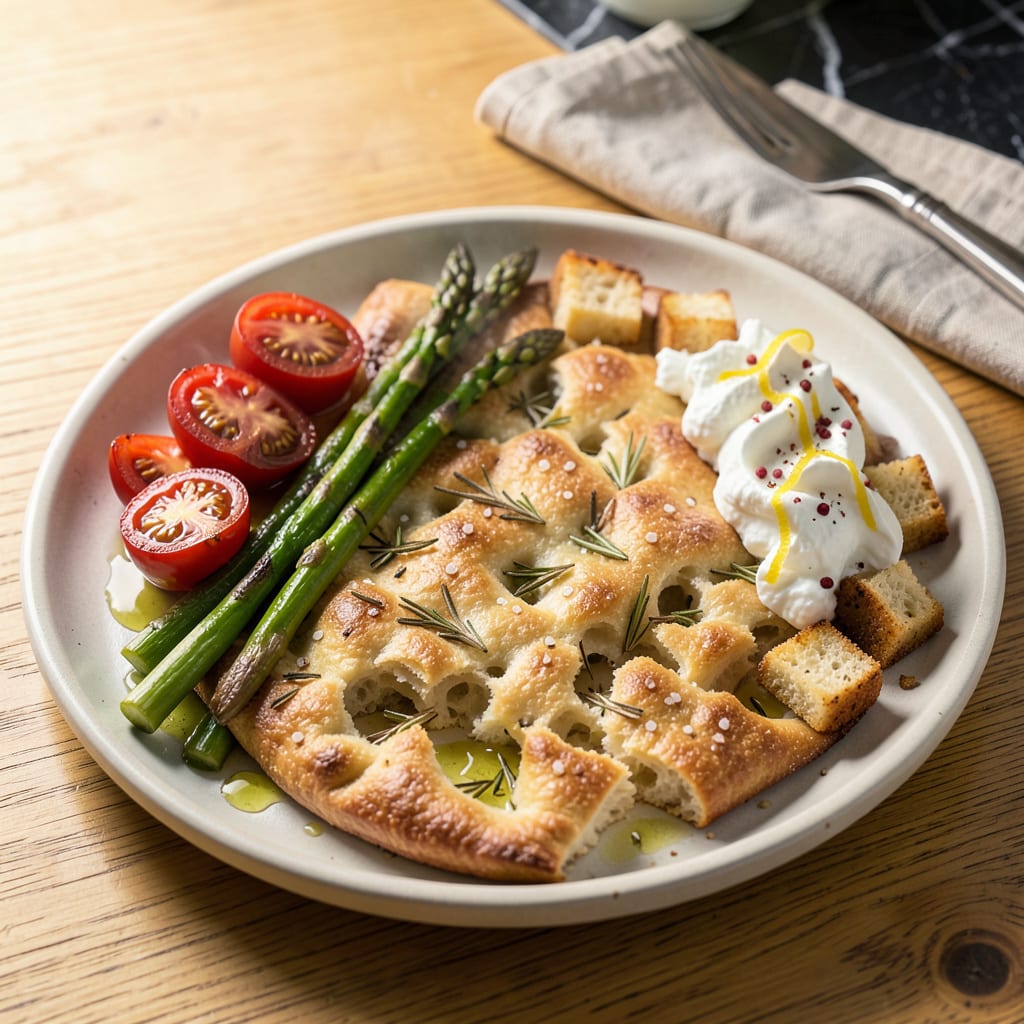
An easy recipe features minimal ingredients, simple techniques, short prep time, clear instructions, and flexible substitutions. Most require basic kitchen tools and under 30 minutes of active effort.
The beauty of truly simple cooking lies in its ability to remove barriers between you and a satisfying meal. I’ve found that the best beginner-friendly recipes focus on one-pot methods or 5-ingredient formulas that eliminate complicated prep work while still delivering impressive results. The real game-changer is when a recipe accounts for common kitchen limitations—like using pantry staples instead of specialty items or offering time-saving alternatives without sacrificing flavor. ✨
What separates a genuinely easy recipe from a misleading one is how it handles potential pitfalls. A well-designed simple recipe anticipates where things might go wrong and provides clear solutions upfront. For example, it might suggest pre-cut vegetables for those short on time or include visual cues for doneness rather than relying solely on precise timing. This thoughtful approach transforms cooking from a stressful chore into an enjoyable, confidence-building experience. 💫
💡 In This Article
- Core Characteristics of Truly Easy Recipes
- How to Adapt Any Recipe for Easier Cooking
Core Characteristics of Truly Easy Recipes
The foundation of effortless cooking starts with ingredient accessibility. Truly simple recipes rely on 5-7 common pantry staples you likely already own—think onions, garlic, canned beans, or basic spices rather than specialty items like saffron or fish sauce.
Research shows the average home cook keeps about 20 core ingredients regularly stocked, so the best easy recipes work within this existing inventory. When a recipe does require something less common, it should offer 2-3 simple substitutions upfront. 💛
Technique complexity separates genuinely easy recipes from misleading ones. The simplest dishes use one primary cooking method—like sautéing, roasting, or simmering—rather than juggling multiple processes. For example, a sheet pan dinner with proteins and vegetables roasted together at 400°F for 20-25 minutes requires minimal active effort compared to dishes needing constant stirring or temperature monitoring.
I’ve found recipes with 3 or fewer technique changes (like chop → sauté → simmer) feel most manageable for beginners. ✨
Time investment goes beyond just prep minutes—it’s about active versus passive work. A recipe asking for 10 minutes of hands-on prep followed by 30 minutes of unattended cooking feels easier than one requiring constant attention, even if total time is similar.
The best simple recipes structure steps so you can multitask: while onions caramelize, you can chop other vegetables; while pasta boils, you prepare the sauce. This “layered timing” approach reduces mental load significantly. 🔥
Skill level requirements often get overlooked in recipe design. Truly easy recipes assume basic knife skills (simple chopping, not julienne cuts) and use common kitchen tools like a chef’s knife, cutting board, and 1-2 pots/pans. They avoid techniques requiring practice—like tempering eggs or making roux—unless providing foolproof step-by-step guidance.
The language matters too: “cook until golden” is clearer than “sauté until al dente,” which requires experience to judge. 🌟
Psychologically, the easiest recipes create early wins to build confidence. Starting with simple tasks (like measuring dry ingredients) before moving to slightly more complex steps (like combining wet ingredients) makes the process feel more approachable.
Recipes that include visual doneness cues—”the edges should pull away from the pan” or “the surface will look matte, not shiny”—reduce anxiety about timing mistakes. This thoughtful sequencing transforms cooking from intimidating to empowering. ⚡
The most stress-free recipes also account for cleanup efficiency. Using one pot or pan (like a Dutch oven or sheet pan) minimizes dishes, while ingredients that don’t require prepping (pre-washed greens, canned beans) save both time and cleanup effort.
I’ve noticed recipes that produce 3 or fewer dirty tools feel significantly easier than those requiring multiple bowls and utensils, even if the active cooking time is identical. 💫
Finally, flexibility makes recipes truly easy. The ability to swap proteins (chicken for tofu), adjust seasonings to taste, or scale portions without recalculating measurements accommodates real-life cooking. Recipes that specify “or similar vegetable” or “any short-grain rice” empower cooks to use what they have on hand, reducing last-minute grocery trips.
This adaptability turns a simple recipe into a reliable template rather than a rigid formula. 💛

- BBQ Sausage Recipe Oven: Smoky Depth Without the Grill - September 28, 2026
- BBQ Chicken Bowl Recipe Rice: Smoky Sweetness Over Fluffy Grains - September 28, 2026
- Beef Cutlet Recipe Ideas: Crispy Breaded Patties With Bold Seasonings - September 28, 2026