
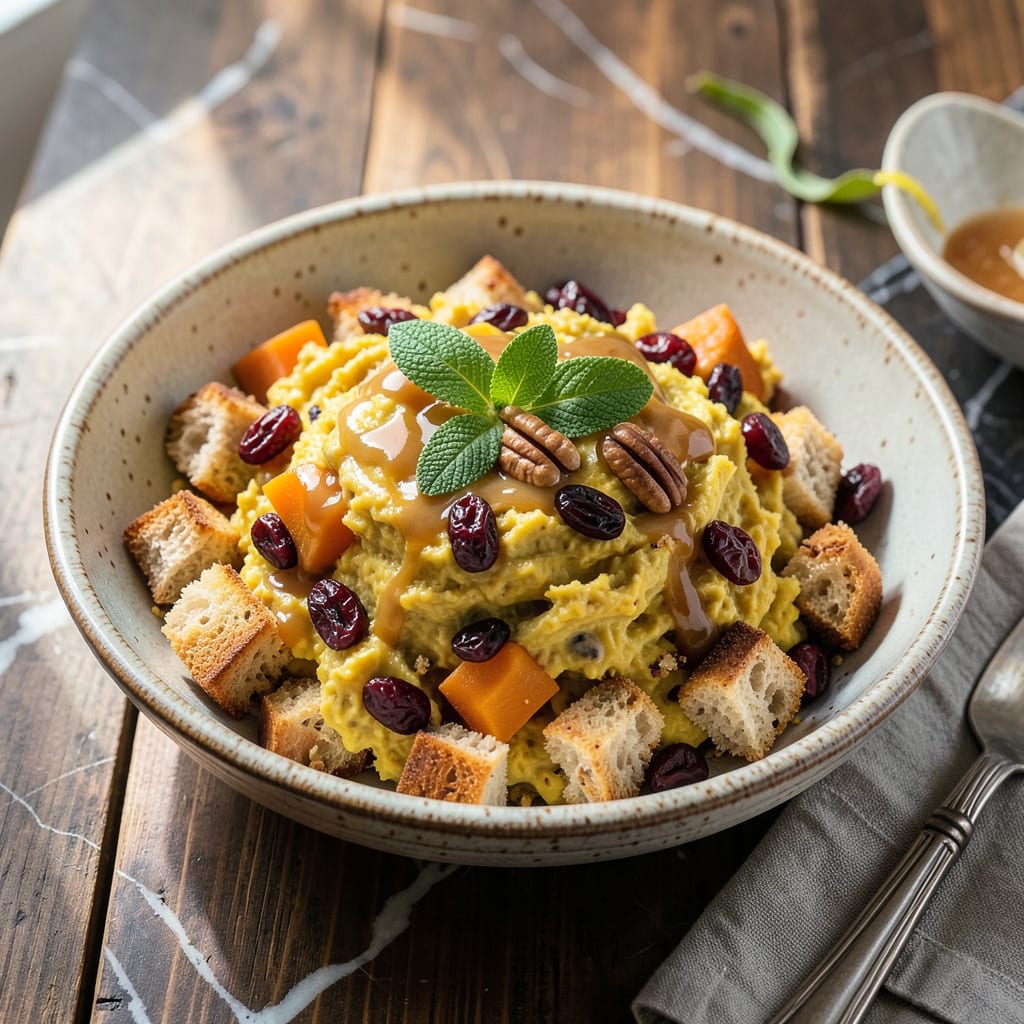
Squash dressing combines cooked yellow squash with breadcrumbs, eggs, cheese, and spices, then bakes until golden. It’s a creamy, savory side dish perfect for holidays or family dinners.
This dish transforms humble summer squash into a rich, comforting casserole that bridges the gap between stuffing and vegetable sides. The secret lies in balancing the squash’s natural sweetness with sharp cheddar or Parmesan, while breadcrumbs create that coveted crispy top layer. I love how it adapts to different occasions—serve it alongside roasted turkey or as a vegetarian main with a fresh salad. 🔥
What sets this apart from traditional dressings is its lighter texture, thanks to the squash’s moisture content. You’ll want to drain the cooked squash well to prevent a watery result, but don’t overdo it—those natural juices keep the dish tender. The baking process caramelizes the edges while maintaining a custard-like center that’s pure comfort food magic. ✨
💡 In This Article
- Key Ingredients That Define Squash Dressing Flavor
- Step-by-Step Guide to Perfect Squash Dressing Texture
Key Ingredients That Define Squash Dressing Flavor
The foundation starts with yellow summer squash, which brings natural sweetness and moisture. Unlike zucchini, yellow squash has a slightly firmer texture after cooking, holding its shape better in the final dish. The squash’s high water content (about 95%) means you’ll need to cook and drain it properly to avoid a soggy result.
When roasted or sautéed first, the squash develops caramelized notes that balance the richness of other ingredients. 🔥
Cheese selection dramatically impacts the flavor profile. Sharp cheddar adds a tangy depth that cuts through the squash’s sweetness, while Parmesan contributes umami and a nuttier finish. A typical ratio is 1 cup shredded cheddar to ½ cup grated Parmesan for optimal balance. The cheese also helps bind the dressing during baking, creating that desirable custard-like consistency in the center while the top crisps up beautifully.
Breadcrumbs serve a dual purpose—they absorb excess moisture from the squash while creating texture contrast. Panko breadcrumbs work best for a crunchier top layer, while traditional dry breadcrumbs blend more evenly into the mixture. For every 4 cups of cooked squash, you’ll want about 1 cup of breadcrumbs to maintain structure. The starch in breadcrumbs also helps stabilize the egg mixture, preventing separation during baking. ✨
Herbs and spices transform this from simple to spectacular. Fresh thyme or sage adds earthy notes that complement the squash, while a pinch of cayenne or smoked paprika introduces subtle warmth. The classic combination includes 1 tsp dried thyme, ½ tsp garlic powder, and ¼ tsp black pepper.
These seasonings don’t just add flavor—they enhance the natural sweetness of the squash through aromatic compounds that interact during the baking process.
The egg binder is what gives squash dressing its signature custard-like texture. Two large eggs are typically sufficient for 6 cups of total mixture, providing enough protein to set during baking without making the dish rubbery.
The eggs coagulate at about 160°F, which is why you’ll see the dressing firm up beautifully in the oven while remaining tender. This protein network also helps suspend the cheese and breadcrumbs evenly throughout the dish. 💫
Butter or oil in the recipe serves as both a flavor carrier and texture enhancer. About 2 tbsp melted butter is standard for 6 servings, coating the breadcrumbs for better browning and adding richness to the custard base.
The fat molecules interact with the starches in the breadcrumbs during baking, creating that coveted golden crust through the Maillard reaction—the same process that gives toast its appealing color and flavor.
What many home cooks overlook is the importance of salt balance. Since squash is naturally mild, you’ll need about 1 tsp salt for 6 cups of mixture to enhance all the flavors.
The salt doesn’t just season—it helps draw out moisture from the squash during initial cooking and then reabsorbs into the dressing during baking, creating a more concentrated flavor profile in the final dish. ⚡

- BBQ Sausage Recipe Oven: Smoky Depth Without the Grill - September 28, 2026
- BBQ Chicken Bowl Recipe Rice: Smoky Sweetness Over Fluffy Grains - September 28, 2026
- Beef Cutlet Recipe Ideas: Crispy Breaded Patties With Bold Seasonings - September 28, 2026