
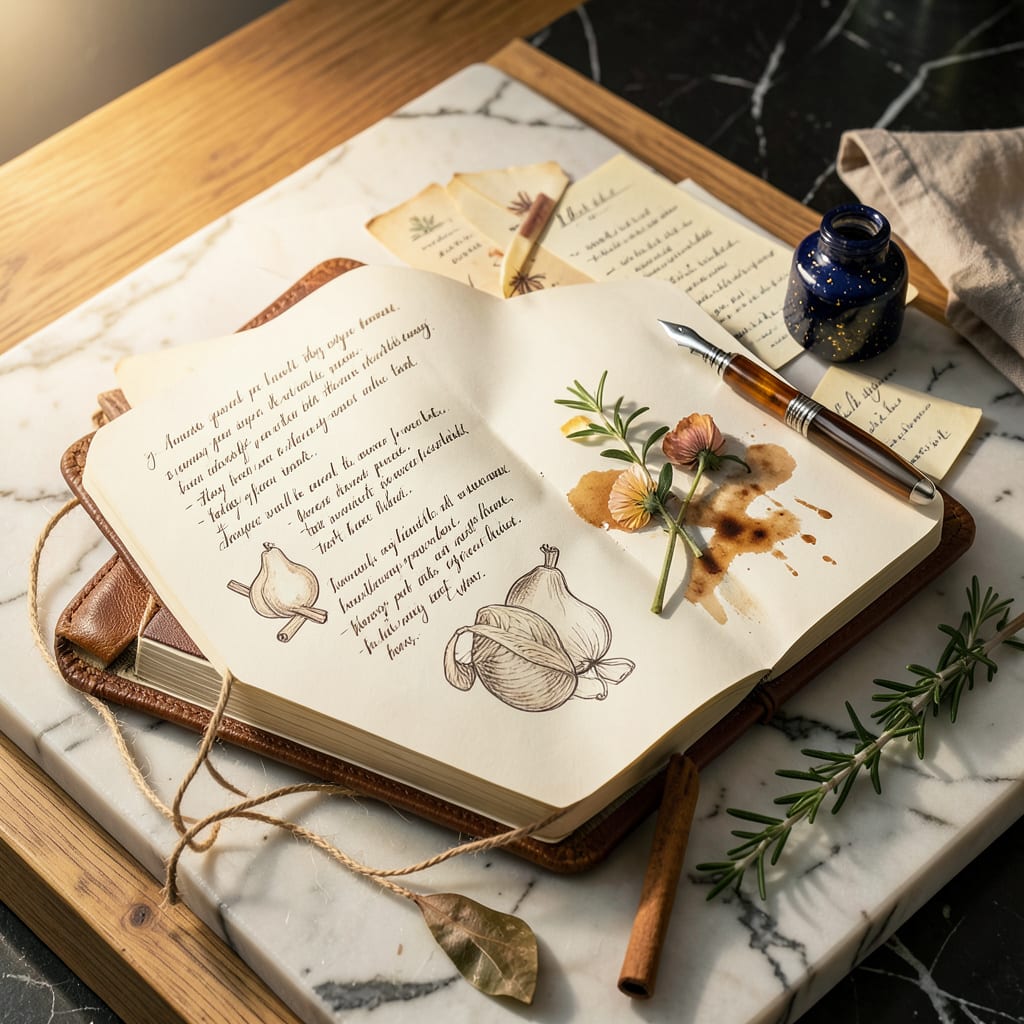
A recipe journal book helps organize handwritten or printed recipes in one place, offering customizable layouts, durable materials, and space for notes. Choose between blank, guided, or digital formats based on your cooking style and storage needs.
I’ve found these journals transform how people interact with their recipes—beyond just storage, they become personal culinary archives. 🔥 The best options feature acid-free paper to prevent ink bleeding over time, with layouts that adapt to everything from quick weeknight meals to elaborate holiday feasts. What sets them apart is their ability to evolve with your cooking journey, whether you’re jotting down grandma’s secret techniques or experimenting with modern fusion dishes.
Durability matters more than you’d think—spiral bindings lay flat while hardcovers protect against kitchen spills. I always recommend looking for tabbed sections that let you organize by meal type or dietary preference, making it effortless to find exactly what you need when inspiration strikes. ✨
💡 In This Article
- Key Features to Look for in a Recipe Journal Book
- Creative Ways to Use Your Recipe Journal Book
Key Features to Look for in a Recipe Journal Book
The foundation of any great recipe journal starts with its paper quality. Look for acid-free paper (typically 80-120 gsm) that resists yellowing and prevents ink bleed-through over decades. This matters because regular paper degrades faster when exposed to kitchen humidity or oils.
I’ve seen journals with 100 gsm paper handle fountain pens and light watercolor notes without warping—perfect for adding personal touches to your recipes. 🔥
Binding type dramatically affects usability. Spiral-bound journals lay completely flat, ideal for left-handed writers or when you need both hands free while cooking. Meanwhile, hardcover case-bound options (like library-quality books) protect pages better but may not stay open as easily. The best compromise?
Look for journals with lay-flat hardcovers—these use special hinges that open 180 degrees while maintaining durability. ✨
Organization systems make or break your experience. Tabbed dividers should be reinforced with grommets to withstand frequent use, and the best journals include pre-labeled sections (appetizers, mains, desserts) plus blank customizable tabs. Some premium options even offer removable pages with perforations, letting you rearrange recipes or share copies without damaging the original.
This flexibility becomes invaluable as your collection grows over years. 💫
Consider the cover material—vinyl and leatherette wipe clean easily but may crack over time, while fabric-bound covers (like linen) develop a pleasant patina. For kitchen use, I recommend water-resistant coatings that protect against splatters. Some journals include built-in pockets for loose recipe cards or clippings, and elastic closures to keep everything secure.
These small details prevent the frustration of lost pages during busy cooking sessions. ⚡
Layout flexibility separates good journals from great ones. The best offer a mix of blank pages for freeform writing, guided templates with ingredient lists and method sections, and grid layouts for meal planning. Some even include conversion charts (metrics to imperial) and pre-formatted shopping lists in the back.
This variety lets you adapt the journal as your cooking style evolves—whether you’re documenting precise baking measurements or sketching plating ideas. 🌟
Pay attention to page count—150-200 pages gives you room to grow without becoming unwieldy. Thinner journals (100 pages) work for beginners, while serious home chefs might prefer 300+ page options. The binding should accommodate this thickness without pages falling out—look for sewn signatures rather than glue-only bindings for longevity.
This construction detail ensures your journal lasts through years of frequent use. 💛
Finally, consider archival quality. The best recipe journals use materials that meet ISO 9706 standards for permanence, meaning they’ll resist fading and deterioration for 100+ years. This becomes especially important when preserving family recipes—your grandchildren should be able to read your handwritten notes as clearly as you wrote them.
The right journal becomes a family heirloom, not just a temporary storage solution. 🌟

- BBQ Sausage Recipe Oven: Smoky Depth Without the Grill - September 28, 2026
- BBQ Chicken Bowl Recipe Rice: Smoky Sweetness Over Fluffy Grains - September 28, 2026
- Beef Cutlet Recipe Ideas: Crispy Breaded Patties With Bold Seasonings - September 28, 2026