
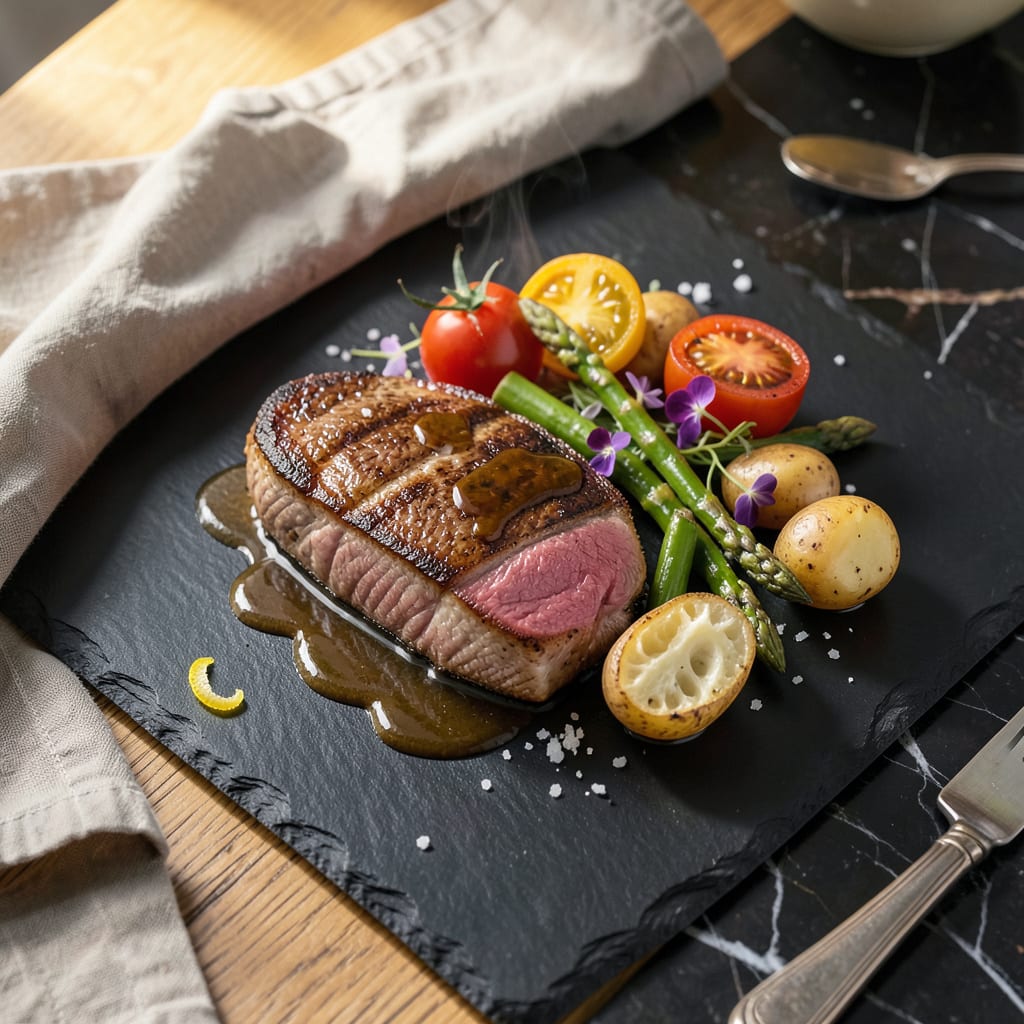
Recipe mode is a guided cooking feature in smart appliances that provides step-by-step instructions, precise temperature control, and automated timing to simplify complex dishes. It’s commonly found in air fryers, Instant Pots, and smart ovens.
This intelligent cooking assistant takes the guesswork out of meal preparation by handling critical variables for you. 🔥 Think of it as having a sous chef built into your appliance—it monitors internal temperatures, adjusts heat levels in real-time, and even accounts for altitude differences that could affect cooking times. What sets it apart is the ability to replicate professional techniques like slow braising or perfect proofing without constant supervision. I’ve found it particularly valuable for dishes requiring multiple temperature stages, like custards or multi-layered casseroles.
💡 In This Article
- How Recipe Mode Automates Cooking Processes
- Best Dishes to Cook Using Recipe Mode Features
How Recipe Mode Automates Cooking Processes
At its core, recipe mode relies on a network of precision sensors that continuously monitor your food’s environment. Thermal probes track internal temperatures with ±1°F accuracy, while humidity sensors detect moisture levels to prevent over-drying.
The real magic happens when these sensors feed data to the appliance’s microprocessor, which then adjusts power output in microsecond intervals—something no human chef could replicate manually. 🔥
Take a smart oven’s bread-proofing function as an example. The system maintains a consistent 80-90°F environment while monitoring dough expansion through weight sensors. When the dough reaches optimal rise (typically 1.5-2x its original size), the oven automatically transitions to baking mode at the pre-programmed 375°F.
This seamless handoff between stages eliminates the risk of overproofing that often plagues home bakers.
For multi-step dishes like risotto, recipe mode becomes your timing coordinator. The algorithm knows exactly when to prompt you to add broth (usually every 3-4 minutes) based on the rice’s absorption rate, which it calculates using the pot’s weight sensors.
Some advanced models even adjust stir intervals—every 90 seconds for Arborio rice versus every 2 minutes for Carnaroli—to prevent sticking while developing the perfect creamy texture.
What most people don’t realize is that these systems account for external variables too. Built-in barometers detect altitude changes that could affect boiling points (water boils at 203°F at 5,000 ft elevation versus 212°F at sea level), automatically compensating by extending cooking times by 5-15%.
Similarly, ambient temperature sensors adjust preheat times—adding 2-3 extra minutes if your kitchen is particularly cold. ✨
The most sophisticated versions use machine learning to refine their performance. After each use, they analyze whether the results matched the target (was your medium-rare steak actually 135°F internally?) and make micro-adjustments to future cycles.
This explains why your third attempt at soufflé in recipe mode will likely be more successful than your first—the system literally learns from its mistakes.
For proteins, the technology shines brightest with sous-vide style cooking. The appliance circulates water at precise temperatures (like 131°F for medium-rare beef) while ultrasound sensors detect when collagen begins breaking down into gelatin (around the 122-131°F range). This creates restaurant-quality tenderness without the need for expensive immersion circulators or constant monitoring. 💫
Even the user interface plays a role in the automation. Voice-guided prompts walk you through each step, while color-coded indicators show when it’s safe to open the lid (green light) or when pressure is still building (red light).
Some models sync with smartphone apps to send alerts when your dish reaches critical stages—like when your caramel hits 320°F and needs immediate attention to prevent burning.

- Bread Recipe KitchenAid Mixer: Foolproof Loaf With Perfect Rise - September 28, 2026
- BBQ Oysters Recipe Grill: Smoky Garlic Butter Bliss - September 28, 2026
- Crock Pot Mac and Cheese Recipe Paula Deen: Ultra Creamy Southern-Style Comfort - September 28, 2026