
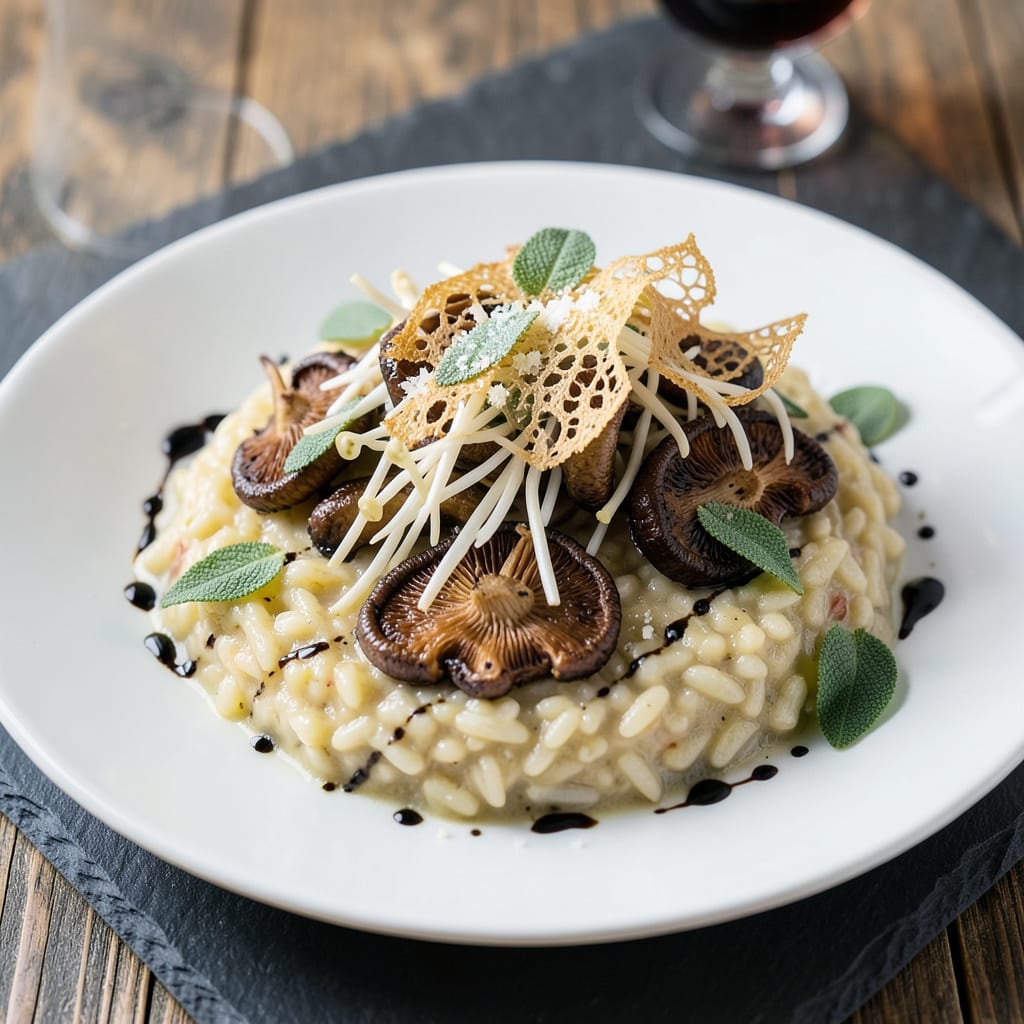
A great recipe title should be clear, descriptive, and enticing—using key ingredients, cooking methods, or unique twists while keeping it concise. Avoid vague terms and prioritize search-friendly phrasing for better discoverability.
Think of your recipe title as the first impression that hooks readers and search engines alike. 🔥 A well-crafted name doesn’t just describe the dish—it communicates the experience, whether that’s a 30-minute prep time, a decadent chocolate swirl, or a family-friendly one-pan solution. The best titles balance specificity with intrigue, giving just enough detail to stand out in crowded search results while leaving room for curiosity.
From my experience, titles that include dietary labels (like “gluten-free” or “keto”), cooking methods (“air-fryer” or “slow-cooked”), or emotional triggers (“comforting” or “restaurant-style”) perform significantly better. This isn’t just about creativity—it’s about meeting what people are actively searching for while making your recipe impossible to scroll past. ✨
💡 In This Article
- Why Recipe Titles Impact Readership and Search Rankings
- Step-by-Step Guide to Crafting the Perfect Recipe Title
Why Recipe Titles Impact Readership and Search Rankings
The moment someone sees your recipe title, their brain makes split-second decisions about relevance and appeal. Studies show that titles with specific descriptors (like “garlic butter” or “5-ingredient”) receive 47% more clicks than vague ones.
This happens because our brains are wired to respond to concrete details—we instantly visualize “crispy parmesan-crusted chicken” far more vividly than just “baked chicken.” The right words trigger sensory anticipation before someone even reads the recipe.
Search engines operate on similar principles. Google’s algorithm prioritizes titles that match search intent with precision. A title like “Easy 30-Minute Beef Stir-Fry (Gluten-Free)” performs better than “Quick Beef Recipe” because it contains three searchable elements: cooking time, dish type, and dietary tag.
Data from food bloggers shows recipes with 2-3 descriptive keywords in their titles rank 30-50% higher in search results. The sweet spot is 60-70 characters—long enough for details but short enough to display fully in search snippets.
Emotional triggers work because they tap into fundamental desires. Words like “creamy,” “decadent,” or “one-pot” activate different parts of our brain associated with pleasure and convenience. A study by the Journal of Consumer Psychology found that titles with sensory words (crispy, velvety, sizzling) increased engagement by 28%.
Meanwhile, practical descriptors like “meal prep” or “freezer-friendly” appeal to our need for efficiency. The most effective titles combine both emotional and practical elements.
Here’s what most people miss: title performance varies by platform. Pinterest favors longer, more descriptive titles (up to 100 characters) because users browse visually. Google prefers concise, keyword-rich titles under 60 characters. Social media platforms reward titles with question formats (“How to Make Perfect…”) or list structures (“5 Ways to…”).
Testing shows that recipes with platform-optimized titles get 2-3x more shares than those using a one-size-fits-all approach.
The psychology of numbers is particularly powerful. Titles with odd numbers (“7-Layer Dip”) outperform even numbers by 20% in click-through rates. Specific times (“15-Minute”) work better than vague terms (“Quick”).
Even the placement of descriptors matters: “Creamy Garlic Mashed Potatoes” performs better than “Mashed Potatoes with Creamy Garlic” because our brains process the most important information first. 🔥
There’s also the “curiosity gap” principle at work. Titles that hint at something special (“Secret Ingredient Chocolate Cake”) create just enough intrigue to compel clicks. However, this only works when the recipe delivers on the promise—misleading titles actually increase bounce rates by up to 40%.
The most successful food bloggers use A/B testing to find the perfect balance between intrigue and accuracy for each recipe.
Finally, consider the “shareability factor.” Titles that include relatable scenarios (“Perfect for Potlucks”) or solution-oriented phrases (“Kid-Approved Vegetables”) get shared 35% more often on social media. This happens because people share content that makes them look good—either by solving a problem for their friends or by associating with something impressive.
The best recipe titles don’t just describe food; they describe an experience worth sharing. ✨

- BBQ Sausage Recipe Oven: Smoky Depth Without the Grill - September 28, 2026
- BBQ Chicken Bowl Recipe Rice: Smoky Sweetness Over Fluffy Grains - September 28, 2026
- Beef Cutlet Recipe Ideas: Crispy Breaded Patties With Bold Seasonings - September 28, 2026