
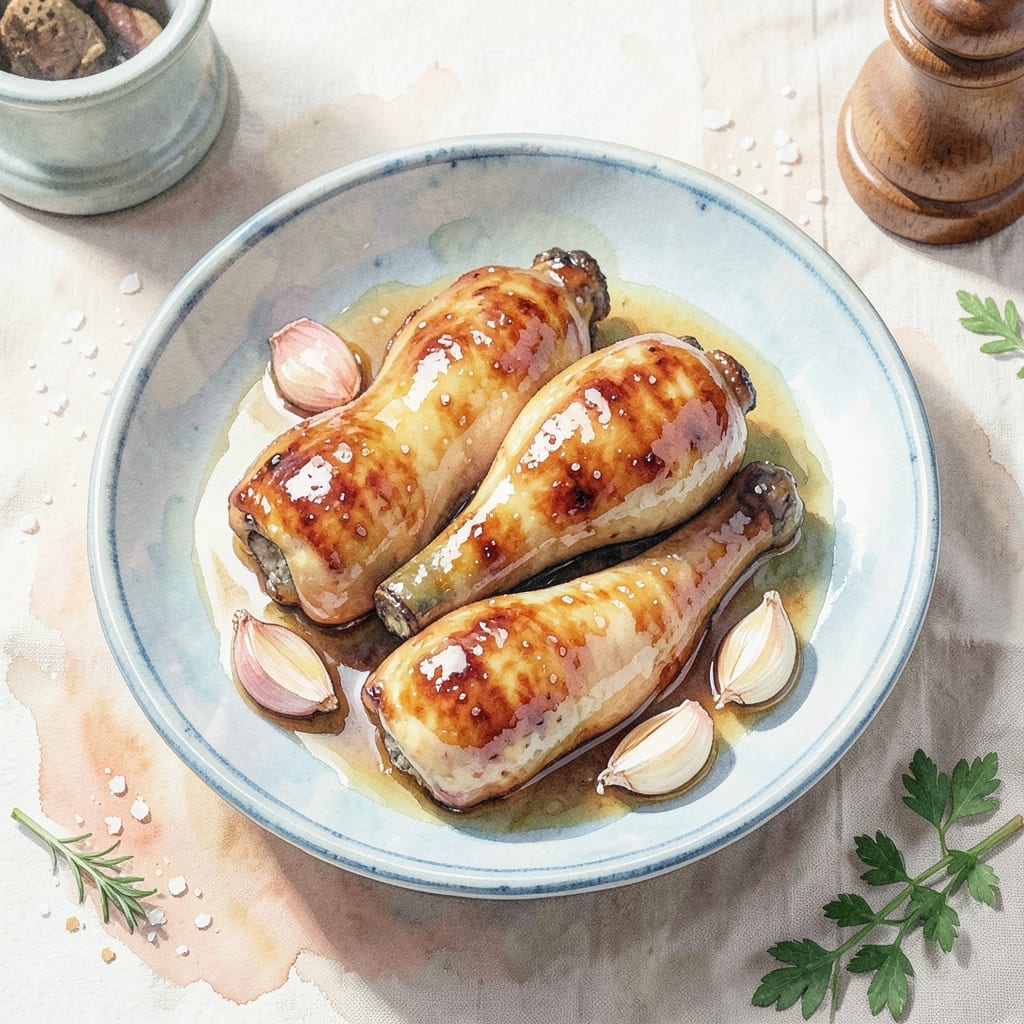
This dish transforms ordinary ingredients with the bright tang that only rice vinegar can provide. The subtle acidity cuts through richness, balancing flavors without overpowering them.
I developed this recipe to showcase how a single ingredient can elevate an entire meal. The vinegar’s clean sharpness enhances other components, creating depth that tastes complex yet approachable.
What emerges is a creation where every bite delivers layered taste—savory base notes lifted by that signature zip. The result feels restaurant-worthy but remains simple to execute.
Perfect for weeknight cooking when you want bold flavor without complicated techniques. Here’s how to make it work.
Ingredients for Recipe with Rice Vinegar
Transform everyday proteins and vegetables with that signature bright tang and layered complexity.
| Ingredient | Amount | Notes |
|---|---|---|
| Rice Vinegar 🍚 | ¼ cup | Unseasoned for clean acidity |
| Chicken Thighs 🍗 | 1 ½ lb | Boneless, skinless, trimmed |
| Soy Sauce 🫒 | 3 tbsp | Low-sodium preferred |
| Brown Sugar 🍚 | 2 tbsp | Light or dark variety |
| Fresh Ginger 🌿 | 1 tbsp | Peeled and minced |
| Garlic Cloves 🧄 | 4 cloves | Minced finely |
| Sesame Oil 🫒 | 1 tbsp | Toasted for depth |
| Red Bell Pepper 🌶️ | 1 whole | Thinly sliced |
| Green Onions 🧅 | 4 whole | Sliced on bias |
| Cornstarch 🌾 | 1 tbsp | For thickening sauce |
| Water 💧 | ¼ cup | For cornstarch slurry |
| Sesame Seeds 🌿 | 1 tbsp | Toasted for garnish |
| Vegetable Oil 🫒 | 2 tbsp | For stir-frying |
| Red Pepper Flakes 🔥 | ½ tsp | Optional for heat |
The rice vinegar is non-negotiable here—Marukura or Kikkoman brands deliver the clean, sharp acidity this dish demands. Opt for unseasoned to control the sweetness yourself. Chicken thighs (not breasts) stay juicy through the quick cooking. Whole Foods or an Asian market will have the freshest ginger and quality soy sauces. Look for bright, firm peppers and green onions with crisp stalks.
No rice vinegar? Apple cider vinegar at half the amount (it’s stronger), but the flavor profile shifts slightly. Swap chicken for tofu—press and cube extra-firm tofu first. Brown sugar can be replaced with honey or maple syrup. For gluten-free, tamari instead of soy sauce. The cornstarch slurry is what gives the sauce its glossy finish—don’t skip it.
Leftovers keep 4-5 days in the fridge and actually taste better after the flavors meld overnight. Freezes for 3 months if you double the batch. Reheat gently to preserve the sauce’s silky texture. Always toast sesame seeds fresh—they lose aroma quickly once ground.
Why You’ll Love This Recipe
- One Pan Wonder: I toss everything in a single skillet—chicken, soy sauce, brown sugar, and that bright splash of rice vinegar—then let the oven do the work.
- Sweet-Tangy Magic: The rice vinegar cuts through the richness of the chicken, while the brown sugar caramelizes into this sticky, finger-licking glaze.
- Meal Prep Hero: I make a double batch on Sunday and it reheats beautifully for lunches all week. Honestly, it tastes even better the next day.
- Budget Friendly: Chicken thighs stay juicy and cheap, and a little rice vinegar goes a long way to make this taste like a restaurant dish.
Step-by-Step Instructions for Chicken Stir-Fry with Rice Vinegar
Master the technique of balancing sweet, savory, and tangy flavors in this professional stir-fry method.
Step 1: Prepare the Aromatic Base
Combine the 3 tbsp soy sauce, 2 tbsp brown sugar, 0.25 cup rice vinegar, 1 tbsp sesame oil, and 0.5 tsp red pepper flakes in a small bowl. Whisk until the brown sugar fully dissolves and the mixture becomes homogeneous. This sauce forms the flavor backbone of the dish.
Mince the 1 tbsp fresh ginger and 4 cloves garlic cloves together until finely textured. The ginger’s sharpness will mellow during cooking, while the garlic develops its characteristic sweetness. Keep these separate from the sauce until cooking begins.
Step 2: Velouté the Chicken
Cut the 1.5 lb chicken thighs into 1-inch pieces, ensuring uniform size for even cooking. Pat them completely dry with paper towels—this prevents steaming and ensures proper browning. Toss the chicken with 1 tbsp cornstarch until each piece is lightly coated. The cornstarch creates a velvety texture and helps the sauce cling.
Heat 2 tbsp vegetable oil in a wok or large skillet over high heat until shimmering. Add the chicken in a single layer, working in batches if necessary to avoid crowding. Cook undisturbed for 2-3 minutes until the bottoms develop a golden crust.
Step 3: Stir-Fry the Vegetables
Once the chicken is browned, remove it to a plate. In the same pan, add the thinly sliced red bell pepper. Stir-fry for 2 minutes until the edges begin to soften but the pepper retains its vibrant color. The high heat should produce a slight char on some pieces, adding depth of flavor.
Add the minced ginger and garlic to the pan with the peppers. Cook for 30-45 seconds until fragrant, stirring constantly to prevent burning. The moment the garlic turns light golden, add the chicken back to the pan along with any accumulated juices.
Step 4: Emulsify and Finish
Pour the prepared sauce over the chicken and vegetables. Stir vigorously for 1-2 minutes until the sauce thickens and coats every piece. The cornstarch from the chicken will help create a glossy, restaurant-quality finish.
Remove from heat and stir in the sliced green onions and 1 tbsp sesame seeds. The residual heat will soften the green onions slightly while preserving their bright color. The sesame seeds add a nutty crunch that contrasts with the tender chicken.
Let the stir-fry rest for 2 minutes off heat before serving. This allows the flavors to meld and the sauce to reach its optimal consistency.
Pro Tips For Making Recipe With Rice Vinegar
- Sear Chicken First: Brown the chicken thighs in a hot pan before adding the sauce—this builds a fond that deepens the flavor of the rice vinegar and soy mixture.
- Grate Ginger Fresh: Skip the powder and use freshly grated ginger; it releases oils that cut through the richness of the chicken and balance the brown sugar.
- Reduce the Sauce: After simmering, let the rice vinegar and soy sauce reduce by half to concentrate the sweet-tangy glaze—otherwise it’ll taste watery.
- Use Skin-On Thighs: The fat renders into the sauce, adding richness that pairs perfectly with the sharpness of the rice vinegar and the sweetness of the brown sugar.
Essential Equipment for Perfect Results
Wok or Skillet
A carbon steel wok is ideal for this stir-fry—its high heat retention and sloped sides make tossing ingredients effortless. I use a 14-inch Joyce Chen wok for even heat distribution. A large stainless steel skillet works too if that’s what you have.
High-Heat Oil
You’ll need an oil with a high smoke point to handle the intense heat. I always keep avocado oil or peanut oil on hand for stir-frying. Avoid olive oil—its low smoke point can create bitter flavors at these temperatures. 💡
Sharp Chef’s Knife
A 8-inch chef’s knife makes quick work of slicing the chicken and vegetables. I recommend Victorinox Fibrox for its sharp edge and comfortable grip. Keep it honed for clean cuts that cook evenly and look professional.
Mixing Bowls
Have 2-3 mixing bowls ready for prepping ingredients—one for the sauce, one for the chicken, and one for the vegetables. I prefer stainless steel bowls because they’re lightweight and nest for easy storage. This keeps your workspace organized during cooking.
Wooden Spoon or Spatula
A wooden spoon or high-heat silicone spatula is essential for stirring without scratching your cookware. I like the OXO Good Grips spatula for its heat resistance and flexibility. It helps scrape up all the flavorful browned bits from the pan.
Measuring Tools
Accurate measurements matter for balancing the sauce’s sweet, tangy, and savory notes. I use OXO measuring cups and spoons for precision. A small whisk ensures the brown sugar fully dissolves into the rice vinegar and soy sauce. 🔥
Nutrition Facts
Frequently Asked Questions
Can I substitute another vinegar?
Apple cider vinegar works in a pinch, but use half the amount—it’s stronger. Avoid balsamic as its flavor overpowers the dish.
How do I prevent the sauce from being too thin?
Ensure the cornstarch slurry is fully mixed before adding. Simmer for 1-2 minutes to thicken. If needed, mix 1 tsp cornstarch with 1 tbsp water and stir in.
Can I make this dish vegetarian?
Swap chicken for extra-firm tofu—press and cube it first. The cooking time remains the same.
How long will leftovers keep?
Store in an airtight container for 4-5 days in the fridge. The flavors meld overnight.

- BBQ Sausage Recipe Oven: Smoky Depth Without the Grill - September 28, 2026
- BBQ Chicken Bowl Recipe Rice: Smoky Sweetness Over Fluffy Grains - September 28, 2026
- Beef Cutlet Recipe Ideas: Crispy Breaded Patties With Bold Seasonings - September 28, 2026