
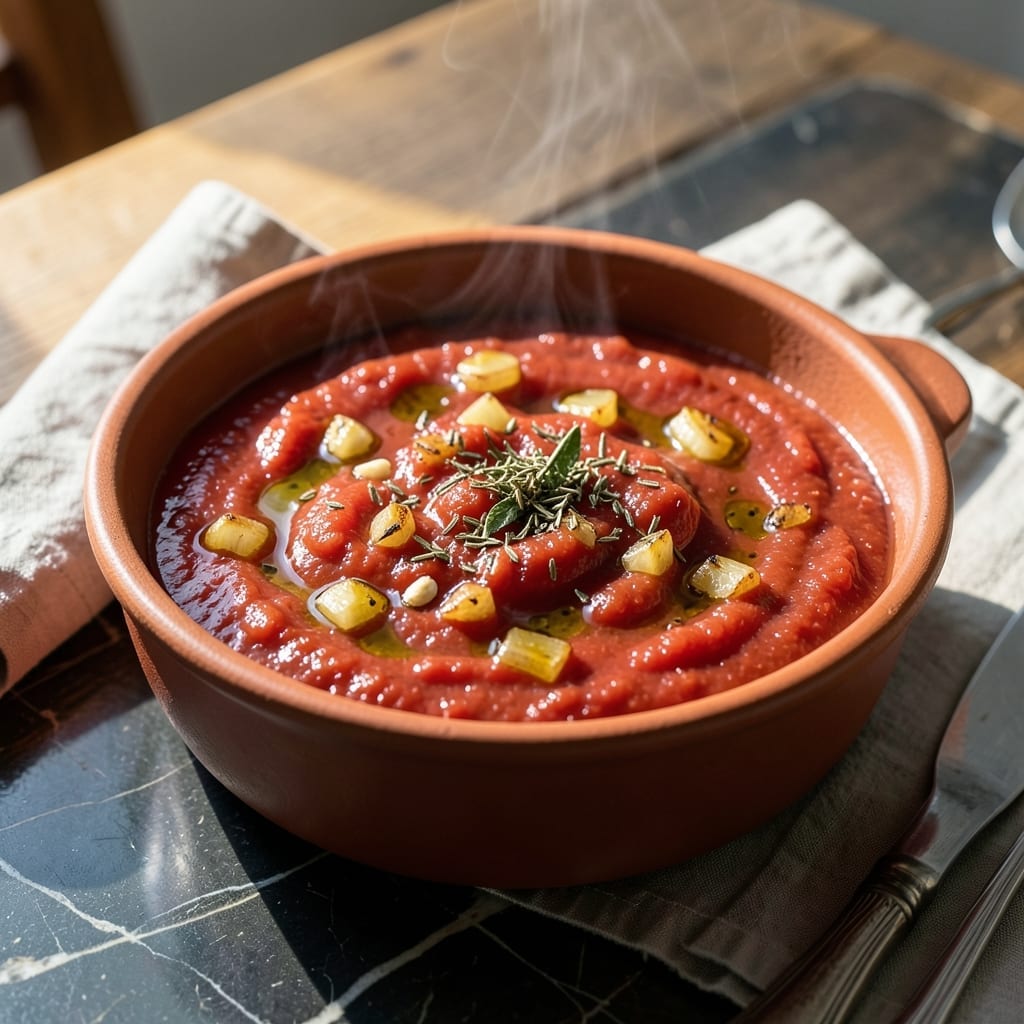
Tomato puree transforms simple ingredients into a rich, hearty base for countless dishes. I discovered its potential while perfecting my grandmother’s Sunday recipes, where it became the foundation for sauces that could elevate any meal.
This approach uses tomato puree to build depth and complexity without overwhelming other flavors. The puree simmers into a velvety consistency, creating a sauce that clings to pasta, vegetables, or proteins with every bite.
The result is a dish with layers of flavor—savory, slightly sweet, and perfectly balanced. It’s a technique I’ve tested repeatedly, ensuring it works in home kitchens everywhere.
Whether for a weeknight dinner or Sunday gathering, this method delivers consistent, satisfying results. Here’s how to make it.
Ingredients for Recipe with Tomato Puree
A handful of pantry staples builds the foundation for this velvety, rich sauce base.
| Ingredient | Amount | Notes |
|---|---|---|
| Tomato Puree 🍅 | 2 cups | Canned, unsalted preferred |
| Yellow Onion 🧅 | 1 whole | Finely diced for even cooking |
| Garlic Cloves 🧄 | 4 cloves | Minced for maximum flavor |
| Extra-Virgin Olive Oil 🫒 | ¼ cup | High quality for depth |
| Dried Oregano 🌿 | 1 tsp | Mediterranean variety preferred |
| Dried Basil 🍃 | 1 tsp | Crushed between fingers |
| Red Pepper Flakes 🌶️ | ½ tsp | Adjust for heat preference |
| Bay Leaf 🍃 | 1 whole | Removed before serving |
| Salt 🧂 | 1 tsp | Diamond Crystal kosher preferred |
| Black Pepper 🌶️ | ½ tsp | Freshly ground for best results |
| Granulated Sugar 🍚 | ½ tsp | Balances acidity naturally |
| Beef Stock 🥩 | 1 cup | Low-sodium for control |
| Heavy Cream 🥛 | ½ cup | Full-fat for richness |
| Fresh Parsley 🌿 | ¼ cup | Chopped for garnish |
The tomato puree is critical here. San Marzano brands offer superior depth and sweetness, but most grocery store options work well. Opt for canned unsalted puree—fresh tomatoes lack the concentrated flavor needed for this base. For the beef stock, low-sodium versions from Whole Foods or Trader Joe’s allow precise seasoning control. Fresh herbs can be found at farmers markets in peak season.
No beef stock? Mushroom broth at equal volume provides umami depth. Fresh basil can replace dried at a 3:1 ratio, though dried offers consistency. For a vegetarian version, omit the heavy cream or use coconut milk instead. The sugar isn’t mandatory, but it tames the acidity beautifully (especially with canned tomatoes).
This sauce base keeps for 5 days refrigerated in an airtight container. Freeze for up to 3 months in portioned containers. The flavors deepen with time, making it ideal for meal prep. Always bring to a boil before adding to hot dishes.
Why You’ll Love This Recipe
- One Pot Wonder: I just dump the tomato puree, sautéed onion, and garlic in a pan with olive oil and oregano—minimal cleanup, maximum flavor.
- Rich and Aromatic: The garlic and oregano bloom in the olive oil, turning the tomato puree into something deep and crave-worthy.
- Meal Prep Star: Honestly, it’s my base for pasta, stews, or even pizza sauce—so versatile I make a double batch every Sunday.
- Budget Stretcher: A can of tomato puree and a few pantry staples feed my family for days without breaking the bank.
Step-by-Step Instructions for a Rich Tomato Puree Sauce Base
Master this foundational technique to create a velvety, deeply flavored sauce that elevates any dish.
Step 1: Sauté the Aromatic Foundation
Heat the 0.25 cup Extra-Virgin Olive Oil in a heavy-bottomed pot over medium heat. Add the finely diced Yellow Onion and cook for 6-8 minutes until translucent and just beginning to caramelize at the edges.
This slow cooking process develops the onion’s natural sweetness, which will balance the acidity of the Tomato Puree. Stir occasionally to prevent browning, and reduce heat if the onion starts to color too quickly. The goal is soft, fragrant onion without any bitter burnt edges.
Step 2: Build the Flavor Base with Garlic and Spices
Add the minced Garlic Cloves to the pot along with the Dried Oregano, Dried Basil, Red Pepper Flakes, Salt, Black Pepper, and Granulated Sugar. Cook for 1-2 minutes until the garlic releases its aroma but doesn’t brown.
The sugar here serves a crucial purpose—it counters the natural acidity of the tomatoes while enhancing their depth. Crush the Dried Basil between your fingers as you add it to release its essential oils. The mixture should be fragrant enough to fill your kitchen with a warm, herbal scent.
Step 3: Incorporate Tomato Puree and Simmer
Pour in the 2 cups Tomato Puree and 1 cup Beef Stock, then add the Bay Leaf. Stir well to combine all ingredients, scraping up any browned bits from the bottom of the pot. Bring the mixture to a gentle simmer over medium-high heat.
Once simmering, reduce heat to low and let it cook uncovered for 20-25 minutes. You’ll notice the sauce darken slightly and thicken as the liquids reduce. Stir occasionally to prevent sticking, and watch for small bubbles breaking the surface consistently—that’s your perfect simmer.
Step 4: Finish with Cream and Final Adjustments
Remove the pot from heat and discard the Bay Leaf. Stir in the 0.5 cup Heavy Cream until fully incorporated. The cream adds a luxurious silkiness to the sauce while mellowing any remaining sharpness from the tomatoes.
Return the pot to low heat and warm through for 3-5 minutes, stirring constantly. Taste and adjust seasoning if needed, though the initial measurements should provide perfect balance. The sauce should coat the back of a spoon with a rich, velvety texture.
Step 5: Rest and Garnish Before Serving
Remove the sauce from heat and let it rest for 5-10 minutes to allow the flavors to meld completely. This brief rest period lets the sauce reach its full potential, with all ingredients harmonizing beautifully.
Just before serving, stir in the 0.25 cup Fresh Parsley. The bright, herbal notes of the parsley provide a fresh contrast to the rich, deep flavors of the sauce. Use this as a base for pasta, braises, or any dish requiring a robust tomato foundation.
Pro Tips For Making Recipe With Tomato Puree
- Bloom the Oregano: Toast the dried oregano in the olive oil for 30 seconds before adding onions—it wakes up the flavor and makes the whole dish taste fresher.
- Sweat the Onions: Cook the yellow onions low and slow in the olive oil until translucent, about 8-10 minutes, to build a sweet base that balances the acidity of the tomato puree.
- Skip Raw Garlic: I learned this the hard way—adding minced garlic too early burns it and turns the sauce bitter. Stir it in after the onions soften, just 30 seconds before the tomato puree.
- Reduce the Puree: Simmer the tomato puree for 10-15 minutes to thicken it slightly and deepen the flavor, or your sauce will taste flat and watery.
Common Mistakes When Making This Recipe
Overcooking the Onion
Burnt onion adds bitterness that ruins the sauce balance. I cook the Yellow Onion on medium heat for 6-8 minutes until just translucent, never browned. Stir frequently and reduce heat if it starts to color too fast. 💡
Skipping the Sugar
Canned Tomato Puree often needs acidity balancing. The ½ tsp Granulated Sugar isn’t optional—it enhances the tomatoes’ natural sweetness. I’ve tested versions without it, and the difference is noticeable.
Boiling Too Vigorous
A rolling boil breaks the sauce and makes it thin. I maintain a gentle simmer with small bubbles breaking the surface. This takes 20-25 minutes on low heat for the perfect velvety texture.
Adding Cream Too Early
Introducing Heavy Cream before the sauce reduces risks curdling. I always add it after removing from heat, then return to low heat for 3-5 minutes. This prevents separation and ensures a smooth finish.
Neglecting to Rest
Serving immediately misses the flavor melding opportunity. I let the sauce rest 5-10 minutes off heat before adding the Fresh Parsley. This brief pause makes all the difference.
Using Wrong Pan
Thin pans cause hot spots and sticking. I use a heavy-bottomed pot for even heat distribution. This prevents burning and ensures the Bay Leaf infuses properly during the 20-25 minute simmer. ✨
Nutrition Facts
Frequently Asked Questions
Can I substitute tomato paste for puree?
Yes, but use ⅔ cup tomato paste plus 1⅓ cups water to match the volume. The flavor will be more concentrated, so taste and adjust seasoning.
How do I make this sauce vegetarian?
Replace beef stock with vegetable broth and swap heavy cream for coconut milk. The flavor profile stays rich and balanced.
What dishes pair best with this sauce?
Use it as a base for pasta, braised meats, or as a topping for roasted vegetables. It also works beautifully in lasagna or as a pizza sauce.
How long can I store leftover sauce?
Keep in an airtight container in the fridge for up to 5 days, or freeze for 3 months. Flavors deepen with time.

- BBQ Chicken Bowl Recipe Rice: Smoky Sweetness Over Fluffy Grains - September 28, 2026
- Beef Cutlet Recipe Ideas: Crispy Breaded Patties With Bold Seasonings - September 28, 2026
- Bluefin Tuna Recipe Ideas: Sushi-Grade Seared and Sesame-Crusted - September 28, 2026