
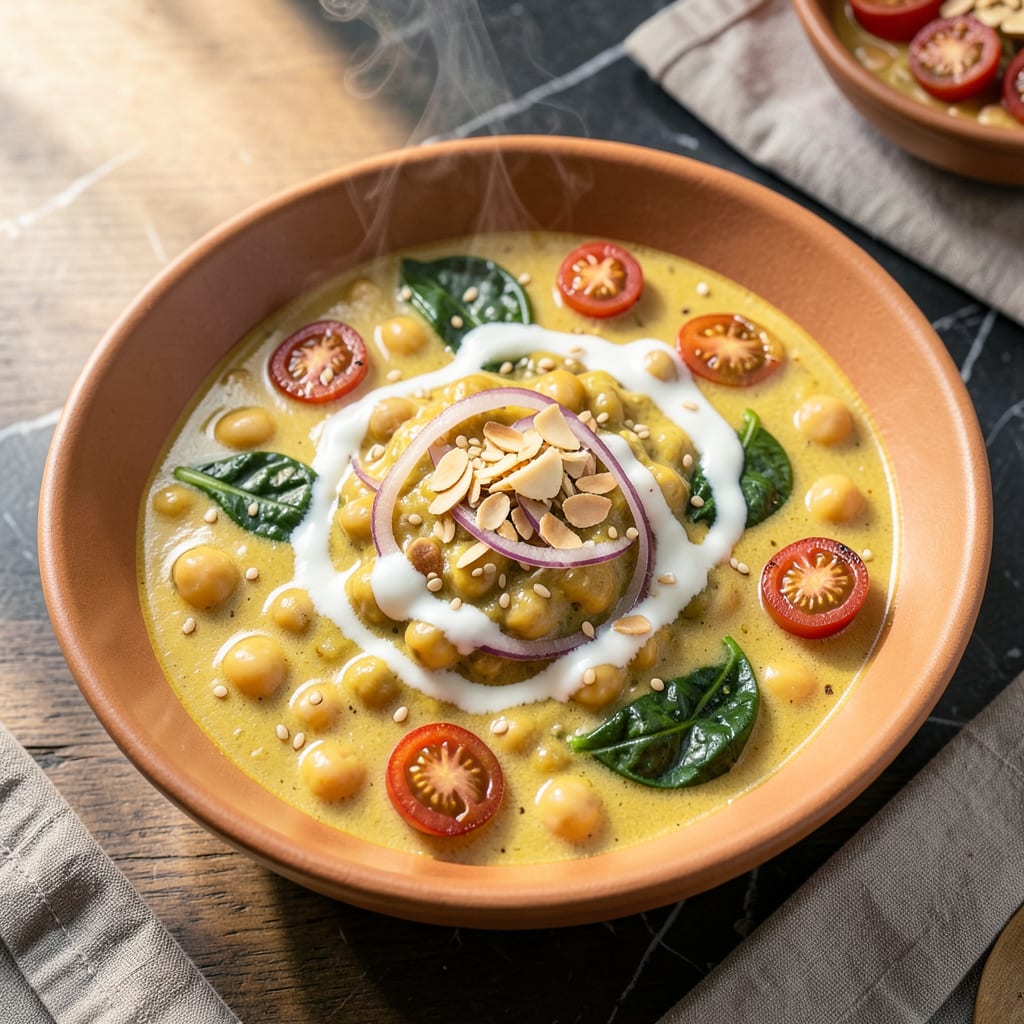
Recipe words are precise culinary terms that define cooking techniques, measurements, and preparation methods. Understanding them ensures accurate dish execution, from sauté (quick frying) to julienne (thin strip cuts) and al dente (firm pasta texture).
These terms act as a universal language that connects cooks worldwide, ensuring consistency in every kitchen. 🔥 When a recipe calls for folding egg whites instead of stirring, it’s about preserving air bubbles for a lighter texture—not just mixing. Even small details like mincing versus dicing garlic can transform a dish’s flavor profile, proving why precision matters.
What’s fascinating is how these words often carry cultural roots—like mirepoix tracing back to French cuisine or umami from Japanese culinary traditions. Mastering them doesn’t just improve your cooking; it deepens your appreciation for the art behind every recipe. ✨
💡 In This Article
- Decoding Essential Culinary Terms in Recipes
- How to Use Recipe Words Like a Pro Chef
Decoding Essential Culinary Terms in Recipes
Recipe words aren’t just fancy jargon—they’re precise instructions that transform raw ingredients into masterpieces. Take braising, for example: this French technique (braiser) combines searing meat at high heat (450°F) with slow simmering in liquid (2-3 hours at 300°F).
The initial browning creates the Maillard reaction (those rich, caramelized flavors), while the gentle liquid bath breaks down collagen into silky gelatin. 🔥
The difference between folding and stirring is all about texture. Folding uses a spatula to gently turn ingredients from the bottom up, preserving air bubbles in whipped cream or egg whites. Stirring, meanwhile, is more aggressive—ideal for sauces or batters where uniformity matters.
Try folding chopped nuts into meringue versus stirring them into pancake batter, and you’ll taste the dramatic difference. ✨
Some terms reveal their secrets through measurements. Mirepoix isn’t just “chopped veggies”—it’s a specific 2:1:1 ratio of onions to carrots to celery, diced to 1/4-inch pieces. This precise combination creates a flavor base that’s sweeter and more aromatic than random vegetable mixes.
Similarly, deglazing isn’t just adding liquid to a pan; it’s using 1/4-1/2 cup of wine or stock to lift those flavorful browned bits (fond) at exactly medium-high heat. 💫
Texture terms often confuse home cooks. Al dente pasta should offer slight resistance when bitten—imagine the tenderness of a ripe peach pit. For vegetables, blanching (boiling 1-3 minutes then shocking in ice water) preserves crispness while brightening color. The science? Rapid cooling halts enzyme activity that causes mushiness.
Compare this to parboiling, where vegetables cook 5-7 minutes until just tender—perfect for dishes where they’ll cook further. ⚡
Even cutting terms carry hidden precision. Julienne means 1/8 x 1/8 x 2-inch sticks (think matchstick carrots), while brunoise is finer at 1/16-inch cubes. These aren’t arbitrary sizes—they ensure even cooking. A julienne cut exposes more surface area for quick stir-frying, while brunoise‘s tiny pieces melt into sauces.
Pro tip: Use a mandoline for perfect julienne cuts every time. 🌟
Temperature words often trip people up. Simmering means small bubbles breaking the surface at 180-205°F, while a rolling boil hits 212°F with vigorous bubbling. The 25°F difference can mean the difference between tender poached eggs and rubbery ones. Similarly, room temperature in baking isn’t vague—it’s specifically 68-72°F, critical for proper butter creaming and egg incorporation.
💛
What most don’t realize is how these terms interconnect. The roux you make (equal parts fat and flour cooked 2-5 minutes) determines your sauce’s body—white roux (no color) for béchamel, blonde roux (5-7 minutes) for velouté, and brown roux (10-15 minutes) for gravy.
Each stage develops different flavor compounds, proving why precise timing and terminology matter in every recipe.

- BBQ Sausage Recipe Oven: Smoky Depth Without the Grill - September 28, 2026
- BBQ Chicken Bowl Recipe Rice: Smoky Sweetness Over Fluffy Grains - September 28, 2026
- Beef Cutlet Recipe Ideas: Crispy Breaded Patties With Bold Seasonings - September 28, 2026