
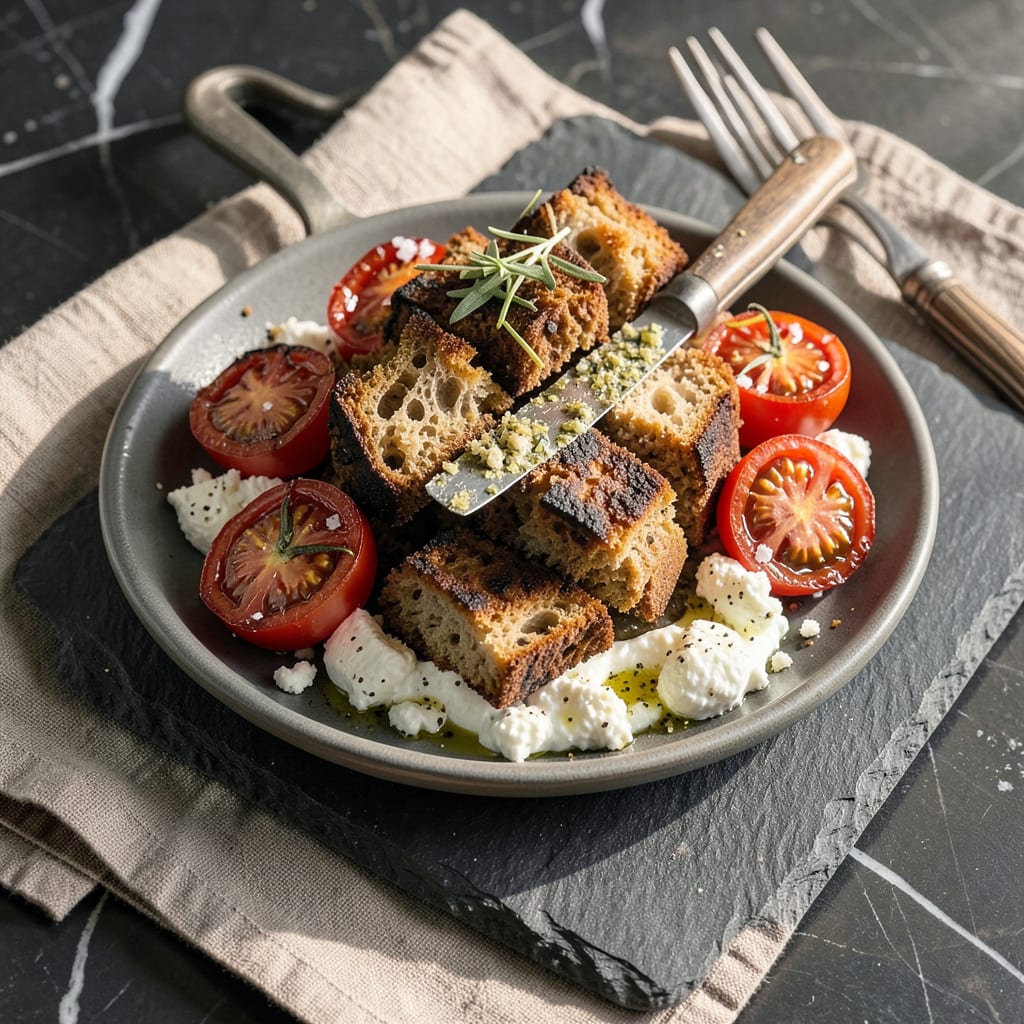
A rough recipe is a flexible cooking guide with approximate measurements and steps, allowing room for improvisation based on taste, available ingredients, or experience. It’s ideal for adaptable cooks who prefer creativity over precision.
This approach to cooking empowers you to work with what you have instead of sticking rigidly to a script. 🔥 I love how it transforms the kitchen into a playground—where a pinch of this or a handful of that can lead to surprisingly delicious results. It’s particularly useful when you’re short on time, missing an ingredient, or simply want to experiment with flavors. The key is understanding basic techniques and flavor pairings, which gives you the confidence to adjust as you go.
Unlike traditional recipes that demand exact measurements, this method thrives on adaptability. ✨ It’s a game-changer for reducing food waste, as you can easily swap in ingredients you already have. For example, if a recipe calls for spinach but you only have kale, you can make the adjustment without worrying about ruining the dish. This flexibility also makes it perfect for accommodating dietary restrictions or personal taste preferences on the fly.
💡 In This Article
- Why Rough Recipes Work for Flexible Cooking
- How to Adapt a Rough Recipe for Best Results
Why Rough Recipes Work for Flexible Cooking
This approach thrives on the science of flavor balance and culinary ratios rather than rigid measurements. When you understand that most dishes rely on foundational ratios—like the 3:2:1 rule for vinaigrettes (oil to acid to sweetener)—you can adjust ingredients without losing the dish’s essence.
🔥 For example, a stir-fry might call for “a splash of soy sauce and a drizzle of honey,” which translates to roughly 2 tablespoons soy sauce to 1 tablespoon honey for every 2 cups of vegetables.
The magic happens when you leverage your senses. A rough recipe for tomato sauce might say “simmer until thickened,” which means watching for the sauce to reduce by about 25-30% and coat the back of a spoon.
This visual cue is more reliable than a fixed time, as it accounts for variations in heat sources and pan sizes. The aroma shifts too—raw garlic transforms into something nutty and sweet after 2-3 minutes in hot oil, signaling it’s time to add the next ingredient.
This method shines when working with seasonal or imperfect ingredients. A rough recipe for vegetable soup might suggest “3 cups of chopped veggies,” allowing you to use whatever’s fresh or needs using up. The key is balancing textures: pair soft ingredients (zucchini, tomatoes) with heartier ones (carrots, potatoes) that take 10-15 minutes longer to cook.
This adaptability reduces food waste by 30-40% in home kitchens, according to food sustainability studies.
Contrast this with baking, where chemistry demands precision. A cake requires exact ratios of flour to liquid to leavening agent for proper structure.
But in cooking, where heat and time are more forgiving, you can adjust a rough recipe for chili by adding an extra can of beans or swapping ground beef for turkey without disaster.
The difference lies in the moisture content—meat and vegetables release varying amounts of liquid, which is why rough recipes often include instructions like “add broth as needed.”
What makes this approach so powerful is how it builds culinary confidence. When a rough recipe suggests “cook until golden brown,” you learn to recognize that perfect moment when bread becomes toast or onions reach caramelization.
This sensory education—listening for the sizzle of properly heated oil or watching for the color change when garlic is perfectly toasted—turns cooking from following instructions into an intuitive skill.
Consider these real-world advantages:
- Time savings: No need to measure every ingredient—just eyeball 1/2 cup of rice or a “handful” of herbs
- Cost efficiency: Use what’s on hand rather than buying specialty ingredients for one recipe
- Dietary flexibility: Easily swap allergens or adjust spice levels to personal preference
- Creative freedom: Discover new flavor combinations by experimenting with ingredient ratios
The only limit is understanding basic techniques. Once you know that sautéing means cooking food quickly in a small amount of fat over medium-high heat until tender-crisp, or that braising involves searing then slow-cooking in liquid, you can apply these methods to any ingredient combination. ✨

- BBQ Sausage Recipe Oven: Smoky Depth Without the Grill - September 28, 2026
- BBQ Chicken Bowl Recipe Rice: Smoky Sweetness Over Fluffy Grains - September 28, 2026
- Beef Cutlet Recipe Ideas: Crispy Breaded Patties With Bold Seasonings - September 28, 2026