
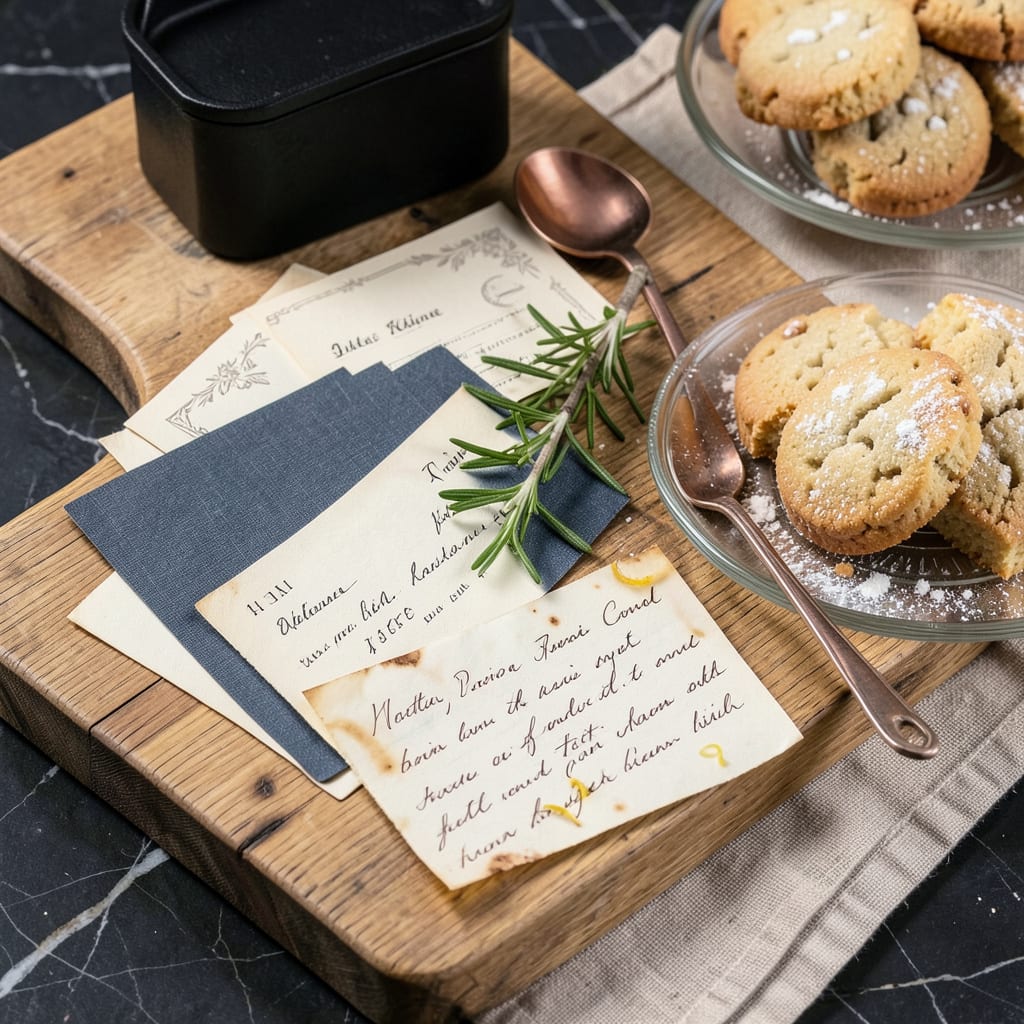
Standard recipe cards are typically 3×5 inches or 4×6 inches, with the smaller size being most common for home use. Larger 5×7 inch cards work well for detailed recipes or professional kitchens.
I’ve found that these dimensions aren’t arbitrary—they’re designed to balance practicality with readability. The 3×5 inch format fits perfectly in standard card boxes and most recipe organizers, making it ideal for quick-reference dishes. Meanwhile, 4×6 inch cards offer extra space for notes or ingredient substitutions without becoming cumbersome. What’s particularly useful about these sizes is their compatibility with common kitchen storage systems, from vintage index boxes to modern magnetic boards. ✨
For those who love elaborate recipes or need to include cooking techniques, the 5×7 inch option provides ample room for step-by-step instructions and even small illustrations. This larger format has become increasingly popular in professional settings where precision matters. The key is matching the card size to your specific needs—whether you’re jotting down grandma’s secret cookie recipe or documenting complex pastry techniques. 💫
💡 In This Article
- Why Standard Recipe Card Sizes Matter for Organization
- Choosing the Right Recipe Card Size for Printing and Storage
Why Standard Recipe Card Sizes Matter for Organization
The dimensions of recipe cards evolved from practical kitchen needs. The 3×5 inch size originated from early 20th-century index card systems designed for business records, later adapted for home kitchens. This compact format fits perfectly in standard card boxes (which typically measure 5.5×3.5 inches internally) and allows for efficient alphabetical organization.
The aspect ratio also matches how most people naturally write recipes—vertical ingredient lists with horizontal instructions below.
Readability studies show that 4×6 inch cards provide optimal line length for recipe text. Research from typography experts indicates that lines containing 45-75 characters (about 8-12 words) are easiest to read. This size accommodates that sweet spot while leaving room for notes or modifications.
The extra width also prevents ingredient lists from becoming too compressed, which is why many professional chefs prefer this format for complex dishes with multiple components.
What most home cooks don’t realize is how card size affects recipe layout efficiency. A 3×5 inch card comfortably holds a standard recipe with 8-10 ingredients and 5-6 preparation steps in readable 12pt font. The 4×6 inch version expands that capacity to 12-15 ingredients and 8-10 steps—perfect for baking recipes with precise measurements.
This difference explains why baking enthusiasts often prefer the larger format while quick meal recipes thrive on the smaller cards. 🔥
Historical kitchen standards played a role too. Early recipe card manufacturers standardized on these sizes because they matched common kitchen drawer dimensions and could be easily filed in recipe boxes. The 5×7 inch format emerged later as culinary education expanded, requiring space for detailed techniques and illustrations.
This size became the gold standard in professional kitchens where recipes might include plating instructions or multiple preparation methods.
Storage compatibility remains the most practical consideration. Standard card boxes, binders with recipe card sleeves, and even many digital scanning apps are designed around these dimensions. The 3×5 inch cards fit in most wallet-sized photo albums, while 4×6 inch cards work with standard photo storage solutions.
This interoperability explains why these sizes have persisted despite digital alternatives—physical recipe cards still need to fit in real-world kitchen storage systems. ✨
There’s also an ergonomic factor at play. The 3×5 inch size fits comfortably in one hand while cooking, allowing you to reference it without putting down your utensils. Larger cards require two hands or a stand, which is why professional kitchens often use 5×7 inch cards mounted on clipboards or displayed on recipe stands.
This practical consideration influences which size works best for different cooking environments. 💫
What’s particularly clever about these standardized sizes is how they accommodate different writing styles. Left-handed cooks often prefer the 4×6 inch format as it provides more space to write without smudging. Right-handed cooks can work efficiently with either size, but the 3×5 inch version allows for quicker note-taking during recipe testing.
This versatility has contributed to the enduring popularity of these specific dimensions in kitchens worldwide. ⚡

- BBQ Sausage Recipe Oven: Smoky Depth Without the Grill - September 28, 2026
- BBQ Chicken Bowl Recipe Rice: Smoky Sweetness Over Fluffy Grains - September 28, 2026
- Beef Cutlet Recipe Ideas: Crispy Breaded Patties With Bold Seasonings - September 28, 2026