
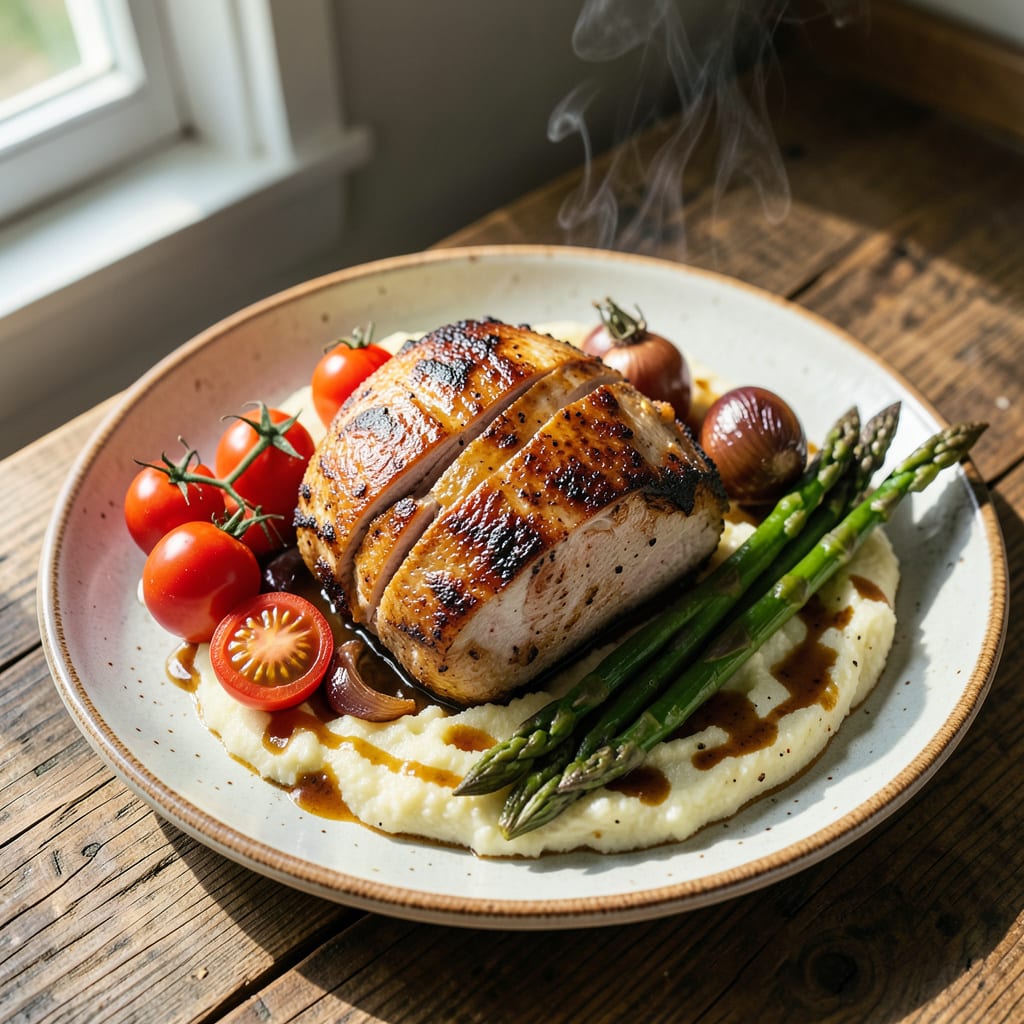
To recreate a secret family recipe, start by gathering memories of flavors, textures, and techniques from relatives. Document every detail, then test small batches while adjusting ingredients until the taste matches the original. Patience and collaboration are key to preserving its authenticity.
What makes these recipes so challenging to replicate is their reliance on unwritten knowledge—the kind passed down through demonstrations rather than measurements. I’ve found that the most authentic recreations come from observing how family members prepare the dish, noting their instincts for adjustments like “a pinch more salt” or “cook until it smells right.” 🔥
The process becomes a detective work of sensory memory, where childhood tastes and kitchen aromas serve as your guide. This is why I recommend recording conversations with relatives—their casual comments often reveal crucial techniques that never made it into written instructions. The goal isn’t just to match flavors but to capture the emotional connection that makes these dishes special. ✨
💡 In This Article
- Decoding the Hidden Techniques in Family Recipes
- Step-by-Step Guide to Documenting and Testing Family Recipes
Decoding the Hidden Techniques in Family Recipes
The magic of heirloom dishes often lies in what’s never written down. Grandma’s “pinch of this” or Uncle Joe’s “until it looks right” represent generations of instinctive adjustments based on sensory cues rather than precise measurements.
These techniques develop through years of repetition—like how a cast iron skillet’s seasoning builds flavor complexity over decades of use, or how wooden spoons absorb and transfer subtle aromas that stainless steel can’t replicate. 🔥
Consider how cultural traditions shape preparation methods. A Southern family’s cornbread might require white cornmeal and buttermilk at room temperature, while a Northern version uses yellow cornmeal and regular milk. The difference comes from regional crop availability and historical preservation methods.
Even cooking vessels matter: clay pots distribute heat differently than modern Dutch ovens, affecting how flavors develop during slow cooking. I’ve seen recipes fail simply because someone used an electric stove instead of the original wood-fired hearth. ✨
The science behind these techniques often involves Maillard reactions and caramelization that occur at specific temperature ranges. That “perfect golden brown” crust on Grandpa’s meatloaf isn’t just about oven temperature—it’s about the protein-to-sugar ratio in his special breadcrumb mixture and how long he lets the pan preheat.
These chemical processes create hundreds of flavor compounds that can’t be replicated by following written instructions alone. The human element—like how vigorously someone stirs or how they layer ingredients—creates micro-variations that become signature traits. 💫
Hand-measured ratios represent another layer of hidden complexity. A “cup” of flour in 1950 weighed differently than today’s standardized measurements due to humidity levels and sifting techniques. Family recipes often account for these variables through generational adjustments—like adding an extra tablespoon of liquid in dry climates or reducing sugar when using particularly sweet seasonal fruit.
These adaptations become encoded in the family’s muscle memory but rarely make it into written recipes. 🌟
Even the order of operations contains unseen wisdom. The 30-second pause between adding wet and dry ingredients in Great-Aunt Martha’s cake recipe wasn’t arbitrary—it allowed gluten strands to relax, creating a tender crumb. Similarly, the specific sequence of spice additions in a curry recipe might be designed to bloom volatile oils at different temperature stages.
These timing nuances often get lost when recipes are simplified for modern cookbooks. ⚡
Cookware choice plays a surprisingly significant role. Copper pots conduct heat five times faster than stainless steel, creating different caramelization patterns. The thin aluminum pans many grandmothers used heat up quickly but cool down fast, requiring constant temperature adjustments that modern ovens don’t need.
Even the shape of baking dishes affects heat distribution—those odd-shaped ceramic dishes weren’t just for aesthetics; they created specific browning patterns that became part of the dish’s identity. 💛
The most challenging aspect to replicate is often the microbiome of family kitchens. Decades-old sourdough starters, heirloom yeast strains, or even the specific bacteria in a family’s fermenting crocks contribute flavors that can’t be replicated with store-bought cultures.
These living components evolve with each generation, making them impossible to fully document but essential to the dish’s authentic character. The true secret ingredient is often time itself—both in the preparation and in the generations of refinement. 💫

- BBQ Sausage Recipe Oven: Smoky Depth Without the Grill - September 28, 2026
- BBQ Chicken Bowl Recipe Rice: Smoky Sweetness Over Fluffy Grains - September 28, 2026
- Beef Cutlet Recipe Ideas: Crispy Breaded Patties With Bold Seasonings - September 28, 2026