
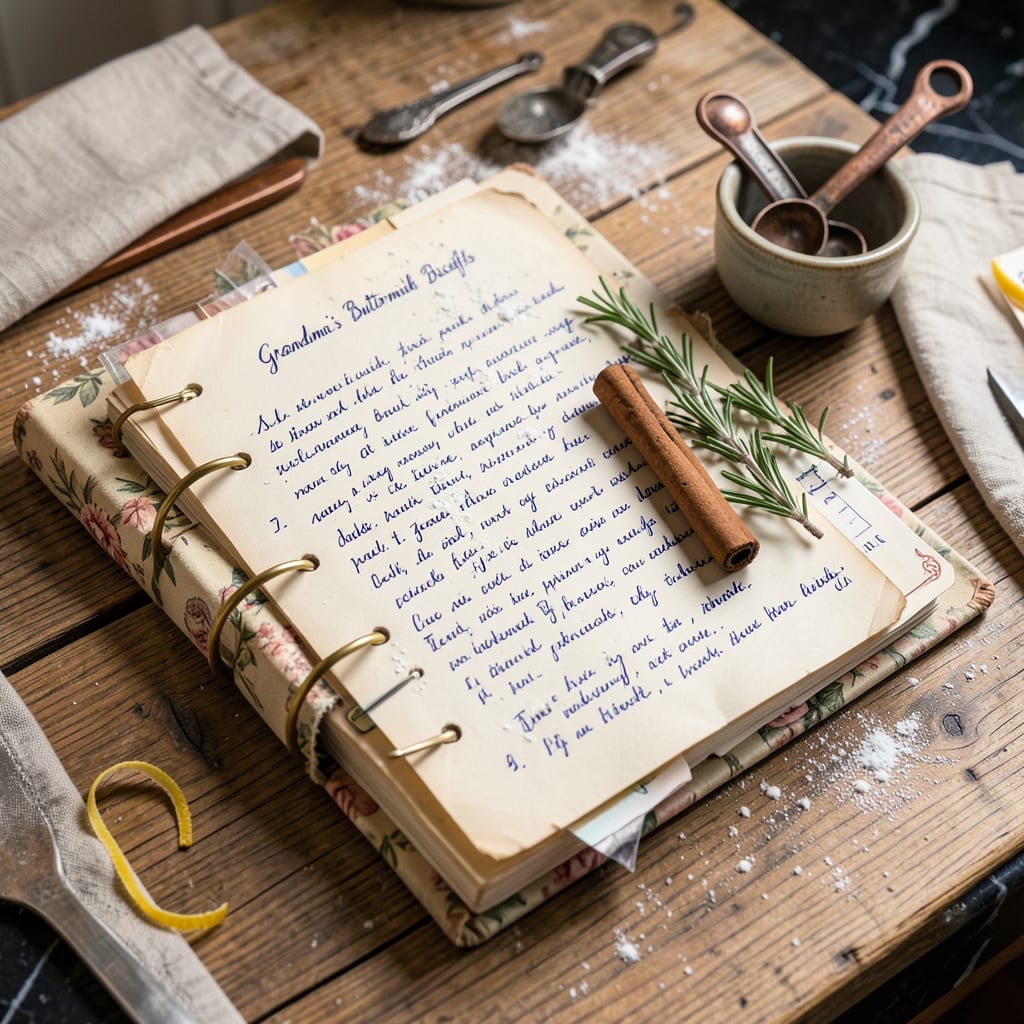
A small recipe binder is a compact, portable solution for organizing printed recipes, typically using 3-ring binders with dividers, sheet protectors, and customizable tabs. Ideal for home cooks with limited space or those who prefer physical copies over digital storage.
I love how these binders transform kitchen chaos into organized simplicity. 🔥 The real magic happens when you customize the system—think color-coded tabs for different cuisines or clear sleeves that protect your grandmother’s handwritten cookie recipe from spills. Unlike digital apps, a physical binder lets you flip through pages while cooking, making it perfect for those who prefer tactile interaction with their recipes.
What sets small binders apart is their adaptability to any kitchen space. ✨ I’ve seen them tucked into narrow gaps between appliances or carried to potlucks for easy reference. The key is choosing the right size—too large and it becomes cumbersome, too small and you’ll struggle with readability. A well-designed binder grows with your collection, allowing you to add new favorites without starting from scratch.
💡 In This Article
- Key Features of an Efficient Small Recipe Binder
- Step-by-Step Guide to Printing and Organizing Recipes
Key Features of an Efficient Small Recipe Binder
The secret to a functional small recipe binder lies in its dimensions and construction. The sweet spot for size typically ranges from 4×6 inches (perfect for single-serving recipes) to 8.5×11 inches (ideal for full-page layouts).
Binders in this range balance portability with readability—small enough to tuck into a kitchen drawer yet large enough for 12-point font without squinting. The ring mechanism matters too: 1-inch rings hold about 175 sheets, while 1.5-inch rings accommodate up to 250 recipes. 🔥
Material durability separates mediocre binders from exceptional ones. Look for polypropylene or heavy-duty vinyl covers that resist grease splatters and wipe clean instantly. The spine should feature reinforced stitching to prevent cracking after repeated opening. Inside, acid-free paper (pH 7.0-8.5) prevents yellowing over time, while archival-quality sheet protectors (0.005-inch thickness) shield against liquid damage.
These materials add minimal bulk—typically just 0.2 inches to the binder’s total thickness—while providing maximum protection.
Organization components transform a simple binder into a powerhouse system. Customizable tab dividers (with at least 8-12 pockets) allow categorization by meal type, cuisine, or dietary needs. Printable templates with 0.5-inch margins ensure recipes fit neatly in protectors. The real game-changer? Removable adhesive pockets for storing loose clippings or handwritten notes.
This modular approach lets you rearrange sections as your cooking style evolves, unlike fixed digital folders that require complete reorganization. ✨
Space efficiency becomes apparent when comparing small binders to alternatives. A 6×9-inch binder with 0.75-inch rings occupies just 18 cubic inches of space—about the size of a paperback book—yet holds 100+ recipes. That’s 80% less volume than a standard 3-inch cookbook while offering complete customization.
The portability factor shines when you’re meal prepping: a small binder fits in most tote bags, unlike bulky recipe boxes or oversized binders that require dedicated shelf space.
Temperature and humidity resistance often get overlooked but prove crucial in kitchen environments. Quality binders maintain structural integrity between 40-140°F, with pages that won’t warp from steam exposure. The best models feature moisture-wicking interiors that prevent condensation buildup when moving between temperature zones (like fridge to countertop).
This practical design consideration means your binder stays functional whether you’re baking in a 350°F kitchen or storing it in a cool pantry. 💫
Consider the tactile experience that digital alternatives can’t match. The weight of 80 lb cardstock pages (about 0.008 inches thick) provides satisfying heft when flipping through recipes. Textured tabs offer grip even with flour-dusted fingers, while rounded corners prevent paper cuts during hurried meal prep.
These sensory details create an intuitive cooking companion that responds to your natural movements in the kitchen, unlike swipe-dependent apps that require clean, dry hands.
The longevity factor makes small binders remarkably cost-effective. With proper care, a well-constructed binder lasts 10-15 years—outperforming most digital devices that become obsolete every 3-5 years. The ability to replace individual components (like worn dividers or damaged protectors) extends its lifespan indefinitely.
This sustainability aspect, combined with the $15-$40 initial investment, delivers exceptional value compared to subscription-based recipe apps or single-use printed cookbooks. ⚡

- BBQ Sausage Recipe Oven: Smoky Depth Without the Grill - September 28, 2026
- BBQ Chicken Bowl Recipe Rice: Smoky Sweetness Over Fluffy Grains - September 28, 2026
- Beef Cutlet Recipe Ideas: Crispy Breaded Patties With Bold Seasonings - September 28, 2026