
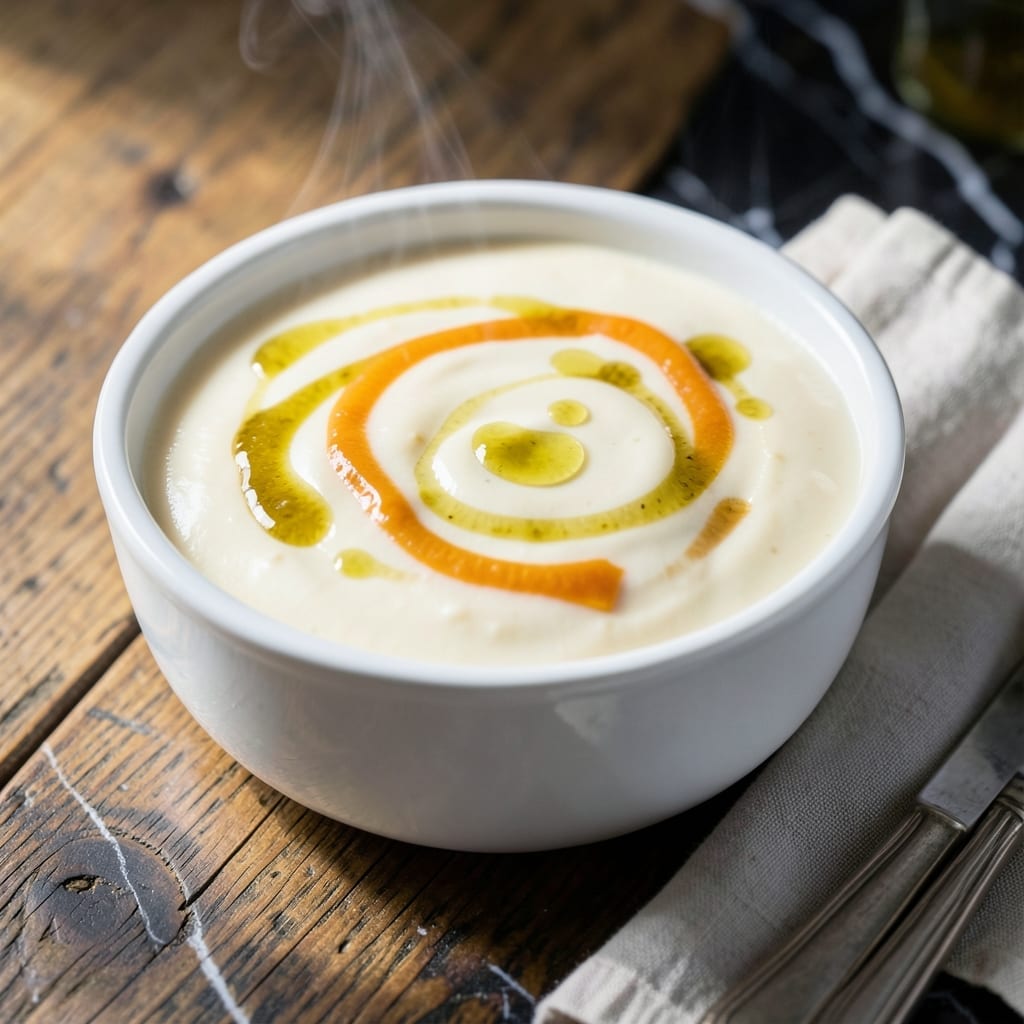
This professional-grade cheese sauce revolutionizes home cooking with its ultra-smooth texture and perfect emulsification. Sodium citrate creates a stable base that prevents separation, even when reheated.
The process is straightforward yet precise. A small amount of this food additive transforms melty cheese into a velvety sauce that clings to pasta, vegetables, or nachos without breaking or turning grainy.
What you get is a restaurant-quality sauce that maintains its creamy consistency whether used immediately or stored for later. The neutral flavor of sodium citrate lets the cheese shine through.
Ideal for mac and cheese, queso dip, or any dish requiring a flawless cheese sauce. This method delivers consistent, professional results every time.
Ingredients for Sodium Citrate Cheese Sauce
Nine ingredients transform into restaurant-quality cheese sauce with flawless emulsification and ultra-smooth texture.
| Ingredient | Amount | Notes |
|---|---|---|
| Sodium Citrate 🧂 | 1 tbsp | Food-grade emulsifying salt |
| Sharp Cheddar Cheese 🧀 | 8 oz | Block, freshly grated |
| American Cheese 🧀 | 4 oz | Melts smoothly for creaminess |
| Whole Milk 🥛 | 1 cup | Full-fat for rich texture |
| Unsalted Butter 🧈 | 2 tbsp | For velvety finish |
| Dijon Mustard 🟡 | 1 tsp | Enhances cheese flavor depth |
| White Vinegar 💧 | ½ tsp | Balances richness |
| Kosher Salt 🧂 | ¼ tsp | Adjust to taste |
| Ground White Pepper 🌶️ | 0.125 tsp | Subtle heat without color |
Sodium citrate is non-negotiable here—Modernist Pantry or Amazon are reliable sources. The cheddar must be block cheese grated fresh; pre-shredded contains anti-caking agents that disrupt emulsification. American cheese (like Land O’Lakes) provides the melt stability that natural cheeses lack. Use whole milk for optimal fat content; lower-fat versions can cause graininess.
No sodium citrate? Skip this recipe—substitutes won’t deliver the same stability. Swiss or Monterey Jack can replace cheddar at a 1:1 ratio. For a tangier sauce, add 1 additional tsp of Dijon. The butter can be omitted, but the sauce will be less rich. Heavy cream at half the milk volume yields an even more decadent result.
Sauce holds at 140°F for service or can be cooled and refrigerated for 5 days. Reheat gently with a splash of milk to restore creaminess. Freezing not recommended—texture separates upon thawing. Always store in airtight containers to prevent absorption of fridge odors.
Why You’ll Love This Recipe
- No-Fuss Melting: I just stir everything in one pot and the sodium citrate keeps the cheddar silky smooth—no clumps, no stress.
- Rich and Velvet: Sharp cheddar plus American cheese gives that deep, tangy flavor with a texture so creamy it coats the back of a spoon.
- Mac to Nachos: I’ve poured this over pasta, fries, and even steamed broccoli—honestly, it turns anything into comfort food.
- Keeps Like a Dream: Leftovers reheat in seconds and still taste fresh, so I double the batch and stash it for busy nights.
Step-by-Step Instructions for Sodium Citrate Cheese Sauce
A foolproof method for achieving the smoothest, most stable cheese sauce possible.
Step 1: Create the Sodium Citrate Emulsion Base
In a medium saucepan over medium heat, combine the 1 cup Whole Milk with the 1 tbsp Sodium Citrate. Whisk continuously as the mixture heats until the sodium citrate fully dissolves and the milk reaches 160°F.
This step is critical—the sodium citrate acts as an emulsifier that prevents the fat and protein in the cheese from separating. You’ll notice the milk takes on a slightly thicker consistency as the sodium citrate activates. Don’t allow the mixture to boil at this stage.
Step 2: Incorporate the Cheese Gradually
Reduce heat to low and begin adding the 8 oz Sharp Cheddar Cheese and 4 oz American Cheese in small handfuls, whisking constantly after each addition until fully melted before adding more. This gradual process ensures a stable emulsion.
The American cheese contains sodium citrate naturally, which complements the added emulsifier. The sharp cheddar provides depth of flavor while the American cheese guarantees that ultra-smooth texture. Continue until all cheese is incorporated and the sauce is completely homogeneous.
Step 3: Finish with Flavor Enhancers
Remove the saucepan from heat and stir in the 2 tbsp Unsalted Butter, 1 tsp Dijon Mustard, 0.5 tsp White Vinegar, 0.25 tsp Kosher Salt, and 0.125 tsp Ground White Pepper. The butter adds richness, while the mustard and vinegar balance the intensity of the cheese.
Taste and adjust seasoning if needed, though the sodium citrate may amplify saltiness slightly. The sauce should be glossy and coat the back of a spoon smoothly. If it appears too thick, you can gently reheat while whisking in a small amount of additional whole milk.
Step 4: Maintain and Serve the Perfect Consistency
This cheese sauce will hold its smooth texture at serving temperatures between 140-160°F. For best results, transfer to a heatproof bowl and serve immediately over pasta, vegetables, or as a dip. If you need to hold it longer, place the bowl over a pot of barely simmering water.
Unlike traditional cheese sauces, this sodium citrate version won’t break or turn grainy when reheated, making it ideal for buffets or family-style service. The emulsification is stable enough to withstand temperature fluctuations that would normally cause separation in conventional cheese sauces.
Pro Tips For Making Sodium Citrate Cheese Sauce
- Heat Milk First: Warm the milk to 180°F before adding sodium citrate—cold milk won’t dissolve the citrate properly, and you’ll end up with a grainy sauce.
- Shred Your Own: Skip pre-shredded cheese; the anti-caking agents mess with the melt. Grate sharp cheddar fresh for the smoothest sauce.
- Skip the Boil: Once the sauce thickens, remove it from heat immediately. Boiling after adding cheese breaks the emulsion and turns it oily.
- Add Butter Last: Stir in the unsalted butter at the very end for richness without disrupting the sodium citrate’s work. I learned this the hard way after a split batch.
Creative Variations of This sodium citrate cheese sauce
Spicy Chipotle Variation
Add 1-2 chipotle peppers in adobo (minced) along with 1 tsp adobo sauce when incorporating the cheese. This gives your sauce a smoky, spicy kick perfect for nachos or loaded fries. I love this version for game day snacks.
Herb-Infused Elegance
Stir in 2 tbsp chopped fresh chives and 1 tbsp fresh thyme leaves after removing from heat. The herbs brighten the richness and add a sophisticated touch, ideal for pairing with grilled vegetables or steak.
Beer Cheese Twist
Replace ½ cup of the whole milk with ½ cup reduced beer (I recommend a pale ale). Simmer the beer first to cook off alcohol, then proceed with the recipe. This adds malty depth that’s fantastic for pretzel dips. 🍺
Truffle Luxury
Finish with 1 tsp white truffle oil and 1 tbsp grated Parmesan for a gourmet upgrade. Drizzle the truffle oil just before serving to preserve its aroma. This variation elevates mac and cheese to restaurant quality.
Buffalo Style
Mix in ¼ cup hot sauce (like Frank’s RedHot) and 1 tsp garlic powder with the cheese. Serve with celery sticks and blue cheese crumbles for a crowd-pleasing dip. The sodium citrate keeps the sauce stable despite the acidity.
Smoked Gouda Swap
Replace 4 oz of cheddar with smoked Gouda for a deeper, wood-fired flavor. This pairs wonderfully with burgers or as a topping for baked potatoes. The smoke complements the creamy base beautifully.
Nutrition Facts
Frequently Asked Questions
Can I use pre-shredded cheese?
No, pre-shredded cheese contains anti-caking agents that prevent smooth melting. Always grate block cheese fresh for best results.
Why does my sauce look grainy?
This usually happens if the cheese was added too quickly or the heat was too high. Maintain low heat and add cheese gradually while whisking constantly.
How long can I store the sauce?
Store in an airtight container in the fridge for up to 5 days. Reheat gently with a splash of milk to restore creaminess.
Can I freeze this cheese sauce?
Freezing isn’t recommended as it can cause texture separation. For best quality, make fresh or refrigerate for short-term storage.

- BBQ Sausage Recipe Oven: Smoky Depth Without the Grill - September 28, 2026
- BBQ Chicken Bowl Recipe Rice: Smoky Sweetness Over Fluffy Grains - September 28, 2026
- Beef Cutlet Recipe Ideas: Crispy Breaded Patties With Bold Seasonings - September 28, 2026