
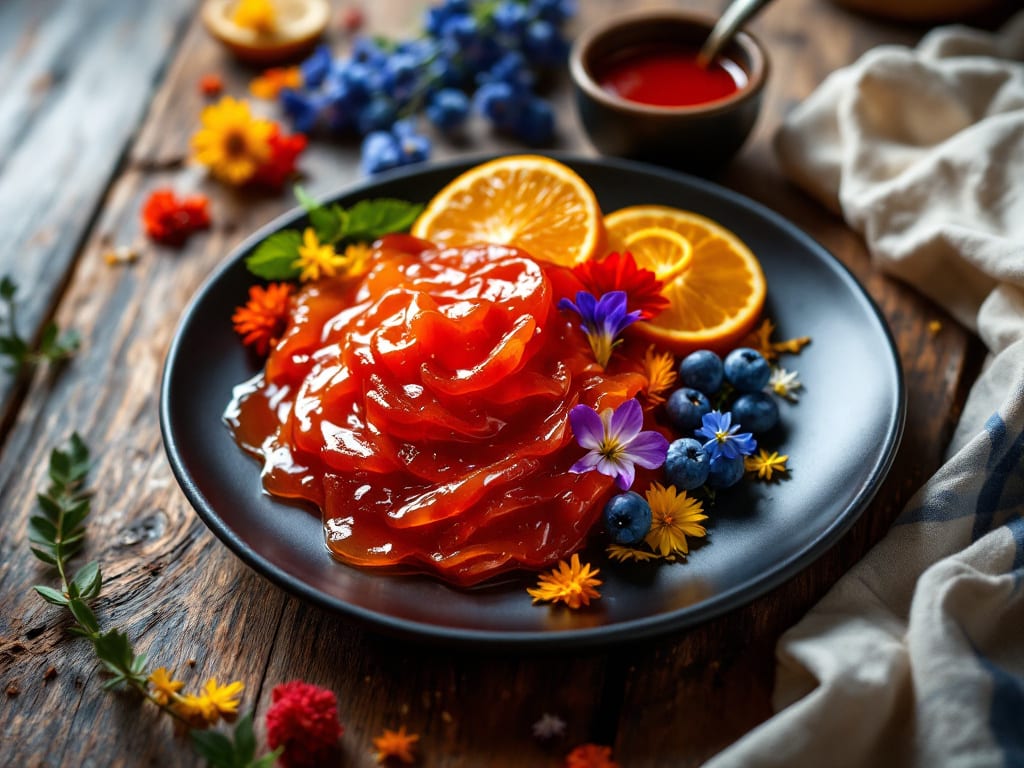
This sugar-free fruit jam recipe transforms ordinary fruit into velvety preserves using natural sweeteners and pectin alternatives, delivering all the sweetness without the refined sugar. The key lies in balancing fruit ripeness, proper sweetener ratios, and slow cooking to preserve vibrant flavors while achieving that signature jam consistency.
I’ve perfected this method over years of testing, ensuring it works with berries, stone fruits, or citrus—each batch tastes like summer in a jar without compromising texture.
The beauty of this recipe is its versatility—whether you prefer stevia for zero-calorie sweetness, erythritol for bulk, or mashed fruit for natural sweetness, the technique adapts seamlessly. A touch of lemon juice and chia seeds replaces traditional pectin, creating a set that’s firm yet spreadable.
What you’ll end up with is a jam that’s rich, flavorful, and perfectly balanced—ideal for toast, yogurt, or even as a glaze for meats.
What sets this apart is the professional approach to preservation: sterilized jars, precise cooking times, and proper storage ensure your jam stays fresh for months. No artificial ingredients, no guilt—just pure fruit flavor elevated.
The result? A condiment that rivals store-bought jams but aligns with health-conscious diets, vegan lifestyles, and natural living principles.
Perfect for gifting, meal prep, or satisfying that sweet tooth without sugar crashes. Here’s how to make it—step by step—for a jam that’s as nutritious as it is delicious.
Ingredients for sugar free fruit jam
Eight essential ingredients transform fruit into velvety, sugar-free preserves with natural sweetness and perfect set.
| Ingredient | Amount | Notes |
|---|---|---|
| Fresh or Frozen Fruit 🍓 | 4 cups | Pitted and chopped (berries, stone fruits, or citrus) |
| Granulated Erythritol or Powdered Stevia Blend 🍯 | ½ cup | Adjust based on fruit sweetness preference |
| Lemon Juice 🍋 | ¼ cup | Freshly squeezed for acidity |
| Chia Seeds 🌾 | 2 tbsp | Ground for natural pectin alternative |
| Extra-Virgin Olive Oil 🫒 | 1 tbsp | For gloss and moisture retention |
| Vanilla Extract 🌸 | 1 tsp | Pure vanilla for depth of flavor |
| Cinnamon Powder 🌿 | ½ tsp | Ground for warmth (optional) |
| Sterilized Glass Jars 🥫 | 4 whole | Pint-sized for storage |
The fruit selection is non-negotiable—ripe but firm berries or stone fruits work best, as overripe fruit releases excess liquid. For citrus, use organic to avoid wax coatings. Trader Joe’s and local farmers markets offer the freshest options, while frozen fruit (like berries) from Costco provides year-round consistency. If using citrus, zest the peel for added aroma—just avoid bitter white pith. For stevia, brands like SweetLeaf or NuNaturals provide the cleanest, zero-calorie sweetness, while erythritol from Wholesome Sweeteners mimics sugar’s texture better. Always measure sweeteners precisely; digital scales ensure accuracy.
No erythritol? Xylitol works in a 1:1 ratio, though it has a slight cooling aftertaste. Monk fruit sweetener is another zero-calorie option, but it’s harder to find in granular form. Short on chia seeds? Flaxseed meal at the same quantity functions similarly, though the set may be slightly softer. For lemon juice, bottled works in a pinch, but freshly squeezed delivers brighter acidity. The olive oil isn’t just for flavor—it creates a silky texture and prevents crystallization of sweeteners. If you prefer vanilla bean paste, use half the amount for richer flavor. The cinnamon is optional but enhances warmth; Ceylon cinnamon is the mildest choice.
Sterilize jars by boiling for 10 minutes or running through a dishwasher’s sanitize cycle. Store finished jam in a cool, dark pantry for up to 6 months, or refrigerate for 12 months to extend shelf life. For gifting, wrap jars in parchment paper and tie with twine. Reheat gently in a water bath for 30 seconds before serving to restore spreadable consistency. Freeze portions in ice cube trays for single-serving convenience—thaw overnight in the fridge.
Why You’ll Love This Recipe
- No Pectin Needed: I’m not kidding—this jam sets perfectly without that finicky pectin. The chia seeds do all the work, turning your fruit into a glossy, spreadable dream in one pot. No failed batches, no extra shopping trips.
- Taste Like Childhood: Between us, the olive oil and lemon juice might sound fancy, but they’re the secret to that real fruit jam flavor—bright, balanced, and not cloyingly sweet. My kids still ask for the jar I made last summer, and I haven’t even touched it.
- Breakfast to Dessert: Slather it on toast, dollop it into Greek yogurt, or—yes—spread it on a warm scone. It’s my go-to for quick protein bowls in the morning or a fancy-ish dessert when company drops by. The stevia blend keeps it subtle, so it won’t overpower anything.
- Zero Guilt Leftovers: This stuff lasts months in the fridge, and honestly? I’ve got three jars in mine right now. Frozen fruit works just as well, so you’re not wasting money on fresh berries that’ll turn to mush. Plus, it’s so simple to double the batch—just toss in more fruit and let it simmer.
Step-by-step instructions for sugar-free fruit jam
Here’s the method for creating lusciously sweet preserves without refined sugar or artificial sweeteners.
Prepare the Fruit Base
Combine the 4 cups of fresh or frozen fruit in a heavy-bottomed saucepan. I use stone fruits like peaches or berries for their natural pectin content, but citrus works beautifully too. Add the 0.25 cup of lemon juice and bring to a simmer over medium heat. The lemon juice serves dual purposes—it preserves color and provides the acidity needed for proper gelling.
Simmer uncovered for 10-15 minutes, stirring occasionally, until the fruit breaks down and releases its juices. You’ll notice the mixture becoming thicker and more aromatic. For frozen fruit, you may need an additional 5 minutes to fully thaw and soften. The goal is to create a smooth purée that will form the jam’s foundation.
Add Sweetener and Natural Thickener
Once the fruit has softened, reduce heat to low and stir in the 0.5 cup granulated erythritol or powdered stevia blend. This is where you can adjust sweetness to taste—start with the full amount and add more if needed, but remember these sweeteners are significantly more potent than sugar. Next, add the 2 tablespoons of ground chia seeds and the 1 tablespoon of extra-virgin olive oil.
The chia seeds act as a natural pectin alternative, binding the fruit and creating that signature jam consistency without needing commercial thickeners. The olive oil adds richness and helps preserve the jam’s moisture. Stir continuously for 2-3 minutes until the chia seeds are fully incorporated and the mixture becomes slightly more viscous.
Incorporate Aromatics and Final Adjustments
Remove the pan from heat and let it cool slightly for 5 minutes. This prevents the vanilla extract from cooking off its delicate aroma. Stir in the 1 teaspoon of vanilla extract and the 0.5 teaspoon of cinnamon powder. The vanilla adds depth while the cinnamon provides warmth that complements most fruit bases.
Taste the mixture and make any final adjustments. If it’s too thick, add 1 tablespoon of hot water at a time until you reach your desired consistency. For a smoother texture, strain through a fine-mesh sieve to remove any remaining fruit fibers. The jam should coat the back of a spoon but still be pourable.
Sterilize and Fill Jars
While the jam cools, prepare the 4 sterilized glass jars by running them through a hot water bath for 10 minutes. This ensures they’re completely clean and free of contaminants. Using a ladle or funnel, carefully fill each jar with the jam mixture, leaving about 0.25 inch of headspace at the top.
Seal the jars immediately with sterilized lids and rings. Place them in a boiling water bath for 10 minutes to create an airtight seal. This processing step extends shelf life and preserves the jam’s quality. Let the jars cool completely before storing in a dark, cool place where they’ll keep for up to 6 months.
Pro Tips For Making Sugar Free Fruit Jam
- Simmer Slow and Low: Sugar-free jam needs time to thicken properly—don’t rush it. After the fruit breaks down, reduce heat to a gentle simmer and let it cook for at least 20-30 minutes, stirring occasionally. I used to crank the heat and ended up with a runny mess that never set.
- Prep Fruit Like a Pro: Pitting, seeding, and chopping fruit uniformly speeds up cooking and ensures even texture. For berries, remove stems and squeeze out excess liquid if using frozen fruit—this prevents a watery jam. (Yes, even if you’re impatient like me.)
- Measure Sweetener Precisely: Erythritol and stevia blends behave differently—too much and it’ll crystallize, too little and it’ll taste bland. Start with 1:1 erythritol-to-fruit ratio, then adjust by taste after cooking. Stevia? Use half the amount of the blend’s recommended dose—it’s potent.
- Chia Seeds Need Soaking Time: Skip the shortcut of tossing chia seeds in dry—soak them in a little warm water or lemon juice for 5 minutes first. This guarantees a thicker, smoother jam without clumps. (Your future self will notice the difference.)
Dietary considerations for sugar free fruit jam
Vegan-Friendly Adaptations
This sugar-free jam is inherently vegan since it relies solely on plant-based ingredients. The chia seeds replace traditional pectin, while erythritol or stevia eliminates any animal-derived sweeteners. For extra assurance, always check sweetener labels—some brands may process ingredients in facilities handling dairy or honey.
I recommend SweetLeaf or Wholesome Sweeteners for guaranteed vegan compatibility. 🌱
Gluten-Free Considerations
All ingredients in this recipe are naturally gluten-free, but cross-contamination can occur if chia seeds or cinnamon are processed in shared facilities. Opt for certified gluten-free brands like Bob’s Red Mill chia seeds and Spicewalla cinnamon to minimize risk.
The olive oil, lemon juice, and vanilla extract are universally gluten-free, so no additional adjustments are needed. Always verify labels when purchasing sweeteners.
Allergen Management
For nut allergies, ensure your vanilla extract is nut-free—brands like Frontier Co-op offer pure, single-origin vanilla without cross-contamination risks. If chia seeds are problematic, substitute with flaxseed meal (same quantity) or agar-agar powder (1 teaspoon) for gelling.
The recipe remains dairy-free, egg-free, and soy-free by default, making it suitable for most common dietary restrictions.
Diabetic-Friendly Adjustments
Erythritol and stevia are excellent choices for diabetics, offering sweetness with minimal blood sugar impact. For lower glycemic options, use monk fruit sweetener (measure 1:1 with stevia) or allulose (a rare sugar with negligible glycemic effect).
Monitor portion sizes—1 tablespoon of jam contains about 5-10g net carbs depending on fruit choice. Pair with high-fiber foods like whole-grain toast to balance blood sugar response.
Keto and Low-Carb Versions
To maximize keto compliance, select low-carb fruits like raspberries or blackberries (both under 10g net carbs per cup)). Avoid high-carb options such as strawberries or peaches.
For extra sweetness without carbs, add ½ teaspoon of vanilla stevia extract directly to the jars. The chia seeds provide fiber, keeping net carbs in check while maintaining texture. Aim for 4g net carbs per serving with berry-based jams.
Nutrition facts
Frequently asked questions
Can I use any fruit for this sugar-free jam?
Most fruits work beautifully, but the best choices are berries, stone fruits (peaches, plums), and citrus. These have natural pectin that helps with thickening. Avoid fruits with very high water content (like watermelon) as they may not set properly. For tart fruits like lemons or limes, you might need slightly more sweetener to balance the acidity.
Why does my sugar-free jam turn out runny?
Runny jam usually means insufficient thickening or overcooking. The chia seeds need 2-3 minutes of stirring to activate properly. If your jam is still too thin after cooling, try adding 1 teaspoon of ground chia seeds or 1 tablespoon of lemon juice (for acidity) to the warm mixture and let it sit for 10 minutes before testing again.
How do I adjust sweetness without adding sugar?
Start with the full 0.5 cup of sweetener, then taste as you go. For stevia, you can add ¼ teaspoon at a time since it’s much stronger than sugar. If using erythritol and it’s not sweet enough, add 1 tablespoon more and simmer for an additional 5 minutes to dissolve completely. Avoid over-sweetening—fruit flavors should still shine.
Can I make this jam without chia seeds?
Yes! For a pectin alternative, try 1 teaspoon of agar-agar powder or 2 tablespoons of flaxseed meal. Both work similarly, though agar-agar creates a firmer set. If you prefer no thickener at all, reduce cooking time to 8-10 minutes and let the fruit’s natural pectin do the work—just expect a softer consistency.
How do I store sugar-free jam for maximum freshness?
Store sealed jars in a cool, dark pantry for up to 6 months. For longer storage, refrigerate for 12 months. If you notice mold or off smells, discard immediately. The olive oil helps preserve freshness, but always check for spoilage before opening. Freezing in ice cube trays works too—just thaw in the fridge before using.

- Cinammon Sugar Recipe: Baking Spice Blend for Cookies, Donuts, and Pastries - November 29, 2026
- Chipotle Restaurant Black Bean Recipe: Smoky, Spiced, and Perfectly Seasoned - November 29, 2026
- Hot N’ Juicy Sauce Recipe: Smoky-Sweet Glaze for Wings and Fries - November 29, 2026