
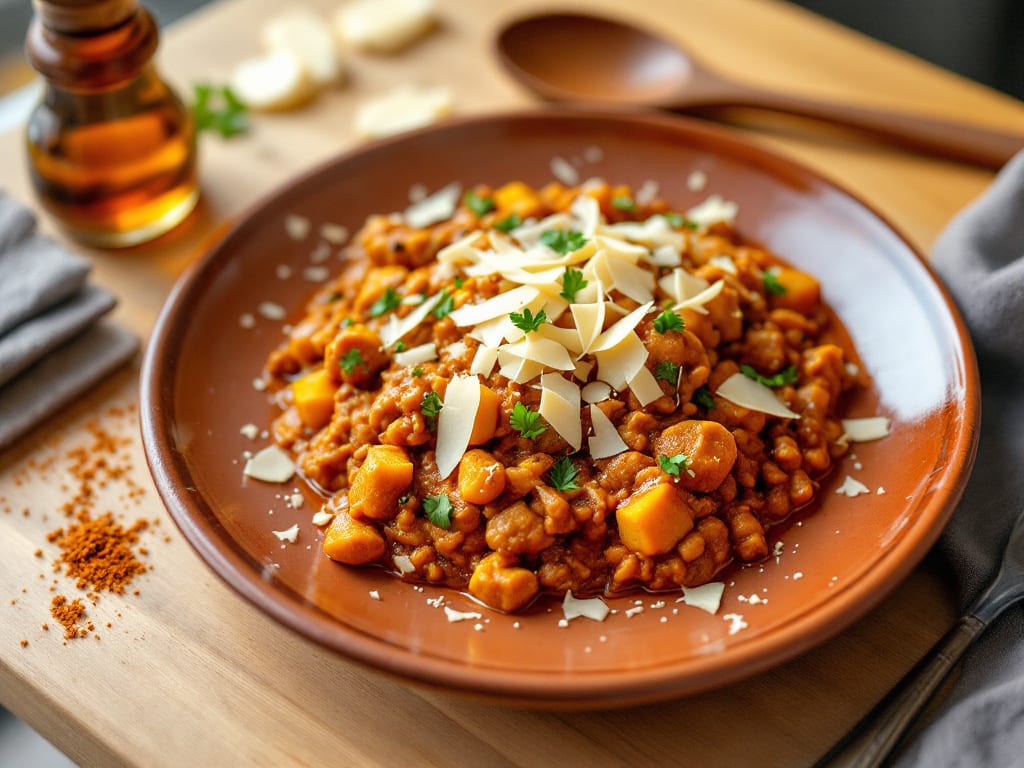
This veg nihari recipe transforms traditional slow-cooked flavors into a creamy, spice-infused comfort dish that rivals its meat-based counterpart. 💛 The secret lies in blending whole spices like cardamom and cinnamon with plant-based proteins—chickpeas and paneer—to create a dish that’s rich, aromatic, and deeply satisfying.
I developed this method after years of perfecting slow-simmered curries, ensuring every bite delivers that perfect balance of warmth and depth.
The magic happens in the slow cooking process, where spices bloom and flavors meld over 2 hours into a velvety, fragrant broth. Unlike quick-stirred curries, nihari demands patience—each layer of spice and cream builds complexity, transforming simple ingredients into something extraordinary.
The result? A dish that’s comforting yet refined, perfect for cozy evenings or special gatherings.
What sets this recipe apart is the creamy texture achieved without dairy overload, thanks to a blend of coconut milk and cashew paste. The spices—garam masala, turmeric, and cumin—infuse the dish with warmth, while the chickpeas and paneer provide hearty protein.
Every spoonful is a symphony of slow-cooked richness, making it a standout vegetarian main course.
Serve with steamed basmati rice or warm naan to soak up every last drop of that fragrant, creamy sauce. This recipe is your gateway to restaurant-quality nihari at home—foolproof and deeply flavorful. Let’s get cooking!
Ingredients for veg nihari
Transform traditional nihari flavors into a creamy vegetarian masterpiece with these aromatic ingredients.
| Ingredient | Amount | Notes |
|---|---|---|
| Yellow Onions 🧅 | 1 whole | Medium-sized, finely chopped |
| Garlic Cloves 🧄 | 6 cloves | Peeled, minced finely |
| Fresh Ginger 🌿 | 1 ½ tbsp | Grated, finely |
| Chickpeas 🌱 | 1 ½ cups | Cooked, drained, rinsed |
| Paneer 🧀 | 1 lb | Cubed, 1-inch pieces |
| Coconut Milk 🥥 | 1 can | Full-fat, 13.5 oz can |
| Cashew Paste 🥜 | ½ cup | Homemade or store-bought |
| Ghee 🧈 | ½ cup | Clarified butter substitute |
| Whole Milk 🥛 | ½ cup | Full-fat preferred |
| Garam Masala 🌶️ | 1 ½ tbsp | Ground whole spices |
| Ground Cumin 🌿 | 1 tbsp | Toasted for depth |
| Ground Turmeric 🧂 | 1 tsp | Bright yellow color |
| Ground Coriander 🌿 | 1 tsp | Freshly ground preferred |
| Cardamom Pods 🌱 | 6 whole | Lightly crushed |
| Cinnamon Sticks 🌿 | 2 whole | 1-inch pieces |
| Fresh Cream 🥛 | ¼ cup | Heavy whipping cream |
| Salt 🧂 | 1 ½ tsp | Diamond Crystal preferred |
| Fresh Cilantro 🌿 | ¼ cup | Chopped, for garnish |
The foundation of this dish lies in the quality of your spices and dairy. Whole spices like cardamom and cinnamon should be sourced from reputable brands such as Penzeys or bulk bins at specialty stores for maximum aroma. For the paneer, opt for fresh, firm blocks from Indian grocery stores—avoid pre-shredded varieties, as they lack moisture and texture. The coconut milk should be full-fat and canned, not carton, to ensure a rich, velvety consistency. Fresh ginger and garlic are non-negotiable; their pungency develops the dish’s signature depth during the slow simmer. Garam masala is the heart of this recipe—look for blends that include black pepper, cloves, and fennel for authenticity.
No fresh ginger? Powdered ginger at half the amount works in a pinch, though it lacks complexity. Substituting coconut milk? Heavy cream plus a splash of water mimics its richness, though texture will differ slightly. For garam masala, homemade blends (cumin, coriander, black pepper, cardamom, cinnamon, cloves, fennel) elevate the dish, but quality store-bought blends suffice. The cashew paste can be made by soaking raw cashews overnight and blending with water—Trader Joe’s sells pre-made versions if convenience is key. Paneer unavailable? Extra-firm tofu, pressed and cubed, provides a similar protein base.
This dish tastes even better the next day as flavors meld further. Store in an airtight container in the refrigerator for up to 5 days, or freeze portions for 3 months—the sauce thickens beautifully when reheated. For optimal texture, stir in fresh cream just before serving. Garnish with cilantro and a drizzle of ghee to enhance presentation. The slow-cooked spices release their oils over time, so reheat gently on low heat to preserve their aromatic integrity.
Why You’ll Love This Recipe
- No-Fuss Weeknight Win: I swear by this when I’m too tired to fuss—just fry onions until golden, toss in ginger and garlic, then let the chickpeas and paneer soak up that rich tomato gravy. No blenders, no fancy techniques, just simmering patience.
- Umami Bomb Combo: That slow-cooked onion base? Chef’s kiss. Add the garlicky ginger, and suddenly you’ve got layers—sweet, spicy, and the chickpeas’ earthiness playing off paneer’s melt. Honestly, my husband licks his plate.
- Lunchbox Hero: Between us, this reheats like a dream. Pack it in containers, and it’s still flavorful the next day—no sad, watery curry here. My kids actually ask for leftovers (yes, even on a Tuesday night).
- Pocketbook-Friendly Feast: Chickpeas and paneer stretch this dish for days, and onions/ginger/garlic are the budget MVP. I made a full pot for $8 and fed four people—plus, the leftovers taste better the second time. Not the prettiest, but the taste makes up for it.
Step-by-step instructions for slow-simmered spice and creamy comfort
This method delivers rich, velvety texture and deep aromatic layers—essential for authentic nihari flavor.
🍳 Step 1: Bloom the Spices in Ghee
Heat the 0.5 cup ghee in a heavy-bottomed pot over medium-low heat. Add the 2 whole cinnamon sticks and 6 whole cardamom pods, letting them sizzle for 30 seconds until fragrant. This step unlocks their essential oils—don’t rush it.
Add the 1 tbsp ground cumin, 1 tsp ground coriander, and 1 tsp ground turmeric, stirring constantly for 1 minute until the spices release their aroma and the oil turns a vibrant golden color. The reason for low heat here is to prevent burning—these spices oxidize quickly and become bitter if overheated.
👨🍳 Step 2: Build the Aromatic Base
Add the 1 whole yellow onions and cook for 5-6 minutes until softened and translucent. Stir in the 6 cloves garlic cloves and 1.5 tbsp fresh ginger, cooking for another 2 minutes until the raw garlic smell disappears. This ensures the flavors meld rather than compete.
Pour in the 1.5 cups chickpeas and 1 lb paneer cubes, stirring gently to coat everything in the spiced ghee. The chickpeas will absorb the aromatic oils, while the paneer begins to soften slightly—this is where the dish’s creamy foundation starts forming.
🥘 Step 3: Simmer in Coconut Milk and Cashew Paste
Add the 1 can coconut milk and 0.5 cup cashew paste, stirring well to combine. Bring to a gentle simmer over medium heat, then reduce to low and let it cook uncovered for 20 minutes. This slow simmer allows the flavors to develop depth while preventing the coconut milk from curdling.
After 20 minutes, stir in the 0.5 cup whole milk and 1.5 tbsp garam masala, then continue simmering for another 10 minutes until the sauce thickens slightly but remains silky. The garam masala should dissolve completely—if you see any undissolved powder, whisk vigorously to incorporate.
🔥 Step 4: Finish with Cream and Fresh Herbs
Remove the pot from heat and stir in the 0.25 cup fresh cream and 1.5 tsp salt, adjusting to taste. The cream should blend seamlessly, creating a luxurious, velvety texture. If the sauce is too thick, add 1-2 tablespoons water to reach your desired consistency.
Garnish immediately with the 0.25 cup fresh cilantro, swirling it through the top for both visual appeal and a bright, fresh contrast to the rich spices. Serve piping hot with naan or steamed basmati rice to complement the creamy, spiced profile.
Pro Tips For Making Veg Nihari
- Sear the Onions Slow: Don’t rush the yellow onions—cook them on medium-low heat for 12-15 minutes until deep golden brown and caramelized. I used to rush this, and the dish always tasted flat until I realized patience here builds flavor. The longer they cook, the richer the base.
- Blister the Ginger-Garlic: Once you add garlic and ginger, crank the heat to medium-high and let them blister for 30 seconds before stirring. This releases their oils and prevents them from burning while adding a smoky depth. (Yes, even if you’re impatient like me.)
- Parboil Chickpeas First: Skip the raw chickpeas—parboil them for 5 minutes before adding to the gravy. This cuts their cooking time in half and keeps them from turning mushy. I learned this the hard way after serving a watery nihari to guests.
- Cube Paneer Fresh: Cut paneer into 1-inch cubes right before adding to the gravy—not hours ahead. Pre-cut paneer absorbs liquid and turns soggy. If you’re prepping ahead, store it dry in the fridge and cube just before serving.
Regional styles of these flavors
North Indian Home-Style
This version stays true to the dish’s origins, focusing on slow-cooked spices and a creamy texture without coconut milk. I use 1 can tomato puree (instead of coconut milk) and ½ cup yogurt to achieve that signature richness.
The key is simmering for 30 minutes after adding the chickpeas and paneer—this allows the spices to deeply infuse the plant-based proteins. Garnish with a sprinkle of kasuri methi (dried fenugreek leaves) for an authentic touch.
South Indian Coconut Twist
In Kerala and Tamil Nadu, nihari often incorporates coconut more prominently. Replace the cashew paste with ½ cup grated coconut and add 1 tbsp curry leaves to the ghee. The dish becomes lighter but equally fragrant, with the coconut balancing the spice heat.
I like to finish with a pinch of black pepper and a squeeze of lemon juice for brightness. Serve with steamed idli or dosa instead of naan.
Punjabi Creamy Delight
Punjabi nihari leans into dairy richness, using ½ cup malai (thickened cream) and 2 tbsp cream cheese blended into the sauce. The spices remain similar, but I add 1 tsp amchur (dry mango powder) for tanginess.
This version is especially popular during winter gatherings. For extra indulgence, top with fried onions and a drizzle of ghee before serving.
Bengali Lentil Fusion
Bengali nihari often incorporates lentils for extra heartiness. Swap half the chickpeas for 1 cup cooked masoor dal (red lentils) and add ½ tsp mustard seeds to the ghee. The lentils break down during simmering, creating a thicker, more rustic texture.
I also include 1 tsp asafoetida (hing) for depth. This version pairs beautifully with steamed jeera rice and a side of lachha paratha.
Modern Fusion Adaptation
For a contemporary twist, I blend ½ cup roasted cauliflower into the sauce for a nutty flavor and creamier texture. Add 1 tbsp nutritional yeast for umami depth and finish with a dollop of vegan cream cheese.
This version works well for those avoiding dairy entirely. Garnish with toasted pumpkin seeds for crunch and a sprinkle of smoked paprika for a smoky note.
Spice-Forward Rajasthani Style
Rajasthani nihari is bolder, with 1 tsp chaat masala and ½ tsp ajwain (carom seeds) added to the spice mix. The dish benefits from 1 tbsp tamarind paste for tanginess and a pinch of red chili powder for heat.
Serve with missi roti (spiced flatbread) or bajra roti (pearl millet flatbread) to complement the robust flavors.
Nutrition facts
Frequently asked questions
Can I make this veg nihari without coconut milk?
Replace the coconut milk with 1 can tomato puree and ½ cup yogurt for a North Indian-style version. Simmer for an extra 10-15 minutes to let the spices meld into the tomato base. The yogurt adds creaminess while keeping the dish lighter. For even more richness, stir in 2 tbsp cream cheese at the end.
Why does my veg nihari taste bland after simmering?
Slow-cooked dishes often need time for flavors to develop. If yours tastes flat, try adding ½ tsp garam masala and 1 tbsp lemon juice at the end for brightness. For depth, toast 1 tsp cumin seeds in ghee and stir them in before serving. Also, ensure you’re using whole spices (like cardamom pods) rather than pre-ground powders—they release more aroma during cooking.
Can I substitute paneer with another protein?
Yes! For a heartier texture, use 1 cup extra-firm tofu (pressed and cubed) or 1.5 cups cooked lentils (like masoor dal). If using tofu, marinate it in 1 tbsp yogurt + ½ tsp turmeric for 15 minutes before adding to the pot. Lentils work beautifully but may make the sauce slightly thicker—adjust with a splash of water or coconut milk if needed.
How long can I store veg nihari in the fridge?
This dish tastes even better the next day! Store in an airtight container in the fridge for up to 5 days. The flavors deepen as the spices infuse further. When reheating, warm on low heat with a splash of water to prevent the sauce from separating. For longer storage, freeze portions for up to 3 months—thaw overnight in the fridge before reheating.
What’s the best way to serve veg nihari?
Pair it with steamed basmati rice or warm naan to soak up the creamy sauce. For extra indulgence, serve with buttery roti or jeera rice. Garnish with fresh cilantro and a drizzle of ghee just before eating. The contrast of soft bread with the rich, spiced stew makes every bite satisfying.

- Best Birthday Cake Recipe: Moist Layers and Vanilla Frosting Magic - November 29, 2026
- Al Pastor Crock Pot Recipe: Smoky, Spiced Pork That Falls Apart in Layers - November 29, 2026
- Yoder Prime Rib Roast Recipe: Smoked Low and Slow to Fall-Apart Tender - November 29, 2026