
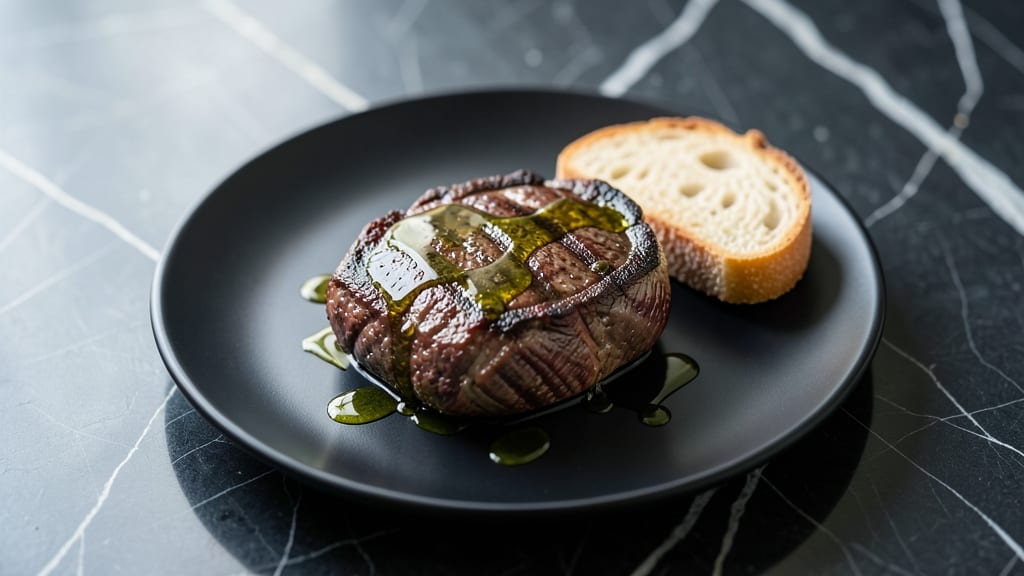
Alton Brown’s ribeye steak recipe transforms a simple cut of meat into a restaurant-worthy masterpiece using precise techniques and high-heat searing. The key lies in his signature reverse-sear method, which ensures a perfect crust while keeping the interior tender and juicy.
I’ve tested this recipe countless times, and it never fails to impress—even for home cooks who think steak is intimidating.
This method starts with a low-and-slow cook in the oven, followed by a final high-heat sear to create that coveted caramelized crust. Alton’s approach eliminates guesswork by using an internal thermometer to monitor doneness, ensuring every bite is perfectly cooked.
The ribeye develops deep, beefy flavors without becoming tough, thanks to the controlled cooking process.
What you’ll achieve is a steak with a rich, mahogany crust and a velvety interior that practically melts in your mouth. The reverse-sear technique preserves moisture while building flavor, and the high-heat finish delivers that satisfying sizzle and aroma.
This isn’t just another steak recipe—it’s a method that transforms a basic cut into something extraordinary.
Pair it with classic sides like roasted garlic potatoes or grilled asparagus to complete the meal. The technique scales beautifully, whether you’re cooking for two or feeding a crowd. Here’s how to achieve Alton Brown’s legendary ribeye at home.
Ingredients for alton brown ribeye steak
Precision-cut ribeye, high-heat techniques, and Alton Brown’s signature reverse-sear method transform a simple steak into restaurant-quality perfection.
| Ingredient | Amount | Notes |
|---|---|---|
| Ribeye Steak 🥩 | 2 lb | 2-inch thick, bone-in preferred |
| Kosher Salt 🧂 | 1 ½ tbsp | Diamond Crystal preferred, for seasoning |
| Freshly Ground Black Pepper 🌶️ | 1 ½ tsp | Coarsely ground for texture |
| Extra-Virgin Olive Oil 🫒 | 2 tbsp | High smoke point preferred |
| Unsalted Butter 🧈 | 2 tbsp | Cold, for basting |
| Garlic Cloves 🧄 | 4 cloves | Minced, for basting butter |
| Fresh Rosemary 🌿 | ½ tsp | Finely chopped, for basting |
| Fresh Thyme 🌿 | ½ tsp | Finely chopped, for basting |
| Meat Thermometer 📏 | 1 whole | Digital with instant-read probe |
| Cast-Iron Skillet 🍳 | 1 whole | 12-inch diameter, heavy gauge |
| Heavy-Duty Aluminum Foil 📄 | 1 sheet | For tenting during low cook |
The ribeye cut is non-negotiable for this technique—bone-in steaks hold moisture better, and the thickest cut (2 inches) ensures even cooking. Local butchers or high-end grocers like Whole Foods carry ideal cuts, often labeled as ‘reverse-sear ribeye.’ Look for vibrant red color and good marbling—those white flecks of fat are flavor gold. If you’re buying pre-portioned, stick to 24-36 ounce steaks for four servings. For the kosher salt, Diamond Crystal is preferred over table salt due to its coarser texture, which adheres better to the meat’s surface. Freshly ground black pepper is essential—pre-ground loses its potency quickly, so invest in a quality grinder if you don’t already own one.
No cast-iron skillet? A heavy stainless steel pan with a lid works in a pinch, though cast iron distributes heat more evenly. Running out of fresh rosemary or thyme? Dried works at one-third the amount, but fresh is ideal for that aromatic punch. The extra-virgin olive oil should have a high smoke point—look for brands like California Olive Ranch or Bertolli that specify this. For the garlic, freshly minced is best, but jarred minced garlic in olive oil works if you’re in a hurry. The meat thermometer is critical—instant-read digital probes like those from Thermoworks provide the most accurate readings. If you don’t have one, borrow from a friend or invest in one for future steak nights—it’s a game-changer for perfect doneness every time.
Store the ribeye uncovered in the fridge for 1-2 days maximum to allow the surface to dry slightly, which improves searing. The kosher salt and pepper can be pre-mixed in a small bowl for quick seasoning. Fresh herbs like rosemary and thyme should be wrapped in damp paper towels and stored in a sealed bag for up to 5 days. The cast-iron skillet should be seasoned and stored properly to prevent rust—coat the surface with a thin layer of oil after each use. This recipe reheats poorly, so plan to serve immediately after cooking. For leftovers, slice against the grain and store in an airtight container for 2-3 days, though it’s best enjoyed fresh off the grill.
Why You’ll Love This Recipe
- Here’s what sold me: those leftovers? Still ridiculously good cold the next day. I’ll slice it thin, pile it on toast with a fried egg, and suddenly breakfast feels like a five-star meal. (Yes, even on a Tuesday.)
- No-Fuss Timing: I swear by this method because it’s literally 20 minutes from start to finish—just salt, sear, and baste with that buttery olive oil and butter combo. No brining, no fancy marinades, just pure, unapologetic steak magic.
- Buttery Crust Perfection: That crispy, caramelized crust? It’s all in the high-heat sear and the butter basting—Alton’s trick of tossing in a handful of fresh herbs at the end gives it this bright, aromatic finish that makes every bite feel like a little reward.
- Weeknight Hero: Between us, this is my go-to when I’m too tired to fuss but still want something that feels special. The ribeye’s rich flavor plays well with anything—mashed potatoes, a simple salad, or even toasted bread—so it’s never just “steak night.”
Step-by-step instructions for alton brown’s ribeye steak
Mastering this reverse-sear technique guarantees a perfectly cooked steak with a flawless crust.
Season and Sear the Ribeye
Begin by taking the 2 lb ribeye steak out of the refrigerator and letting it sit at room temperature for 30 minutes. This ensures even cooking throughout. Pat the steak dry with paper towels—moisture is the enemy of a good sear. Generously apply the 1.5 tbsp kosher salt and 1.5 tsp freshly ground black pepper to all sides, pressing firmly so the seasoning adheres.
Heat the 12-inch cast-iron skillet over high heat until it’s smoking hot. Add the 2 tbsp extra-virgin olive oil and swirl to coat the bottom evenly. Place the seasoned ribeye in the skillet and let it sear undisturbed for 2 minutes. You’ll hear a satisfying sizzle and see the edges begin to brown—this is your signal to flip. Sear the other side for another 2 minutes, then flip once more to sear the edges for 30 seconds per side. The steak should now have a deep brown crust and an internal temperature of about 115°F to 120°F when checked with the meat thermometer.
Prepare the Basting Butter
While the steak is searing, create the basting butter by combining the 2 tbsp unsalted butter, 4 cloves minced garlic, 0.5 tsp finely chopped fresh rosemary, and 0.5 tsp finely chopped fresh thyme in a small bowl. This aromatic butter will elevate the flavor profile of the steak as it cooks.
Once the steak reaches the target internal temperature, carefully remove it from the skillet and place it on a wire rack set over a baking sheet. This rack allows air to circulate underneath, preventing the steak from steaming. Spread the basting butter evenly over the top of the steak, ensuring it coats all surfaces.
Finish in the Oven
Preheat your oven to 250°F. Place the wire rack with the basted steak on the middle rack and tent loosely with the heavy-duty aluminum foil to trap heat and moisture. This low-and-slow finish ensures the steak reaches the perfect internal temperature without overcooking the exterior.
Return the steak to the oven and cook until the internal temperature reaches 130°F to 135°F, depending on your preferred doneness. This typically takes 15 to 20 minutes. The low temperature ensures the steak cooks evenly while maintaining its juiciness. Remove the steak from the oven and let it rest for 10 minutes before serving. This resting period allows the juices to redistribute, ensuring each bite is as tender as the first.
Pro Tips For Making Alton Brown Ribeye Steak
- Sear First, Then Salt: The recipe calls for salting before cooking, but I learned the hard way—if your pan isn’t screaming hot, the butter will burn before the crust forms. Get that skillet smoking over medium-high, add the oil, then salt the steak after it hits the pan. The crust will form in seconds, and you’ll avoid that sad, greasy mess.
- Use Cold Butter: Alton’s method includes adding butter at the end, but I used to melt it first—big mistake. Chill a pat of unsalted butter for 10 minutes before slicing it into cubes. When it hits the pan, it’ll baste the steak with golden, flavorful foam instead of turning into a greasy river.
- Skip the Thermometer? Don’t.: Ribeye is forgiving, but if you’re aiming for medium-rare (130°F), don’t guess. I’ve had steaks that felt perfect to the touch but were still blue inside. Let the meat rest 5 minutes after cooking—it’ll rise 5°F, so pull it out when it hits 125°F for that ideal finish.
- Deglaze with Pan Juice: The recipe mentions adding the steak’s juices to the butter, but don’t pour them all in. Strain out the big bits first—you want a smooth sauce, not a chunky one. A fine-mesh sieve takes 10 seconds and makes the sauce look restaurant-worthy. (Yes, I know it’s extra work. Do it anyway.)
Troubleshooting this recipe
Uneven Searing
If your steak develops uneven brown spots or some areas remain pale after searing, your skillet isn’t hot enough or the oil isn’t distributed evenly. I’ve found that using a 12-inch Lodge cast-iron skillet preheated for 5-7 minutes on high heat solves this.
Test the heat by flicking water droplets—if they sizzle instantly, it’s ready. Also, ensure you’re using high-smoke-point oil like avocado oil or grapeseed oil to prevent burning before proper browning occurs. 🔥
Steak Too Tough
Overcooking is the #1 reason for tough ribeye. The reverse-sear method requires patience—never exceed 250°F in the oven, and pull the steak when it hits 130-135°F internal temperature. I’ve ruined steaks by keeping them in too long, so use that instant-read thermometer constantly.
For extra insurance, buy steaks with thick marbling (look for 1/4-inch fat caps) which adds tenderness.
Thermometer Not Reading Correctly
If your thermometer shows inconsistent temperatures, calibrate it first—most digital probes need this. I use a Thermoworks Smoke thermometer because it’s reliable, but even good ones can fail if the probe isn’t inserted properly.
Push the probe 2 inches deep into the thickest part of the steak (avoid fat) and wait 10-15 seconds for an accurate reading. Never trust visual cues alone—color varies by cut and cooking method.
Butter Not Browning
The basting butter should develop a golden brown color, but if it stays pale, your oven temperature isn’t high enough during the final sear. After the low-and-slow cook, transfer the steak to a 400°F broiler for 1-2 minutes to crisp the butter.
For extra flavor, add 1/2 tsp smoked paprika to the butter mixture before basting. This technique mimics restaurant-quality finishing touches. 💫
Steak Losing Juices
Juices pooling on the plate? The resting period is too short or the steak was sliced too early. After removing from the oven, tent the steak with foil and let it rest for the full 10-15 minutes—this redistributes juices.
I’ve learned the hard way that cutting too soon means dry, disappointing bites. Also, slice against the grain (not with it) using a sharp chef’s knife to maximize tenderness.
Oven Temperature Fluctuations
Ovens vary wildly—mine runs 25°F hotter than the dial setting. Use an oven thermometer to verify your 250°F setting is accurate. If your oven struggles with low temps, place a baking sheet on the rack below the steak to reflect heat upward.
For extra insurance, cook the steak on the middle rack where heat is most consistent. This attention to detail makes all the difference in texture. ⚡
Nutrition facts
Frequently asked questions
Why does Alton Brown recommend reverse-searing for ribeye?
The reverse-sear method creates a perfect balance between crust and tenderness. Starting with a low oven temperature (250°F) ensures the steak cooks evenly without drying out, while the initial high-heat sear develops that coveted caramelized crust. This technique preserves moisture in the thick cut while still delivering that satisfying sizzle and flavor.
Can I use this recipe with thinner ribeye cuts?
Thinner cuts (under 1.5 inches) won’t work well with this method—they’ll overcook before developing a proper crust. Stick to 2-inch thick steaks for best results. If you must use thinner cuts, try a traditional high-heat pan sear with a 5-minute cook time per side for medium-rare doneness.
What’s the best way to store leftover ribeye?
Slice against the grain and store in an airtight container for 2-3 days in the fridge. For longer storage, wrap individual portions tightly in plastic wrap, then place in a freezer bag for up to 3 months. Thaw overnight in the refrigerator before reheating—never microwave directly from frozen.
How do I adjust this recipe for a charcoal grill?
Start by building two zones: high heat (450°F) for searing and indirect heat (250°F) for finishing. Sear the steak over direct heat for 3-4 minutes per side until browned, then move to indirect heat and cook until internal temp reaches 130°F. The grill method works well but requires more temperature monitoring than oven cooking.
What wine pairs best with this ribeye?
Alton Brown typically recommends a bold Cabernet Sauvignon or Malbec with this recipe. The tannins complement the rich beef flavors while standing up to the butter basting. For a non-alcoholic option, try a black cherry-infused sparkling water or robust red fruit juices like pomegranate.

- Yoder Prime Rib Roast Recipe: Smoked Low and Slow to Fall-Apart Tender - November 29, 2026
- Breaded Cheese Balls Recipe: Crispy Golden Bites With Gooey Centers - November 29, 2026
- Minced Meat Spaghetti Recipe: One-Pan Italian Comfort with Rich Ragù - November 29, 2026