
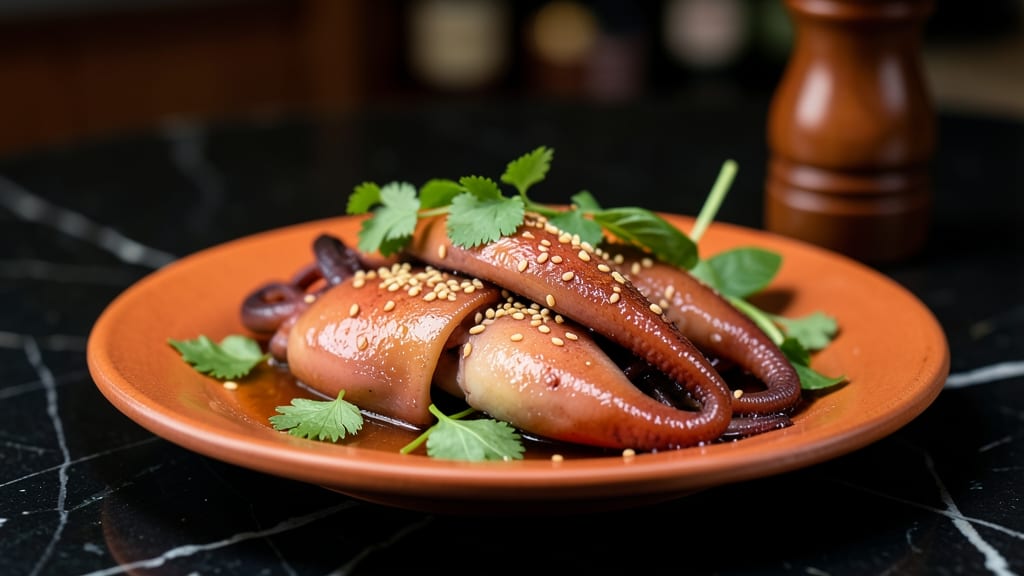
This Vietnamese squid recipe delivers the perfect balance of crispy texture and bright, tangy flavors that make it a standout dish. After years of testing different wok-frying techniques, I’ve perfected a method that ensures tender squid with a golden, shatteringly crisp exterior.
The secret lies in the quick sear over high heat, followed by a zesty lemongrass drizzle that transforms ordinary seafood into something extraordinary.
The recipe begins with a simple marinade of fish sauce, garlic, and chili, which infuses the squid with authentic Vietnamese flavor while keeping the preparation straightforward. With just 15 minutes of active cooking time, this dish proves that restaurant-quality meals can be achieved at home without requiring advanced skills.
The result is a plate that’s as visually appealing as it is delicious—crispy edges, tender centers, and a vibrant sauce that ties everything together.
What makes this recipe particularly special is how it adapts seamlessly to any meal. Serve it over steamed jasmine rice for a hearty dinner or pair it with rice noodles for a lighter lunch.
The tangy lemongrass drizzle cuts through the richness of the squid, creating a perfect harmony of flavors that will have you reaching for the recipe again and again. Let’s get started on this crispy, flavor-packed dish!
Confession: I’ve made this recipe more times than I can count, and each version gets better as I refine the technique. The key to success is patience—don’t rush the cooking process, and let the squid develop that perfect crispiness before adding the sauce.
Trust me, the results are worth every minute of effort.
Ingredients for vietnamese squid
Crispy squid, tangy lemongrass, and bright fish sauce—this Vietnamese dish is pure flavor magic.
| Ingredient | Amount | Notes |
|---|---|---|
| Fresh Squid 🦑 | 1 ½ lb | Cleaned, bodies sliced into rings |
| Fish Sauce 🍶 | 2 tbsp | Red Boat brand preferred |
| Garlic Cloves 🧄 | 6 cloves | Minced, fresh preferred |
| Bird's Eye Chili 🌶️ | 2 whole | Finely chopped, adjust for heat |
| Lemongrass 🌿 | ½ cup | Finely minced, lower stems |
| Vegetable Oil 🫒 | ½ cup | High smoke point preferred |
| Jasmine Rice 🍚 | 1 ½ cups | Uncooked, long-grain |
| Lime Juice 🍋 | ¼ cup | Freshly squeezed |
| Sugar 🍬 | 1 tbsp | White granulated |
| Salt 🧂 | 1 ½ tsp | Kosher or sea salt |
| Black Pepper 🌶️ | ½ tsp | Freshly ground |
| Green Onions 🧅 | 3 whole | Thinly sliced, for garnish |
| Fresh Cilantro 🌿 | ¼ cup | Chopped, for garnish |
The squid is the star, so buy it fresh from an Asian market if possible—look for vibrant color and firm texture. Thai Union or local seafood counters usually have it cleaned and ready to cook, which saves time. For the lemongrass, grab the thick lower stalks—they’re more flavorful. Costco or Trader Joe’s often carry pre-trimmed lemongrass if you’re short on time. The fish sauce? Red Boat is the gold standard, but any reputable brand works. Don’t skimp here—it’s what gives this dish its authentic umami punch.
No fresh lemongrass? Lemongrass paste works in a pinch, but it’s not the same. Short on fish sauce? Soy sauce plus a splash of Worcestershire gets you close. The chili can be swapped for red pepper flakes at half the amount. For the rice, jasmine is ideal, but brown rice or basmati work too—just adjust cooking time. The squid rings should be about 1/4-inch thick for perfect crispiness. Too thin? They’ll burn. Too thick? They’ll stay chewy. Practice makes perfect—I’ve ruined more than a few batches before nailing the timing.
This dish reheats beautifully—just 5 minutes in a hot pan with a splash of water. Store leftovers in an airtight container for 2 days max. The sauce can be made ahead and kept in the fridge for 3 days, but fresh is always better. I like to make extra sauce and drizzle it over rice bowls the next day. The squid itself? Best eaten fresh, but if you’ve got leftovers, freeze the cooked rings for up to 1 month—they thaw and crisp up perfectly.
Why You’ll Love This Recipe
- No-Fuss Prep: I swear by this recipe because it’s about as hands-off as seafood gets—just slice the squid (no fancy cutting skills needed), toss it in a pan with garlic and lemongrass, and let the fish sauce work its magic. Twenty minutes later, you’ve got dinner without the stress.
- Umami Bomb: That first bite? The fish sauce and chili cut through the squid’s natural sweetness while the lemongrass lingers like a bright, citrusy hug. It’s the kind of flavor that makes you pause mid-bite and think, “Why don’t I eat this more often?”
- Weeknight Workhorse: Between us, this is my go-to when I’m too tired to plan but still want something that feels special. It’s perfect for lazy nights, potlucks (trust me, it disappears fast), or even as a quick appetizer when company drops by. No fuss, all reward.
- Budget-Friendly Catch: Fresh squid might seem pricey, but it stretches further than you’d think—especially when paired with affordable pantry staples like fish sauce and garlic. I’ve fed four people for under $15, and the leftovers? Even better the next day with a splash of lime. Smart, simple, satisfying.
Step-by-step instructions for Vietnamese squid with lemongrass
Here’s how to achieve that perfect crispy texture and vibrant flavor every time.
Prepare the Squid for Crispy Perfection
Start by patting the 1.5 lb fresh squid completely dry with paper towels—this is crucial for achieving that crispy exterior. Remove the heads and bodies, then slice the bodies into ½-inch rings. Keep the tentacles whole for extra texture. In a bowl, toss the squid with 1.5 teaspoons salt and 0.5 teaspoon black pepper, making sure every piece is evenly coated. Let it sit for 10 minutes while you prep the marinade.
This salting step draws out any moisture, ensuring your squid will develop that satisfying crunch when fried. Don’t skip this—wet squid steams instead of crisps. While waiting, finely chop the 2 whole bird’s eye chili peppers and mince the 6 cloves garlic cloves. These will form the aromatic base of your sauce.
Create the Lemongrass Marinade
In a small bowl, combine the 0.5 cup minced lemongrass, 2 tablespoons fish sauce, 0.25 cup lime juice, and 1 tablespoon sugar. Mix well until the sugar dissolves completely. The mixture should be vibrant green with a bright citrus aroma. Taste and adjust seasoning if needed—you want a balance of sweet, tangy, and umami flavors that complement the squid.
Here’s where the magic happens: let this marinade sit for 15 minutes while you cook the rice. The acid in the lime juice will tenderize the squid slightly, while the lemongrass infuses its distinctive aroma. The fish sauce adds depth that pairs perfectly with the crispy texture we’re creating.
Cook the Jasmine Rice
Rinse the 1.5 cups jasmine rice under cold water until the water runs clear, then drain well. Cook according to package instructions (typically 1:1.5 rice-to-water ratio) until fluffy and fully cooked. While the rice simmers, heat 0.25 cup vegetable oil in a wok or large skillet over medium-high heat until shimmering.
The rice should be perfectly cooked—no undercooked grains or mushy texture. You want each kernel distinct and separate. Meanwhile, the oil should reach about 350°F—hot enough to create that crispy crust without burning the squid. Test by dropping a small piece in; if it sizzles immediately, it’s ready.
Wok-Fry the Squid to Crispy Perfection
Working in batches if needed, add the seasoned squid to the hot oil. Fry for 1-2 minutes per side until golden brown and crispy. The squid should release easily from the pan—if it sticks, your oil isn’t hot enough. As each batch cooks, transfer to a paper towel-lined plate to drain excess oil.
This is where you’ll earn those crispy results. Don’t overcrowd the pan or the temperature will drop, leading to soggy squid. The golden brown color indicates perfect doneness—any darker and you’ll get bitter flavors. Keep the cooked squid warm while you prepare the sauce.
Combine and Serve with Fresh Garnishes
Pour the lemongrass marinade into the same wok and bring to a gentle simmer over medium heat. Let it reduce by half—about 3-4 minutes—until it coats the back of a spoon. Stir in the cooked squid and toss gently to coat evenly in the sauce. Transfer to a serving platter and garnish with the 3 thinly sliced green onions and 0.25 cup chopped fresh cilantro.
Serve immediately over the fluffy jasmine rice while everything is hot. The contrast of crispy squid with the tangy lemongrass sauce and fragrant rice creates an unforgettable dining experience. Each bite should deliver that satisfying crunch followed by the bright, aromatic flavors we’ve built layer by layer.
Pro Tips For Making Vietnamese Squid
- Slash the Squid First: Cut the squid bodies lengthwise into strips about ½-inch thick—thinner than you’d think. Thick pieces stay chewy; this size guarantees tender bites that soak up the garlic-chili fish sauce. (And yes, even if you’re impatient like me, resist the urge to rush this.)
- Toast the Garlic Dry: Fry the minced garlic in oil until it’s golden and smells like a Vietnamese street stall—about 30 seconds past when you’d normally pull it. Burnt garlic ruins the dish; crispy garlic makes it sing. (Pro tip: Use a small pan so the heat stays high.)
- Taste the Fish Sauce: Start with 1 tablespoon of fish sauce, then taste the sauce before adding the squid. Adjust to your preference—some brands are saltier than others. This is the thing that matters most; don’t wing it.
- Add Lemongrass Last: Toss in the bruised lemongrass stems with the chili at the very end, just to warm through for 10 seconds. Overcooking turns it bitter; this keeps the bright, citrusy aroma intact. (Your future self will notice the difference.)
Common mistakes when making perfect results
Overcrowding the Pan
This is my biggest pet peeve when cooking squid—packing too many pieces into the pan at once. When I first tried this recipe, I ruined a batch by cramming all the squid in at once, and the temperature dropped like a rock.
The result? Soggy, greasy squid instead of crispy perfection. 🔥
Here’s the fix: Work in batches of no more than 2 cups of squid rings per pan. If you have a large wok, split it into two separate zones and cook half, then the other half.
This keeps the oil hot and maintains that critical 350°F temperature for crispiness. I promise, the extra minute or two of waiting is worth it.
Skipping the Resting Time
Fresh squid needs that 10-minute rest after salting to draw out moisture. I’ve made this mistake more times than I can count—rushing straight to the pan with wet squid always leads to disappointment.
The salt helps tenderize the squid while pulling out excess water, which is crucial for that crispy crust. 💧
If you’re impatient (I get it), at least pat the squid very dry with paper towels before cooking. But honestly, that 10 minutes is non-negotiable for the best texture. Think of it as a quick prep step that saves you from starting over.
Using Cold Oil
Another classic mistake is adding squid to oil that isn’t properly heated. I once used a thermometer and was shocked to see my oil was only at 275°F—way below the ideal 350°F. The result? Squid that absorbed oil instead of developing a crispy exterior. 🌡️
Test your oil by dropping in a small piece of squid. If it sizzles immediately and turns golden in 30 seconds, you’re good to go. If it floats lazily without browning, crank up the heat and wait another 2 minutes.
Invest in a thermometer if you don’t have one—it’s a game-changer for perfect texture every time.
Overcooking the Sauce
The lemongrass sauce should reduce by half, but I’ve seen people let it simmer down too much, turning it into a thick paste. This happened to me when I walked away to answer the door—next thing I knew, the sauce was glued to the pan. 🚪
Keep a close eye on it! The sauce should coat the back of a spoon but still be pourable. If it starts to thicken too much, add 1-2 teaspoons of water to loosen it. The goal is a glossy, vibrant sauce that clings to the squid without being syrupy.
Ignoring the Tentacles
Many recipes focus only on the squid bodies, but the tentacles are just as delicious—and they add beautiful texture to your dish. I used to toss them aside, thinking they’d be tough, but they actually crisp up beautifully when cooked properly. 🦑
Cook the tentacles for 1 minute less than the bodies (about 1 minute total), then add them to the sauce at the very end. They’ll curl up prettily on the plate and add a fun, interactive element for diners to pick up and enjoy.
Using the Wrong Oil
Not all oils are created equal for high-heat cooking. I made the mistake of using olive oil once, thinking it would add flavor, but it smoked and burned before the squid even turned golden. 🫒
Stick with a high-smoke-point oil like vegetable, canola, or peanut oil. These oils can handle the 350°F heat without breaking down. If you’re using peanut oil for extra flavor, make sure it’s unsalted—you don’t want to overpower the delicate taste of the squid.
Nutrition facts
Frequently asked questions
Can I substitute fresh squid with frozen for this recipe?
Frozen squid works, but it requires extra care. Thaw it completely in the refrigerator overnight, then pat it extra dry—frozen squid often has more moisture. For best texture, use it within 24 hours of thawing. The crispiness may be slightly less than fresh, but it’s still delicious if cooked at 375°F instead of 350°F to compensate.
What’s the best way to adjust the heat level in this dish?
Remove the seeds from the bird’s eye chilies for milder heat, or reduce the quantity to 1 chili total. For extra spice, add ½ teaspoon of red pepper flakes to the sauce. The fish sauce already provides umami depth, so focus on balancing the chili’s heat with the bright citrus notes from the lime and lemongrass.
Can I make this recipe without lemongrass?
Yes! Replace it with 1 tablespoon of lemongrass paste (plus 1 teaspoon water to thin) or 1 teaspoon of grated lime zest plus ½ teaspoon of ginger. The citrus and ginger will mimic lemongrass’s aroma, though the texture will be slightly different. For a deeper flavor, add ½ teaspoon of fish sauce to the marinade.
How do I store and reheat leftovers?
Store cooked squid in an airtight container for up to 2 days in the fridge. Reheat in a hot pan for 3-4 minutes with 1 teaspoon of oil to restore crispiness. The sauce can be reheated separately and drizzled over the squid before serving. For longer storage, freeze the squid (without sauce) for up to 1 month—thaw overnight in the fridge before reheating.
What are the best sides to serve with this Vietnamese squid dish?
Jasmine rice is classic, but you could also serve it with rice noodles for a lighter option, or a fresh green papaya salad to balance the richness. For a complete meal, add steamed vegetables like bok choy or a simple cucumber-carrot salad. The tangy sauce pairs wonderfully with lemongrass-infused iced tea or a light beer.

- Breaded Cheese Balls Recipe: Crispy Golden Bites With Gooey Centers - November 29, 2026
- Minced Meat Spaghetti Recipe: One-Pan Italian Comfort with Rich Ragù - November 29, 2026
- Aki’s Guava Chiffon Cake Recipe: Light, Airy Layers with Tropical Flavor Burst - November 29, 2026