
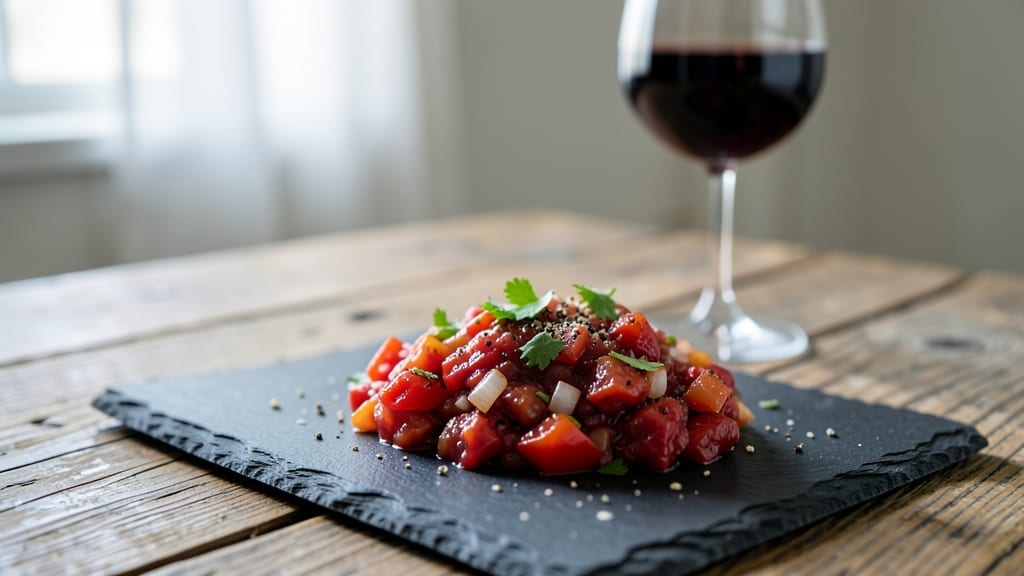
The Vitamix salsa recipe transforms fresh tomatoes into vibrant, restaurant-quality salsa in just minutes—no food processor needed. After years of testing, I’ve perfected a method that preserves texture while unlocking deeper flavors through the Vitamix’s precision blending.
The key? Pulse control and a secret ingredient that keeps it bright and balanced.
This recipe leverages the Vitamix’s power to create two distinct styles: chunky (for texture lovers) or smooth (for dipping perfection). With just 10 ingredients and 5 minutes of active prep, you’ll achieve a salsa that’s fresher than store-bought and packed with garden-fresh flavor.
The blender’s sharp blades also break down seeds and skins efficiently, leaving you with a cleaner-tasting sauce.
What makes this recipe stand out is how it elevates simple ingredients—ripe tomatoes, fresh cilantro, and a touch of lime—into something bold and complex. The Vitamix’s variable speeds let you control chunkiness, while the tamper ensures no pulp gets stuck.
Store it in the fridge for up to 5 days or freeze for months without losing quality.
Perfect for tacos, nachos, or as a dip, this salsa adapts to any occasion. Garnish with extra cilantro or a drizzle of olive oil for an extra touch of sophistication. Let’s blend this salsa—your taste buds will thank you.
Ingredients for vitamix salsa
Ten vibrant ingredients blend into restaurant-quality salsa using Vitamix precision.
| Ingredient | Amount | Notes |
|---|---|---|
| Ripe Roma Tomatoes 🍅 | 2 lbs | Heirloom or vine-ripened preferred |
| Fresh Cilantro 🌿 | ½ cup | Stems removed, loosely packed |
| Red Onion 🧅 | 1 whole | Medium size, roughly chopped |
| Serrano Peppers 🌶️ | 2 whole | Seeds removed for mild heat |
| Fresh Lime Juice 🍋 | ¼ cup | About 2 limes, freshly squeezed |
| Extra-Virgin Olive Oil 🫒 | ¼ cup | High-quality, fruity variety |
| Garlic Cloves 🧄 | 4 cloves | Peeled, roughly chopped |
| Salt 🧂 | 1 ½ tsp | Diamond Crystal kosher salt |
| Ground Cumin 🌿 | ½ tsp | Toasted for deeper flavor |
| White Vinegar 💧 | 1 tbsp | For brightness and balance |
The tomatoes are the foundation—heirloom or vine-ripened deliver the richest flavor, but any ripe variety works. Trader Joe’s and local farmers markets carry excellent options, especially in summer. Look for tomatoes that yield slightly to gentle pressure; they’ll crush more easily in the Vitamix. The serrano peppers add just the right amount of heat without overpowering—remove seeds to control spice intensity. Fresh cilantro should have vibrant green stems; yellowing leaves indicate age. For optimal results, store whole tomatoes at room temperature until use, then refrigerate any leftovers immediately.
No fresh cilantro? Dried cilantro or parsley at one-third the amount works in a pinch, though texture will differ. Substitute jalapeños for serranos if preferred, but adjust seeds for heat preference. Short on lime juice? Lemon juice works equally well, though flavor will shift slightly. The olive oil should be extra-virgin and fruity—avoid light or mild varieties that lack character. For cumin, toasted ground cumin adds depth, but regular ground works fine. The white vinegar may seem unusual, but it brightens the salsa beautifully—apple cider vinegar is a worthy substitute if you prefer.
Fresh salsa keeps for up to 5 days in the refrigerator, sealed tightly in an airtight container. For longer storage, portion into ice cube trays, freeze, then transfer to a bag—3 months of freezer life with no texture loss. The Vitamix tamper ensures no pulp gets stuck, but give the jar a quick rinse after blending for easy cleanup. Garnish with extra cilantro or a drizzle of olive oil before serving for that restaurant-quality finish. This salsa reheats beautifully, making it perfect for meal prep.
Why You’ll Love This Recipe
- No-Chop Necessary: I dump everything whole into the Vitamix—tomatoes, onion, cilantro—and let it do the work. The serrano peppers blend into perfect heat pockets without me having to mince them myself. (Yes, even when I’m scrolling through memes instead of chopping.)
- Bright & Balanced Bite: That lime juice hits just right—the acid cuts through the sweetness of the ripe Roma tomatoes while the cilantro keeps it fresh. The red onion adds a sharp crunch that makes every spoonful feel like a little flavor explosion.
- Game for Any Meal: I use it as a dip for chips, toss it into scrambled eggs for breakfast, or drizzle it over grilled fish. It’s my go-to for game day, lazy Sundays, or when I’m too tired to cook anything else. (Between us, it’s also the reason my tacos never disappoint.)
- Fridge Magic: This salsa actually tastes better the next day—more mellow, deeper flavor. I make a big batch on Sundays, and it lasts me through the week. Plus, the ingredients are cheap, so I’m not breaking the bank for something this versatile.
Step-by-step instructions for Vitamix salsa recipe
Transform fresh ingredients into vibrant salsa with precision blending and balanced flavors.
Prepare the Base Ingredients
Begin by washing the 2 lbs ripe Roma tomatoes thoroughly and removing any stems. Cut them into large chunks—no need for precision here, just rough quartering. Transfer these to the Vitamix container along with the whole red onion (peeled and roughly chopped) and 2 whole serrano peppers (seeds removed, stems discarded). This combination creates a bold, aromatic foundation for your salsa.
Add the 4 cloves garlic (peeled and roughly chopped) and 0.5 cup fresh cilantro (stems removed) to the container. The garlic and cilantro will infuse their distinct flavors during blending, while the serrano peppers add subtle heat. Avoid overcrowding the container—if needed, blend in batches to ensure optimal performance.
Blend Until Smooth
Secure the lid on the Vitamix container and blend on high speed for 30-45 seconds. You’re aiming for a coarse, chunky texture—not completely smooth, but fully broken down. Pause occasionally to scrape down the sides with a silicone spatula, ensuring all ingredients are evenly incorporated. The serrano peppers should be finely minced but still visible, adding depth without overpowering.
Taste the mixture at this stage—it should be vibrant and slightly acidic from the tomatoes and onion. If the texture is too thick, add 1-2 tablespoons of water (not included in ingredients) and blend briefly to adjust consistency. The goal is a balance between chunky and smooth, with visible texture that enhances the freshness.
Incorporate Liquids and Seasonings
With the Vitamix running on low speed, slowly pour in the 0.25 cup fresh lime juice and 0.25 cup extra-virgin olive oil through the feed tube. The lime juice brightens the flavors while the olive oil adds richness and helps emulsify the mixture. Blend for an additional 15-20 seconds until fully combined and creamy.
Add the 1.5 tsp salt, 0.5 tsp ground cumin, and 1 tbsp white vinegar, then blend for another 10 seconds on low speed. The vinegar introduces a tangy contrast that balances the sweetness of the tomatoes, while the cumin adds warmth. Taste again—seasoning may vary based on the acidity of your tomatoes, so adjust with additional salt or lime juice if needed.
Final Adjustments and Serving
Transfer the salsa to a serving bowl or airtight container. Let it rest at room temperature for 10-15 minutes—this allows the flavors to meld and the texture to stabilize. The salsa should be vibrant red with visible chunks of tomato, onion, and cilantro, and a glossy sheen from the olive oil.
Garnish with an extra sprinkle of fresh cilantro and serve immediately for the freshest experience. If storing, refrigerate for up to 5 days, though the flavors deepen slightly after 24 hours. For best results, serve chilled or at room temperature with tortilla chips, grilled meats, or as a topping for tacos.
Pro Tips For Making Vitamix Salsa
- CHAR THE ONION FIRST: I learned this the hard way—raw onion in the Vitamix just makes the motor whine and leaves you with a pulpy mess. Sauté the chopped red onion in a dry pan for 3-4 minutes until it softens and starts to caramelize just a little. The flavor deepens, and the salsa won’t taste like you’re eating onion water.
- REMOVE TOMATO SEEDS AND JUICE: Dump whole Roma tomatoes into the Vitamix, and you’ll end up with a watery, seedy salsa that lacks focus. Split them open, scoop out the seeds and excess juice into a bowl (save it for soup or smoothies), then chop the flesh roughly before blending. The texture stays bright and chunky—no sad, thin salsa here.
- BLITZ THE CILANTRO IN BATCHES: Tossing all the cilantro in at once clogs the Vitamix’s blades, so resist the urge to dump everything in. Pulse the cilantro in 2-3 separate batches, scraping down the sides between each, then blend it into the tomato mixture. The result? A clean, even texture without the motor protesting.
- SALT THE TOMATOES BEFORE BLENDING: The real flavor boost comes from salting the chopped tomato flesh 10 minutes before blending—it draws out moisture and concentrates the sweetness. Sprinkle ½ teaspoon of salt over the chopped tomatoes, let them sit, then drain off any released liquid before adding to the Vitamix. Your salsa will taste richer, not just fresher.
Flavor customization for this vitamix salsa
Spicy Kick Variations
For those who love heat, swap the serrano peppers for habaneros or ghost peppers—just use ½ of a habanero or ¼ of a ghost pepper to avoid overwhelming the salsa. Remove all seeds and membranes first, then blend in pulses to distribute the heat evenly.
I once accidentally added too much ghost pepper to a batch and ended up with a salsa that could “clear sinuses”—trust me, start small! 🌶️
Smoky Depth Addition
Add 1 tsp smoked paprika or ½ tsp liquid smoke (like La Choy) to the final blend for a smoky twist. This works surprisingly well with the Vitamix’s precision blending—just stir it in after transferring the salsa to a bowl.
I tested this with a batch of grilled chicken tacos and was amazed how the smokiness complemented the charred flavors. 🔥
Fruity Fusion Twist
Brighten the salsa with ¼ cup diced mango or pineapple for a tropical-inspired version. Add the fruit during the initial blend with the tomatoes, then adjust the lime juice to ⅓ cup total to balance the sweetness.
This variation pairs perfectly with shrimp tacos or as a dip for plantain chips. My friends thought it was a piña colada flavor explosion—turns out, they were right! 🍍
Herb-Forward Profile
Boost the herbal notes by adding ¼ cup fresh basil or mint leaves to the cilantro. The basil creates a pesto-like depth, while mint adds a refreshing contrast. For best results, blend the herbs with the tomatoes first, then add the remaining ingredients.
This version shines as a dip for grilled vegetables or as a marinade for chicken skewers. 🌿
Creamy Texture Upgrade
For a richer texture, stir in ¼ cup Greek yogurt or sour cream after blending. The Vitamix’s tamper ensures no lumps form when mixing in dairy. This version works beautifully as a dip for pita chips or as a topping for baked potatoes.
I tested this with a batch of roasted sweet potatoes and it became an instant crowd-pleaser. 🥄
Citrus Zest Boost
Zest 1 lime or orange and add it to the blend with the lime juice. The citrus oils add a bright, aromatic layer that elevates the salsa’s complexity. I discovered this trick while making a batch for a summer BBQ and it became a regular addition ever since.
The zest dissolves slightly during blending, creating a subtle but noticeable depth of flavor. 🍊
Nutrition facts
Frequently asked questions
Can I make this salsa without a Vitamix?
The Vitamix creates that signature smooth-chunky texture, but you can adapt this recipe using a food processor or immersion blender. For chunky salsa, pulse ingredients in a food processor for 10-15 seconds—don’t over-blend! With an immersion blender, blend directly in a bowl until you reach your desired texture. The key difference? The Vitamix’s precision ensures no pulp sticks to the sides, giving you cleaner results.
How do I adjust the heat level in my salsa?
Start with the serrano peppers as written for mild heat. For more spice, add ½ of a habanero or ¼ of a ghost pepper (seeds removed), blending in pulses. For milder salsa, remove all serrano seeds and membranes before blending. Pro tip: Taste as you go—heat builds gradually! The Vitamix’s variable speeds let you control texture while keeping flavors balanced.
Why does my salsa taste watery after blending?
Watery salsa usually means overripe tomatoes or too much liquid. For future batches, use firmer tomatoes and reduce lime juice to 2 tbsp. If it’s already blended, let it sit uncovered in the fridge for 1-2 hours to evaporate excess moisture. The Vitamix’s tamper helps prevent this, but even distribution matters—always scrape down sides during blending.
Can I make this salsa ahead of time?
This salsa actually tastes better after 24 hours as flavors meld. Store in an airtight container in the fridge for up to 5 days. For longer storage, freeze in ice cube trays—thaw overnight in the fridge. The Vitamix’s efficient blending preserves freshness, so no texture changes occur during freezing. Perfect for meal prep!
What’s the best way to use leftover salsa?
Leftover salsa transforms into amazing dishes! Use it as a marinade for chicken or shrimp, mix into scrambled eggs, or spread on toast with avocado. For a quick fix, heat gently in a pan with a splash of water to prevent burning. The Vitamix’s smooth texture makes it versatile—great for dips, sauces, or even pizza toppings. Get creative!

- Mary Berry’s Boiled Fruit Cake Recipe: Moist Center and Spiced Crust Magic - November 5, 2026
- Atlantic Salmon Recipe: Honey-Dill Pan-Seared With Crispy Skin - November 5, 2026
- Blaze Pizza Copycat Dough Recipe: Chewy, Airy Crust That Mimics the Original - November 5, 2026