
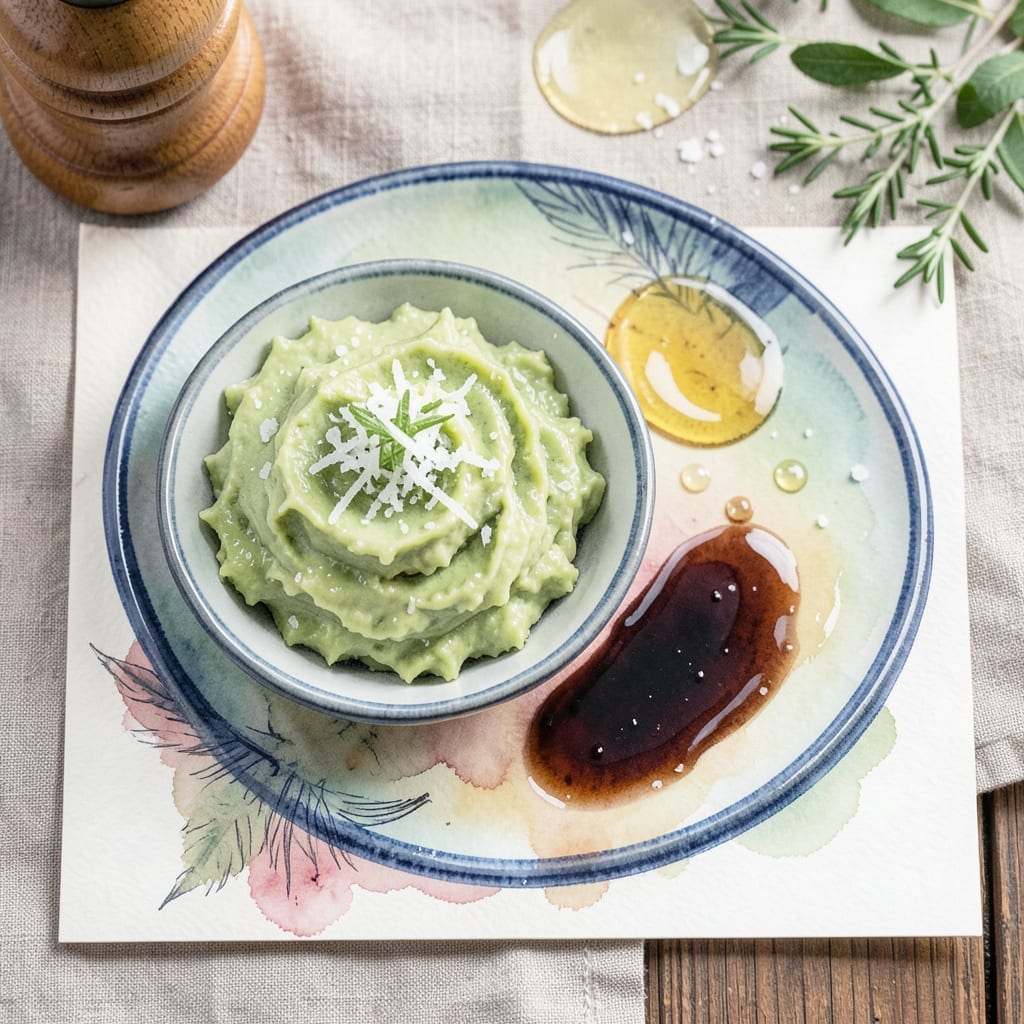
There’s nothing quite like the sharp, clean heat of fresh wasabi to elevate your dishes. This versatile condiment goes far beyond sushi accompaniment, adding a unique spicy kick to dressings, marinades, and even dips.
I developed this recipe to capture that authentic wasabi flavor without artificial additives. The secret lies in using real wasabi rhizome or high-quality powder, balanced with just enough liquid to create the perfect paste consistency.
What you’ll achieve is a vibrant green condiment with a heat that builds gently then fades quickly, leaving no lingering burn. It pairs beautifully with soy sauce for sushi or can transform a simple mayo into something extraordinary.
Make a small batch fresh when needed, as the flavor is most potent immediately after preparation. Here’s how to create this essential Japanese condiment at home.
Ingredients for Wasabi Recipe Ideas
Eight ingredients. Authentic Japanese heat. Better than any store-bought paste.
| Ingredient | Amount | Notes |
|---|---|---|
| Wasabi Rhizome 🌿 | 2 oz | Fresh, peeled and grated |
| Wasabi Powder 🌶️ | 2 tbsp | High-quality, as alternative |
| Water 💧 | 2 tsp | Room temperature, adjust as needed |
| Rice Vinegar 🍚 | 1 tsp | For tang and preservation |
| Soy Sauce 🫙 | ½ tsp | Low-sodium preferred |
| Agave Nectar 🍯 | ½ tsp | Vegan sweetener option |
| Lemon Juice 🍋 | ½ tsp | Freshly squeezed for brightness |
| Salt 🧂 | ¼ tsp | Fine sea salt |
The wasabi rhizome is non-negotiable for that real deal flavor. Asian markets often carry it fresh, but it’s pricey and perishable. S&B or Kinjirushi brands for powder are solid if fresh isn’t an option. Look for that vibrant green color—if it’s dull, it’s old. And remember, fresh wasabi loses its punch fast, so use it within 24 hours of grating.
No fresh rhizome? Wasabi powder works in a pinch—just mix with water and let it sit 10 minutes to develop flavor. Swap agave for maple syrup or skip it entirely if you prefer it sharp. The rice vinegar can be apple cider vinegar if that’s what you’ve got. For a creamier version, fold in some vegan mayo (but that’s a whole other recipe).
This paste is best used fresh but keeps in an airtight container for 1 week in the fridge. The flavor fades, so make small batches. If it dries out, a splash of water brings it back to life.
Why You’ll Love This Recipe
- 30-Second Mix: I grab wasabi powder, add a splash of water, and it’s ready—no fancy skills needed.
- Punchy Heat: That sharp, clean burn from fresh wasabi rhizome hits just right with soy sauce and rice vinegar.
- Dressing or Dip: I drizzle it over sushi one night, then use the leftovers as a marinade the next.
- Pantry Stretch: A tiny bit of powder or rhizome goes a long way, so I’m not restocking every week.
Step-by-Step Instructions for Homemade Wasabi
Here’s the method. Straightforward, tested, works every time.
Step 1: Grate the Fresh Wasabi Rhizome
Peel the 2 oz Wasabi Rhizome completely to remove the tough outer skin. I use a fine microplane grater for this—it produces the smoothest, most potent paste. Hold the rhizome at a slight angle and apply gentle pressure, grating in a downward motion.
Fresh wasabi is extremely pungent, so work in a well-ventilated area. You’ll notice the aroma intensifies as you grate. Collect all the grated paste into a small bowl. This fresh version will have a bright green color and a sharp, clean heat that dissipates quickly.
Step 2: Combine with Liquid Ingredients
To the grated rhizome, add the 2 tsp Water, 1 tsp Rice Vinegar, 0.5 tsp Soy Sauce, 0.5 tsp Agave Nectar, 0.5 tsp Lemon Juice, and 0.25 tsp Salt. Stir gently with a small spoon, pressing down slightly to help the liquids incorporate into the paste.
The mixture will start thick but should loosen as you stir. The rice vinegar adds tang while the agave nectar balances the heat with subtle sweetness. The soy sauce contributes umami depth that complements the wasabi’s natural sharpness perfectly.
Step 3: Rest for Optimal Flavor Development
Cover the bowl with plastic wrap and let it rest at room temperature for 10-15 minutes. This resting period allows the flavors to meld and the heat to mellow slightly. You’ll notice the color may darken a bit as the mixture sits.
I’ve found that fresh wasabi paste peaks in flavor after about 30 minutes but remains excellent for up to 2 hours if kept covered. The heat will be most intense immediately after grating, so taste carefully when first prepared.
Step 4: Adjust Consistency and Taste
After resting, check the consistency. If it’s too thick, add additional water 1/2 tsp at a time until it reaches your desired texture. Traditional wasabi paste should be smooth but not runny, with enough body to hold its shape when served with sushi.
Taste and adjust seasoning if needed. The balance should be hot but not overwhelming, with the sweet, tangy, and salty elements supporting rather than competing with the wasabi’s natural heat. Remember that the flavor will continue to develop as it sits.
Step 5: Serve or Store Properly
Transfer the wasabi to a small serving dish if using immediately. For storage, press plastic wrap directly against the surface to prevent oxidation, which can turn the paste brown and mute the flavor. Refrigerate for up to 3 days, though it’s best used within 24 hours for maximum potency.
When ready to use, give it a quick stir. The paste may separate slightly during storage, but this is normal. For the powder alternative, simply mix the 2 tbsp Wasabi Powder with the 2 tsp Water and let it sit for 10 minutes before using—the process is nearly identical.
Pro Tips For Making Wasabi Recipe Ideas
- Grate Fresh Only: I learned this the hard way—pre-grated wasabi loses its punch within 15 minutes, so grate the rhizome right before serving for that sharp, clean heat.
- Use Cold Water: When mixing wasabi powder, cold water is non-negotiable. Hot water kills the spiciness and turns it bitter.
- Skip Metal Bowls: Metal reacts with wasabi and dulls the flavor. Stick to ceramic or glass for mixing, especially with rice vinegar or soy sauce.
- Rest the Paste: After mixing wasabi powder with water, let it sit for 5-10 minutes—it actually changes the outcome, deepening the heat and aroma.
Regional Styles of wasabi recipe ideas
Traditional Japanese Style
In Japan, fresh wasabi rhizome is grated on a sharkskin grater for the finest texture. I use a microplane as a close substitute. The paste is typically served immediately with sushi, allowing the heat to shine without any additions. The key is using only 2 oz fresh rhizome and 2 tsp water for authenticity.
Tokyo Street Food
Tokyo food stalls often mix wasabi with a touch of soy sauce and rice vinegar for a tangy dip. I love this version with tempura or grilled skewers. The 0.5 tsp soy sauce and 1 tsp rice vinegar from our recipe create this exact balance. It’s sharp, bright, and utterly addictive. 🌟
Osaka Fusion
Osaka chefs sometimes blend wasabi into mayonnaise for a creamy spicy spread. Fold 1 tbsp vegan mayo into your prepared paste for sandwiches or fries. The heat mellows slightly, making it more approachable while keeping that signature kick.
Kyoto Refined
In Kyoto, wasabi is often sweetened with a hint of agave nectar to complement delicate flavors. Our recipe’s 0.5 tsp agave mirrors this tradition. It pairs beautifully with sashimi or lightly seasoned dishes.
Modern Western Twist
For a contemporary take, mix your wasabi paste with lemon juice and a pinch of salt. The 0.5 tsp lemon juice and 0.25 tsp salt in our recipe brighten the heat, making it perfect for dressings or marinades. I love this on grilled vegetables. 💡
Nutrition Facts
Frequently Asked Questions
Can I use horseradish instead of wasabi?
Not recommended. Horseradish has a different, more bitter heat that lingers. True wasabi offers a clean, quick burn that’s essential for authentic flavor.
How long does homemade wasabi last?
Fresh paste keeps for 24 hours at peak potency in the fridge. For powder-based versions, it stays good for 1 week in an airtight container.
Why did my wasabi turn brown?
Oxidation causes browning. Press plastic wrap directly on the surface to prevent air exposure. The flavor fades as it darkens.
What’s the best way to serve it?
Traditionally with sushi, but try mixing with mayo for sandwiches or adding to dressings. A small amount goes a long way!

- BBQ Sausage Recipe Oven: Smoky Depth Without the Grill - September 28, 2026
- BBQ Chicken Bowl Recipe Rice: Smoky Sweetness Over Fluffy Grains - September 28, 2026
- Beef Cutlet Recipe Ideas: Crispy Breaded Patties With Bold Seasonings - September 28, 2026