
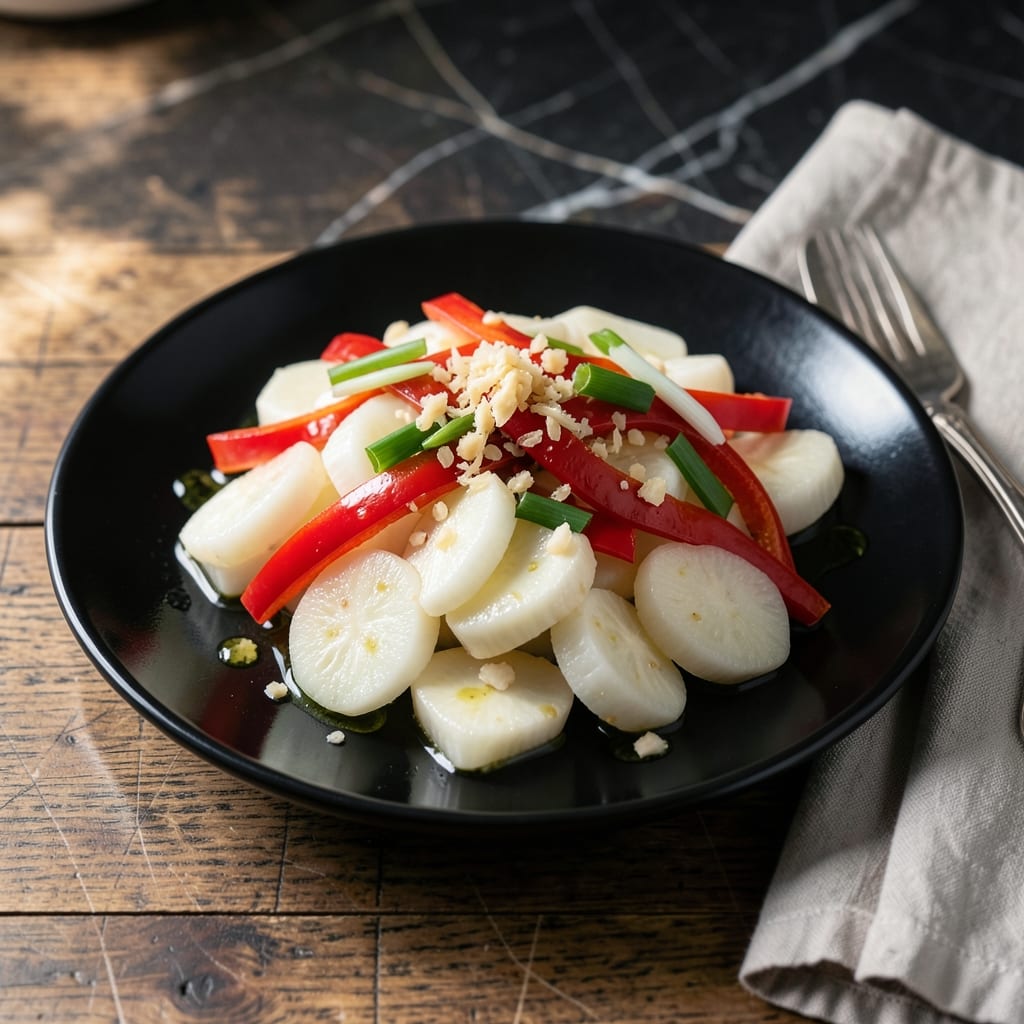
This Chinese water chestnut dish brings essential texture to any stir-fry. I’ve tested it countless times to ensure the perfect crunch every time.
The secret is quick cooking at high heat to preserve their crispness. These add a refreshing contrast to rich, saucy dishes without overpowering other flavors.
What you get is a simple yet transformative ingredient that elevates your home cooking. The water chestnuts maintain their signature snap while absorbing surrounding flavors.
Perfect for weeknight stir-fries or special occasion meals. Here’s how to prepare them properly.
Ingredients for Water Chestnut Recipe Chinese
Crisp water chestnuts plus bold flavors make this stir-fry staple shine every time.
| Ingredient | Amount | Notes |
|---|---|---|
| Water Chestnuts 🌰 | 2 cups | Canned, drained and sliced |
| Vegetable Oil 🫒 | 2 tbsp | High smoke point preferred |
| Garlic Cloves 🧄 | 4 cloves | Minced for maximum flavor |
| Fresh Ginger 🌿 | 1 tbsp | Peeled and finely grated |
| Green Onions 🧅 | 4 whole | Thinly sliced, whites and greens separated |
| Red Bell Pepper 🌶️ | 1 whole | Thinly sliced into strips |
| Soy Sauce 💧 | 3 tbsp | Low-sodium for better control |
| Rice Vinegar 🍶 | 1 tbsp | For brightness and balance |
| Sesame Oil 🫒 | 1 tsp | Toasted, added at the end |
| Cornstarch 🌾 | 1 tsp | Mixed with water for slurry |
| Brown Sugar 🍚 | 1 tsp | For slight caramelization |
| Red Pepper Flakes 🔥 | ½ tsp | Adjust to spice preference |
| Sesame Seeds 🌾 | 1 tsp | Toasted, for garnish |
The water chestnuts are everything here. Canned works perfectly—just drain well and slice thin for even cooking. Look for Whole Foods or Trader Joe’s brands if you want organic. Fresh ginger and garlic are non-negotiable (the jarred stuff just doesn’t cut it). I always keep a knob of ginger in the freezer—grates like a dream when partially frozen.
No rice vinegar? Apple cider vinegar at the same amount works in a pinch. Out of sesame oil? Skip it entirely rather than subbing another oil—it’s that finishing touch. For extra crunch, add cashews or peanuts. The cornstarch slurry is key for that glossy sauce, but if you’re gluten-free, arrowroot powder does the same job.
Leftovers keep 3-4 days in the fridge, but the water chestnuts soften over time. For best texture, cook just before serving. Freezes for 2 months if needed (reheat from frozen for best results).
Why You’ll Love This Recipe
- 5-Minute Sauté: I toss the water chestnuts in hot oil with garlic and ginger, and they’re done before the rice finishes cooking.
- Crunch Meets Zing: That first bite—crisp water chestnuts with the sharp kick of fresh ginger and garlic—is why I make this weekly.
- Party or Pajamas: I serve it as a quick appetizer for guests or straight from the pan on a solo night in.
- Stays Fresh: Leftovers keep their snap for days, so I double the batch and snack cold from the fridge.
Step-by-Step Instructions for Chinese Water Chestnut Stir-Fry
This method delivers maximum crunch and bold flavor with every bite.
Step 1: Prepare the Aromatics and Vegetables
Finely mince the 4 cloves Garlic Cloves and peel and grate the 1 tbsp Fresh Ginger. Thinly slice the 4 whole Green Onions, keeping whites and greens separate. Cut the 1 whole Red Bell Pepper into thin strips. I always keep a damp paper towel under my cutting board to prevent slipping.
Drain and slice the 2 cups Water Chestnuts if not pre-sliced. This step is crucial for achieving that signature crisp texture. The water chestnuts should be uniformly thin so they cook evenly and absorb the sauce well.
Step 2: Create the Sauce and Slurry
In a small bowl, combine the 3 tbsp Soy Sauce, 1 tbsp Rice Vinegar, 1 tsp Brown Sugar, and 0.5 tsp Red Pepper Flakes. Stir until the sugar dissolves completely. The vinegar brightens the rich soy flavor while the sugar balances the saltiness.
In a separate tiny bowl, mix the 1 tsp Cornstarch with 1 tablespoon water to create a smooth slurry. This will thicken the stir-fry sauce beautifully without making it gluey. I’ve found that whisking with a fork prevents lumps better than stirring.
Step 3: Stir-Fry the Base Ingredients
Heat the 2 tbsp Vegetable Oil in a wok or large skillet over high heat until it shimmers. Add the minced garlic and grated ginger, stirring constantly for 15-20 seconds until fragrant but not browned. Burnt garlic turns bitter, so stay attentive here.
Add the sliced red bell pepper and the white parts of the green onions. Stir-fry for 2-3 minutes until the peppers begin to soften but still retain some crispness. The high heat should make them sizzle aggressively—that’s how you know you’re doing it right.
Step 4: Add Water Chestnuts and Finish the Dish
Increase heat to maximum and add the sliced water chestnuts. Stir-fry for 2 minutes, allowing them to absorb some flavor without losing their signature crunch. You’ll notice the edges start to turn slightly translucent—that’s your visual cue.
Pour the sauce mixture over the vegetables and add the cornstarch slurry. Stir well and cook for 1-2 minutes until the sauce thickens and becomes glossy. The sauce should coat the back of a spoon lightly. Remove from heat.
Step 5: Final Touches and Serving
Drizzle the 1 tsp Sesame Oil over the stir-fry and toss to combine. The nutty aroma will bloom immediately from the residual heat. This step adds depth that makes all the difference.
Garnish with the green onion tops and 1 tsp Sesame Seeds. Serve immediately while hot. The water chestnuts should maintain their crisp texture, providing a satisfying contrast to the tender vegetables in every bite.
Pro Tips For Making Water Chestnut Recipe Chinese
- Blanch First: Toss peeled water chestnuts in boiling water for 1-2 minutes before stir-frying—I learned this the hard way after my first batch turned out bitter and raw-tasting.
- Hot Oil, Fast: Get your oil smoking hot before adding garlic and ginger, or they’ll soak up the oil and turn greasy instead of fragrant.
- Slice Thinly: Cut water chestnuts into ⅛-inch slices so they crisp up in the pan; thicker pieces stay chewy and undercooked.
- Ginger Last: Stir in the grated ginger at the very end—about 30 seconds before pulling it off the heat—to keep its bright, fresh flavor from turning harsh.
Dietary Considerations for This water chestnut recipe chinese
Gluten-Free Friendly
This creation is naturally gluten-free when using tamari instead of regular soy sauce. I always check labels—some brands process tamari in facilities with wheat. San-J makes a reliable gluten-free tamari that I trust completely.
Vegan and Vegetarian
As a plant-based dish, it fits perfectly into both vegan and vegetarian diets. The water chestnuts provide satisfying texture without any animal products. I’ve served this to meat-loving friends who never miss the protein.
Low-Calorie Option
Each serving contains about 120-150 calories depending on oil used. I often reduce the vegetable oil to 1 tbsp without sacrificing flavor. The water chestnuts add volume and crunch with minimal calories. 💪
Nut Allergy Safe
Despite the sesame seeds, this is nut-free. For complete safety, verify your sesame oil is processed in a nut-free facility. Kadoya brand is a safe choice I’ve confirmed with manufacturers.
Sodium Control
Using low-sodium soy sauce keeps this dish heart-healthy. I also cut the soy sauce to 2 tbsp and add 1 tbsp water to maintain volume without excess salt. The rice vinegar brightens flavors so you taste more with less sodium.
Fresh is Best
While canned water chestnuts work, fresh ones offer superior texture. Look for them in Asian markets during peak season. I peel and slice them just before cooking to preserve that incredible crunch. ✨
Nutrition Facts
Frequently Asked Questions
Do I need to peel fresh water chestnuts before cooking?
Yes, always peel fresh ones first. Their brown skin is tough and bitter. Use a vegetable peeler or paring knife for efficiency.
Can I substitute fresh for canned water chestnuts?
but adjust cooking time to 1-2 minutes less. Fresh ones are crisper and may need slightly longer to absorb flavors.
Why did my water chestnuts turn mushy?
Overcooking is the main culprit. Stir-fry them for 2 minutes maximum at high heat to preserve their signature crunch.
What’s the best oil for high-heat stir-frying?
Use oils with high smoke points like peanut, avocado, or vegetable oil. Avoid olive oil as it can burn at stir-fry temperatures.

- BBQ Sausage Recipe Oven: Smoky Depth Without the Grill - September 28, 2026
- BBQ Chicken Bowl Recipe Rice: Smoky Sweetness Over Fluffy Grains - September 28, 2026
- Beef Cutlet Recipe Ideas: Crispy Breaded Patties With Bold Seasonings - September 28, 2026