
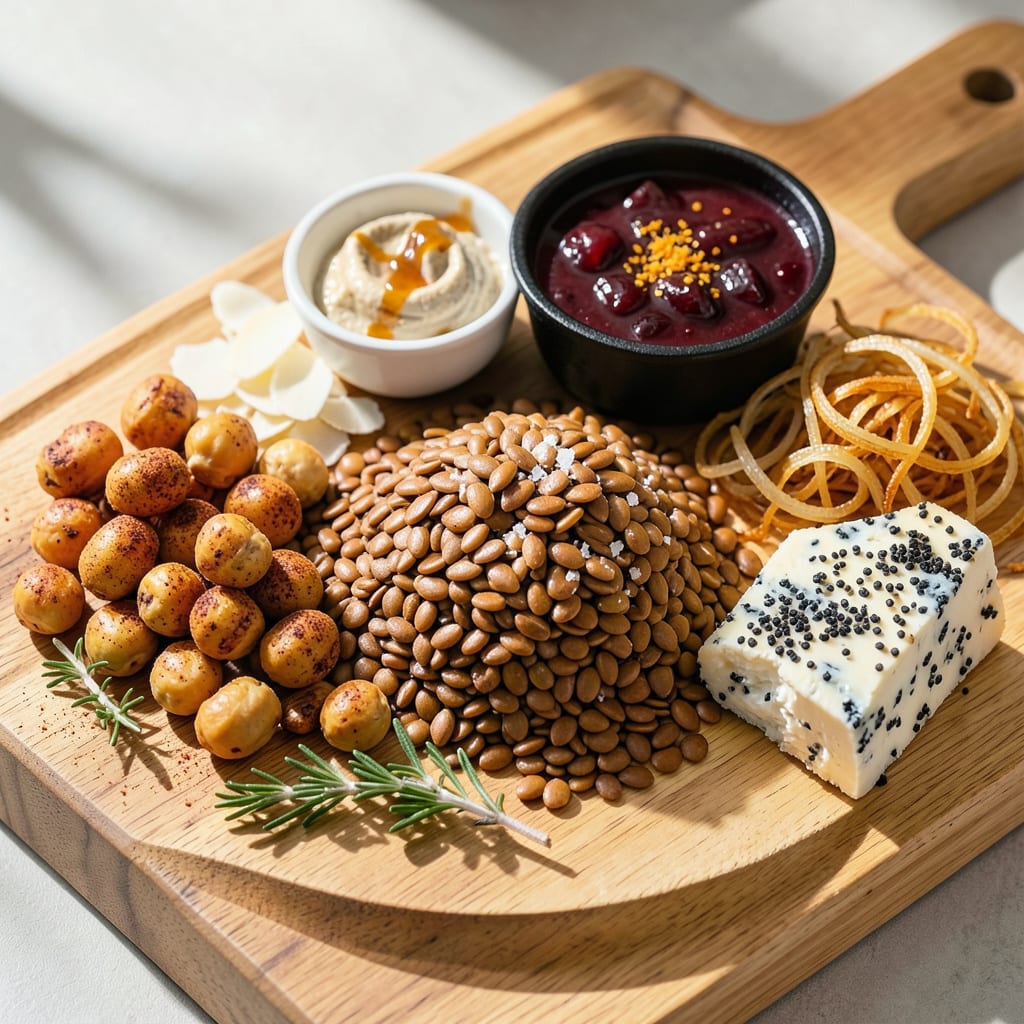
Seeds (sunflower, pumpkin, sesame), oats, pretzels, or toasted coconut work well for texture. For binding, try breadcrumbs or crushed cereal. Allergies may require seed-free options like dried fruit or crispy rice.
I’ve found that the key to successful nut substitutions lies in matching both texture and function. 🔥 Crunchy toppings like toasted coconut or pretzels deliver that satisfying bite, while oats and breadcrumbs excel at absorbing moisture—just like ground nuts would in baked goods. For those avoiding seeds entirely, crispy rice adds airy crunch without allergens, and dried fruits like raisins or cranberries contribute natural sweetness plus chewy texture.
What really makes these swaps work is understanding their unique properties. Seeds bring healthy fats and protein similar to nuts, while crushed cereal offers lightweight crispness perfect for coatings. I always recommend testing small batches first, since moisture levels and baking times may need slight adjustments when using these alternatives.
💡 In This Article
- How Nut Substitutes Work in Different Recipe Types
- Best Nut-Free Substitutes for Common Allergies and Diets
How Nut Substitutes Work in Different Recipe Types
The secret to successful nut substitution lies in matching both texture and moisture absorption. Seeds like sunflower or pumpkin mimic nutty crunch because their cell walls contain similar fibrous structures that stay crisp when toasted. When ground, these seeds release oils that create a fat content comparable to nuts—about 12-15%—giving baked goods that rich mouthfeel.
The key difference is their smaller size, which means you’ll want to use 25% more volume to achieve the same textural impact.
For moisture-heavy recipes like quick breads or energy bars, oats and breadcrumbs shine because of their starch composition. Rolled oats absorb 3-4 times their weight in liquid, similar to how ground almonds would in frangipane.
I’ve found that 1 cup of oat flour replaces 1 cup of almond meal perfectly in muffins, though you may need to add 1-2 tablespoons extra liquid since oats absorb more aggressively. The beta-glucan fibers in oats also create a gel-like structure when hydrated, which helps bind ingredients together.
When you need crispy coatings or toppings, the science changes entirely. Pretzels and toasted coconut work because of their low moisture content (3-5%) and high surface area.
A 1:1 ratio of crushed pretzels to chopped nuts gives that salty crunch in coatings, while coconut flakes (toasted at 325°F for 8-10 minutes) develop caramelized notes that mimic toasted nuts. The Maillard reaction occurs at similar temperatures for both, creating those deep, nutty flavors without actual nuts.
For binding applications like veggie burgers or meatballs, breadcrumbs and crushed cereal act as structural agents through their gluten content and porous texture. A standard 1/4 cup breadcrumbs replaces 2 tablespoons nut butter in binding mixtures.
The starches gelatinize when heated, creating a matrix that holds ingredients together—just like nut butters would, but with a lighter texture. For gluten-free needs, crispy rice cereal (ground to fine crumbs) provides structure through its puffed starch cells that interlock when compressed.
Dried fruits bring a completely different science to the table. Their high fructose content (30-40% in raisins) creates hygroscopic properties that attract and hold moisture, preventing dryness in baked goods. When chopped to pea-sized pieces, 1/2 cup dried fruit replaces 1/3 cup chopped nuts in cookies or granola.
The pectin in fruits also acts as a natural binder, though you’ll want to reduce other liquids by 10-15% to compensate for the added fruit moisture.
What most people overlook is how temperature affects these substitutes. Seeds and coconut can burn 30-40°F faster than nuts due to their higher oil content on the surface. I always recommend lowering oven temps by 25°F when using these alternatives, and checking doneness 5-7 minutes earlier than the original recipe suggests.
This prevents that bitter, acrid flavor that develops when plant oils overheat.
The flavor chemistry changes too when you remove nuts. Toasted seeds develop pyrazines—the same compounds that give nuts their roasted flavor—but at different concentration levels. A quick fix is adding 1/4 teaspoon smoked paprika or 1/8 teaspoon cinnamon to your substitute to boost those warm, nutty notes that might be missing.
This works particularly well in granola or crust recipes where nuts would normally provide that depth of flavor.

- BBQ Sausage Recipe Oven: Smoky Depth Without the Grill - September 28, 2026
- BBQ Chicken Bowl Recipe Rice: Smoky Sweetness Over Fluffy Grains - September 28, 2026
- Beef Cutlet Recipe Ideas: Crispy Breaded Patties With Bold Seasonings - September 28, 2026