
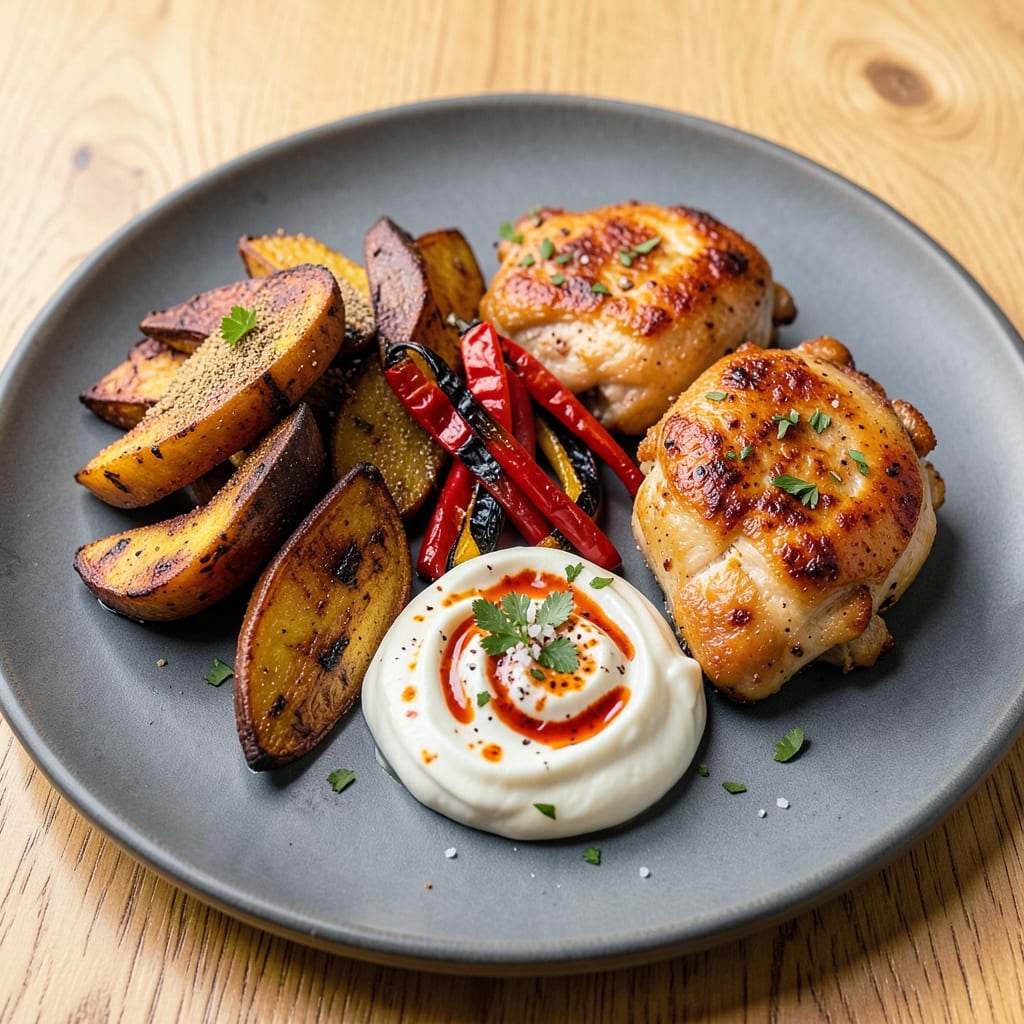
For paprika substitutes, use smoked or sweet options like cayenne (spicy), chili powder (milder), or ground cumin (earthy). For color without heat, try turmeric or annatto. Adjust ratios based on desired flavor intensity.
I love how versatile these swaps can be in different dishes. The key is matching the substitute to your recipe’s needs—whether you’re after a smoky depth for grilled meats or just need that signature reddish hue for garnishing. For example, I often reach for chili powder in Tex-Mex dishes because its blend of spices mimics paprika’s complexity, while turmeric works wonders in rice dishes where color matters more than heat. ✨
Remember that heat levels vary dramatically between options. A ¼ teaspoon of cayenne packs the same punch as 1 teaspoon of sweet paprika, so I always recommend starting with half the amount and adjusting to taste. This approach prevents overpowering your dish while still delivering the flavor profile you’re aiming for. 🔥
💡 In This Article
- How Paprika Substitutes Compare in Flavor and Heat
- Best Paprika Substitutes for Specific Dishes
How Paprika Substitutes Compare in Flavor and Heat
Paprika’s magic comes from its balance of sweetness, smokiness, and mild heat – all derived from dried, ground red peppers. The Scoville scale helps explain why substitutes behave so differently: sweet paprika sits at 0-1,000 SHU while cayenne explodes at 30,000-50,000 SHU.
This 50x heat difference means you’ll need just 1/8 teaspoon cayenne to match 1 teaspoon paprika’s warmth. The flavor compounds also vary dramatically – paprika contains more fruity esters, while cayenne brings aggressive capsaicin forward. 🔥
Chili powder offers the closest 1:1 substitute because it typically contains 30-50% ground chili peppers blended with cumin, garlic, and oregano. This complex profile makes it ideal for Mexican and Southwestern dishes where paprika would normally play a supporting role.
For smoked paprika specifically, chipotle powder delivers that campfire essence through dried, smoked jalapeños – though it packs 2,500-8,000 SHU compared to smoked paprika’s gentle 1,000 SHU maximum. The smokiness comes from lignins in the pepper skins breaking down during the smoking process. ✨
When color matters more than flavor, turmeric becomes your best friend. Its curcumin compound provides that golden-yellow hue (though not red) and actually has anti-inflammatory properties. Annatto seeds offer a more neutral orange-red tint without altering flavor, making them perfect for dishes where you want visual impact without taste interference.
Both work beautifully in rice dishes, sauces, and marinades where they won’t overpower other ingredients. 🌟
The earthy alternatives like cumin and coriander take a different approach by complementing rather than replicating paprika’s profile. Cumin’s cuminaldehyde compound gives that warm, nutty base that works particularly well in Middle Eastern and Indian cuisines. For every 1 teaspoon paprika, I recommend ½ teaspoon cumin plus ½ teaspoon sweet chili powder to maintain balance.
The combination creates a more complex flavor foundation that can actually enhance some dishes beyond what paprika alone would provide. ⚡
Here’s what most home cooks overlook: the fat solubility of these spices changes how they behave in cooking. Paprika’s pigments dissolve beautifully in oils, which is why it blooms so well in Hungarian goulash or Spanish sofrito. Turmeric, however, is water-soluble – meaning it distributes differently in broths versus oil-based sauces.
This chemical behavior explains why some substitutes work better in certain applications than others, and why you might need to adjust your cooking method slightly when making the swap. 💫
For the most accurate substitution, consider your dish’s dominant flavors. In meat rubs, smoked paprika’s replacement should have similar lignin content (chipotle works best). For creamy sauces, sweet paprika’s fruity notes can be mimicked with a blend of sweet chili powder and a pinch of cinnamon.
The science of flavor pairing shows that compounds with similar molecular structures create harmonious substitutions – which is why cumin and paprika often work interchangeably in spice blends despite their different origins. 💛

- Beef Cutlet Recipe Ideas: Crispy Breaded Patties With Bold Seasonings - September 28, 2026
- Bluefin Tuna Recipe Ideas: Sushi-Grade Seared and Sesame-Crusted - September 28, 2026
- Blue Zone Recipe Ideas: Longevity-Boosting Meals for Vibrant Living - September 28, 2026