
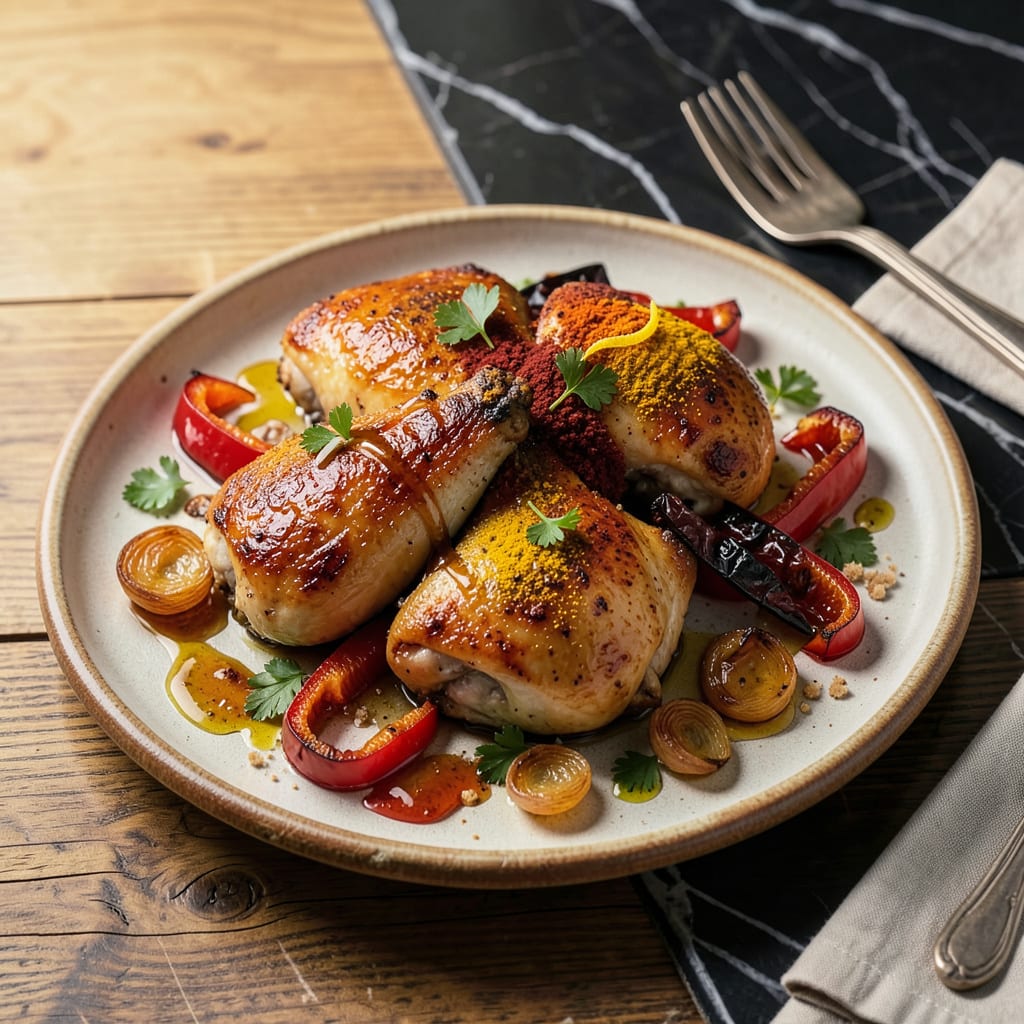
For paprika substitutes, use cayenne (1:8 ratio) for heat, smoked salt for depth, or mild options like chili powder, cumin, or turmeric (1:1 ratio). Adjust quantities based on desired flavor intensity and color needs.
The right swap depends on what role paprika plays in your dish. 🔥 If you’re after that signature smoky warmth, I’d reach for chipotle powder or smoked salt—both deliver depth without overwhelming. For vibrant color, annatto or turmeric work wonders, though turmeric adds an earthy note that might shift the flavor profile slightly. Remember that cayenne brings serious heat, so start with a fraction of what the recipe calls for and taste as you go.
What’s fascinating is how these substitutes interact with other ingredients. Smoked options like chipotle complement rich meats beautifully, while milder choices like cumin blend seamlessly into spice mixes. The key is matching the substitute’s intensity to your dish’s flavor foundation—sometimes less really is more when experimenting with new seasonings. ✨
💡 In This Article
- How Paprika Substitutes Affect Flavor and Color
- Best Paprika Substitutes for Specific Dishes
How Paprika Substitutes Affect Flavor and Color
The magic of paprika lies in its dual role as both a flavor enhancer and a visual element. Regular paprika contains 1-3% capsaicin (the compound that creates heat) and carotenoids that provide its signature red-orange hue. When you swap it out, you’re not just replacing taste—you’re altering the entire sensory experience of the dish.
Cayenne, for instance, packs 30,000-50,000 Scoville units compared to paprika’s mere 250-1,000, which is why that 1:8 ratio is so critical for heat balance. 🔥
Color chemistry plays a huge role in substitute selection. Turmeric contains curcuminoids that deliver a golden-yellow tone rather than paprika’s red, while annatto seeds provide a nearly identical orange-red pigment thanks to their bixin content.
Smoked salt won’t contribute color at all, but its phenolic compounds from the smoking process create that deep, woodsy aroma that mimics smoked paprika’s complexity. The particle size matters too—fine powders like chili powder disperse color more evenly than coarse options. ✨
Flavor profiles shift dramatically based on the substitute’s chemical makeup. Cumin brings cuminaldehyde, which gives that warm, nutty quality, while coriander (often found in chili powder blends) adds citrusy notes. Smoked options like chipotle contain guaiacol and syringol—the same compounds found in wood smoke—that create that campfire-like depth.
What’s fascinating is how these compounds interact with fats: smoked spices bloom beautifully in oils, while earthy spices like turmeric need liquid to fully release their flavors. 💫
The cooking method changes everything. Dry heat (like in rubs) intensifies smoked flavors but can burn delicate spices like turmeric at temperatures above 325°F. Wet cooking (stews, sauces) allows substitutes to meld more gradually—this is where cayenne’s heat can be better controlled.
For garnishes where color is paramount, I’ve found that mixing a pinch of turmeric with beet powder (1:4 ratio) creates a surprisingly authentic red hue without altering flavor significantly. 🌟
Here’s what most people overlook: the volatility of these compounds. Paprika’s flavor compounds degrade at 250°F, which is why it’s often added late in cooking. Cayenne’s capsaicin is more heat-stable, while turmeric’s color fades in alkaline environments (like when combined with baking soda).
This means your substitute choice should consider not just the final dish, but the entire cooking journey—from prep to plating. ⚡
Consider these sensory impacts when choosing:
- Cayenne: Intense heat with minimal color change; best for liquid dishes where heat can distribute evenly
- Smoked salt: Deep umami without color; ideal for meats where you want crust development
- Annatto: Vibrant orange-red color with mild flavor; perfect for rice dishes or garnishes
- Chili powder: Balanced heat and color; contains multiple spices that create complexity

- BBQ Sausage Recipe Oven: Smoky Depth Without the Grill - September 28, 2026
- BBQ Chicken Bowl Recipe Rice: Smoky Sweetness Over Fluffy Grains - September 28, 2026
- Beef Cutlet Recipe Ideas: Crispy Breaded Patties With Bold Seasonings - September 28, 2026