
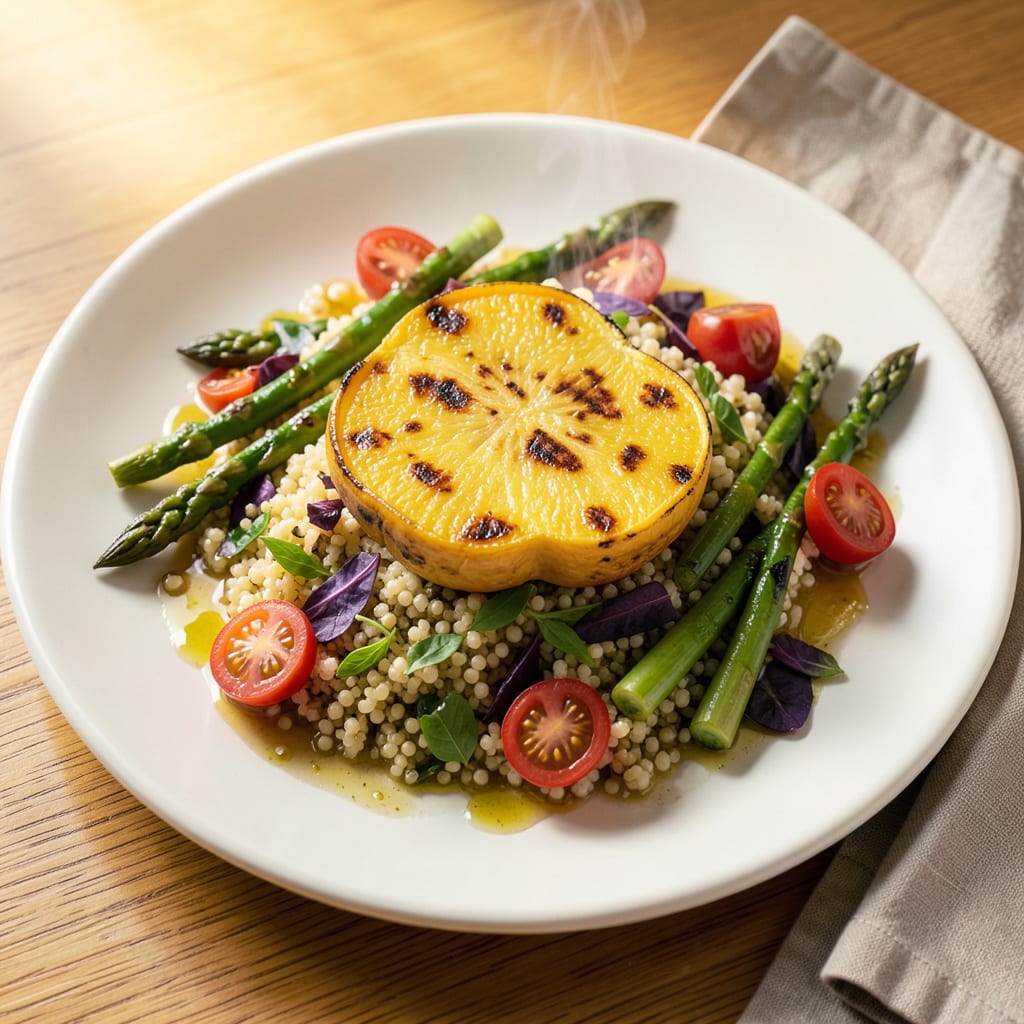
Yellow squash, cucumber, or eggplant work best as zucchini substitutes due to similar texture and mild flavor. For baking, applesauce or shredded carrots can replace moisture and bulk effectively.
The key to successful swaps lies in matching both texture and moisture content to your dish’s needs. 🔥 Vegetables like pattypan squash or chayote mirror zucchini’s crisp-tender bite when sautéed, while eggplant’s spongy nature absorbs flavors beautifully in ratatouille or casseroles. For baked goods, I’ve found that unsweetened applesauce adds tenderness without altering the crumb structure, though you may need to reduce other liquids slightly. The right substitute depends entirely on whether your recipe relies on zucchini’s structural integrity or simply its moisture contribution.
💡 In This Article
- How Different Zucchini Substitutes Affect Recipe Texture
- Best Zucchini Substitutes for Savory vs. Sweet Recipes
How Different Zucchini Substitutes Affect Recipe Texture
The secret to successful substitution lies in understanding how each vegetable’s cellular structure responds to heat. Zucchini’s high water content (95%) and soft flesh break down quickly when cooked, which is why summer squashes like yellow squash (94% water) mimic its behavior so well.
🔥 Their similar pectin structure means they’ll soften at comparable rates—about 5-7 minutes when sautéed over medium-high heat—without turning mushy or releasing excessive liquid.
Eggplant behaves differently due to its spongy, air-pocket-filled flesh that absorbs oils and liquids like a culinary sponge. When substituting in dishes like ratatouille or stir-fries, you’ll need to salt and drain eggplant first (using 1 tsp salt per pound for 30 minutes) to prevent a watery final product. The tradeoff?
Eggplant’s meatier texture holds up better in long-cooked dishes where zucchini might disintegrate, though it requires 2-3 extra minutes of cooking time to reach similar tenderness.
For raw applications like salads, cucumber’s crisp texture comes from its thick peel and seed gel structure. Unlike zucchini, cucumbers maintain their shape when dressed thanks to enzymes that resist softening. 💫 The catch: cucumbers release 20% more water when salted, so I recommend seeding them first and patting dry.
Their cooler temperature also makes them ideal for quick pickles or cold dishes where you want to preserve crunch.
Baking presents unique challenges where moisture and structure matter most. Applesauce works because its pectin content (1.2-1.5g per cup) binds water similarly to zucchini’s fiber matrix. The difference? Applesauce adds natural sugars that caramelize at 320°F, potentially darkening baked goods faster.
Shredded carrots, while lower in moisture (88% water), contribute beta-carotene that can slightly orange your final product—something to consider for vanilla-colored cakes.
Here’s what most people overlook about fiber structure: zucchini’s thin cell walls collapse uniformly when heated, while substitutes like chayote (with its firmer flesh) require 1-2 extra minutes of cooking to reach the same tenderness.
The fiber bundles in pattypan squash run circularly, making it hold shapes better for grilling or stuffing—ideal when you need visual appeal alongside similar texture. ✨
Pro tip for stir-fries: Cut all substitutes into ¼-inch thick pieces regardless of type. This standard size ensures even cooking since:
- Yellow squash: Cooks in 4-5 minutes (similar to zucchini)
- Eggplant: Needs 6-7 minutes for full tenderness
- Chayote: Requires 5-6 minutes with occasional stirring
The moisture math matters most in fritters or breads.
Zucchini releases about ½ cup liquid per 2 cups shredded when salted. Applesauce provides similar moisture but lacks the structural fiber, so you may need 1-2 tbsp extra flour to compensate.
Carrots, being drier, work best when combined with 2 tbsp added water or milk per cup of shreds to match zucchini’s hydrating properties in batters. 🌟

- BBQ Sausage Recipe Oven: Smoky Depth Without the Grill - September 28, 2026
- BBQ Chicken Bowl Recipe Rice: Smoky Sweetness Over Fluffy Grains - September 28, 2026
- Beef Cutlet Recipe Ideas: Crispy Breaded Patties With Bold Seasonings - September 28, 2026