
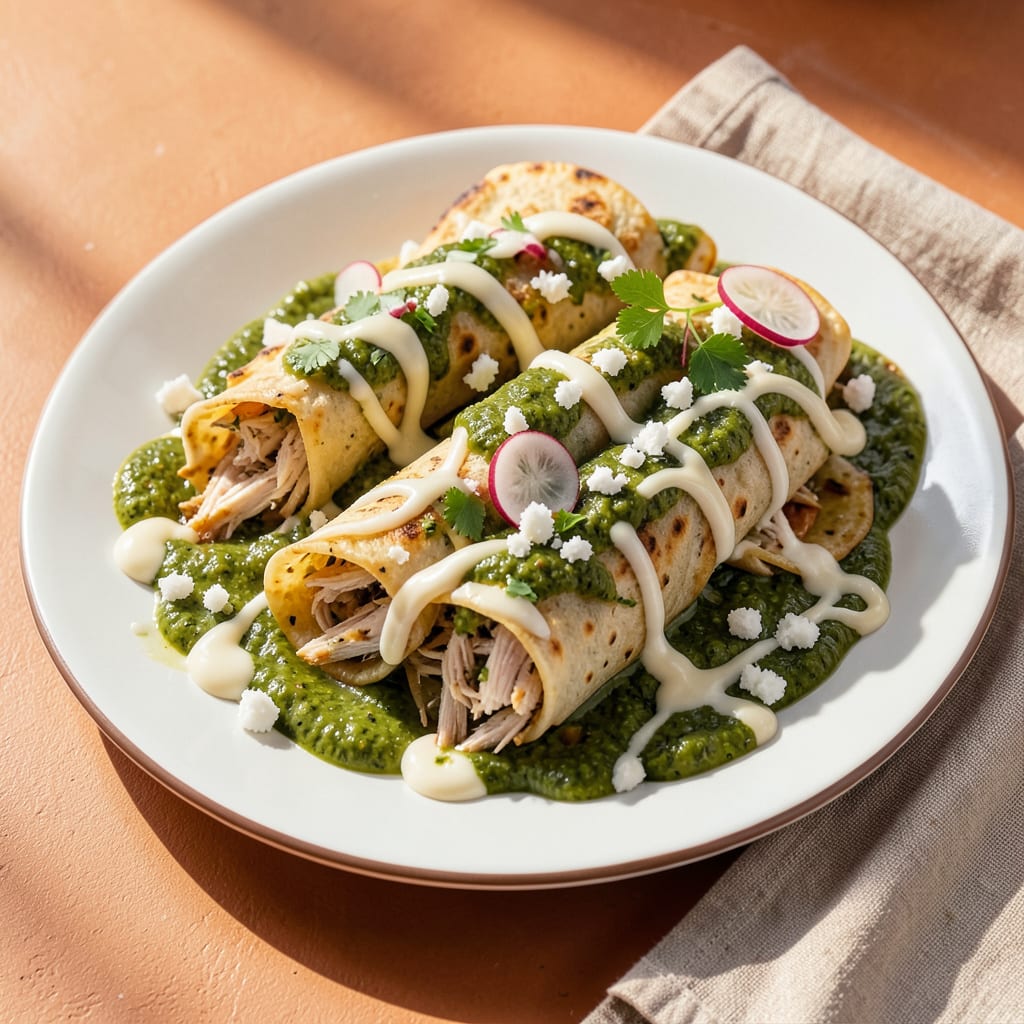
Table cream is a light, shelf-stable dairy product with about 18-30% milkfat, thicker than half-and-half but lighter than heavy cream. It’s commonly used in Mexican and Latin American recipes for sauces, soups, and desserts without curdling when heated.
This versatile ingredient bridges the gap between light and heavy creams, making it a kitchen workhorse in many traditional dishes. 🔥 I love how it adds richness without overwhelming flavors—perfect for balancing spicy salsas or creating velvety textures in custards. Unlike heavy cream, its lower fat content means you can simmer it longer without separation, which is why it’s the secret to smooth queso fundido or crema poblana. The shelf-stable versions (often sold as media crema) are ultra-convenient for pantry cooking.
💡 In This Article
- How Table Cream Differs from Heavy Cream and Half-and-Half
- Best Ways to Use Table Cream in Cooking and Baking
How Table Cream Differs from Heavy Cream and Half-and-Half
The magic of table cream lies in its unique fat structure. With 18-30% milkfat, it sits perfectly between half-and-half (10-18% fat) and heavy cream (36-40% fat). This middle-ground fat content creates a viscosity that’s thick enough to coat ingredients but light enough to pour smoothly.
The emulsifiers added during processing (often carrageenan or guar gum) help stabilize the fat molecules, preventing separation when heated—a game-changer for sauces that require long simmering. 🔥
What sets table cream apart is its remarkable heat stability. While heavy cream can break and curdle at sustained high temperatures, table cream maintains its smooth consistency up to 180°F for extended periods.
This makes it ideal for Mexican salsas verdes or crema poblana, where the cream is often simmered with acidic ingredients like tomatoes or lime juice. Unlike half-and-half, which can thin out and separate when boiled, table cream holds its body and richness throughout cooking.
The regional variations tell an interesting story. In Mexico and Latin America, you’ll find media crema (often sold in shelf-stable cans), while U.S. versions like Nestlé’s table cream come in refrigerated cartons. The canned versions typically have slightly higher fat content and added stabilizers for longer shelf life.
I’ve noticed the canned varieties have a subtly sweeter profile, while refrigerated versions taste more neutral—similar to how evaporated milk compares to fresh whole milk.
For bakers, table cream offers a secret weapon. Its lower fat content than heavy cream means baked goods develop a tender crumb without being overly dense. In tres leches cake, it absorbs beautifully into the sponge while keeping the texture light.
The protein content (about 3.5%) also contributes to structure in custards and flans, giving them a silky yet stable set that won’t weep like some heavy cream-based desserts.
Here’s what most people don’t realize: the processing method creates microscopic fat globules that are smaller and more uniformly distributed than in heavy cream. This gives table cream its signature velvety mouthfeel and makes it less likely to form skin when stored.
When you compare it side-by-side with heavy cream in coffee, you’ll notice table cream disperses more evenly without that oily film on top. ✨
One practical advantage I appreciate is its versatility in substitutions. You can often replace heavy cream with table cream in a 1:1 ratio for sauces, though you might need to reduce simmering time slightly. For half-and-half substitutions, use about 25% less table cream to account for its richer texture.
The key is watching the consistency—table cream thickens more dramatically when reduced due to its stabilizers.
Pro tip: When using table cream in hot applications, temper it by gradually adding hot liquid to the cold cream before combining. This prevents any potential shock separation, though I’ve found table cream forgives minor temperature abuses better than any other dairy product in my kitchen.
The stabilizers work so well that I’ve successfully reheated cream-based soups multiple times without breaking! 💫

- BBQ Sausage Recipe Oven: Smoky Depth Without the Grill - September 28, 2026
- BBQ Chicken Bowl Recipe Rice: Smoky Sweetness Over Fluffy Grains - September 28, 2026
- Beef Cutlet Recipe Ideas: Crispy Breaded Patties With Bold Seasonings - September 28, 2026