
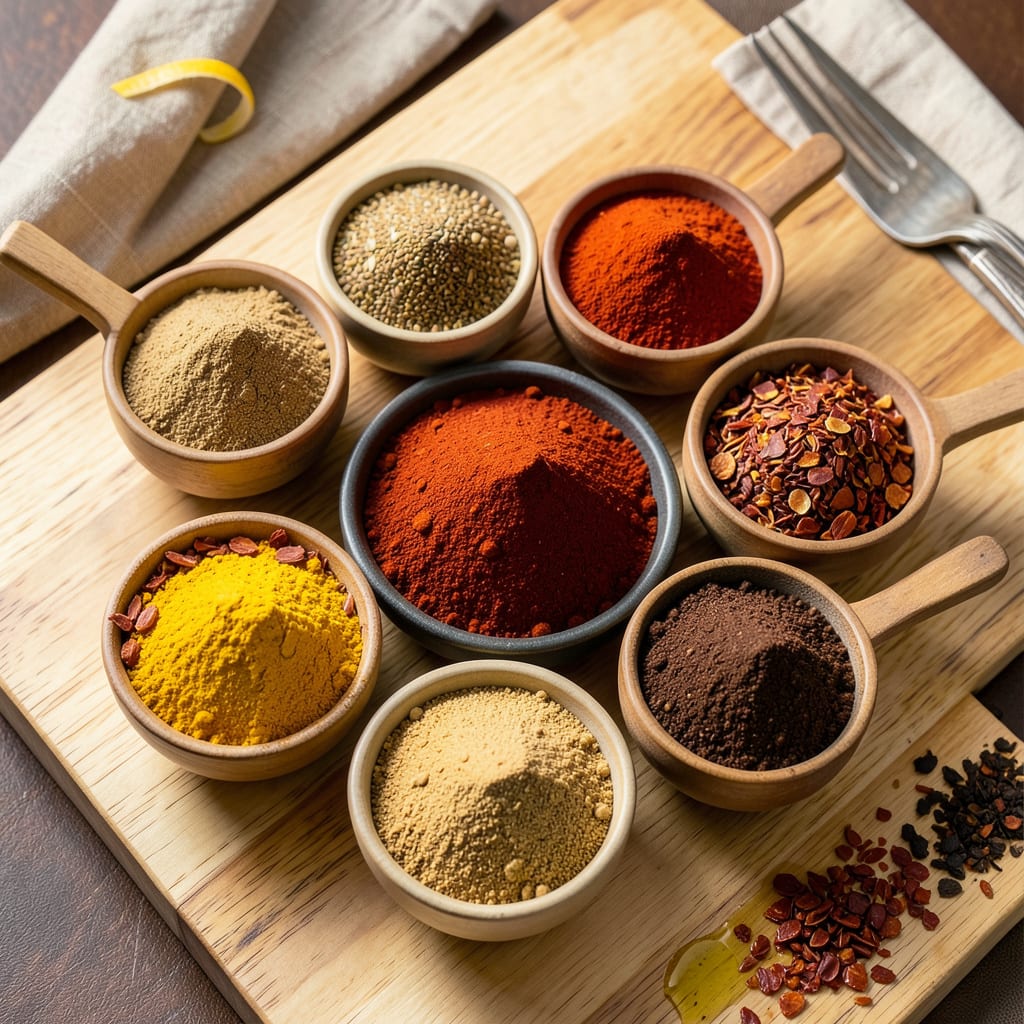
Cayenne pepper, chili powder, or smoked paprika (if unavailable) work best for heat, while sweet bell pepper powder or turmeric add color without spice. Cumin or garlic powder can mimic depth in savory dishes.
The key to successful substitution lies in understanding what role paprika plays in your dish. For heat-driven recipes like spicy marinades or Cajun seasoning blends, I recommend starting with half the amount of cayenne—its Scoville rating is significantly higher. Meanwhile, turmeric brings vibrant golden hues but lacks sweetness, so you might balance it with a pinch of sugar. 🔥
What’s often overlooked is how these alternatives interact with other ingredients. Smoked paprika’s wood-fired notes are irreplaceable, but a dash of liquid smoke plus chili powder can approximate it. For color-focused dishes like deviled eggs, sweet bell pepper powder blends seamlessly without altering the flavor profile. ✨
💡 In This Article
- How Paprika Substitutes Compare in Flavor and Heat
- Best Paprika Substitutes for Specific Dishes
How Paprika Substitutes Compare in Flavor and Heat
Paprika’s complexity comes from its capsicum compounds, which vary dramatically between varieties. Sweet paprika contains minimal capsaicin (the heat compound), while hot paprika can reach 500-1,000 Scoville units. Cayenne pepper, by comparison, packs 30,000-50,000 Scoville units—meaning you’ll need just 1/8 teaspoon to match the heat of 1 teaspoon of hot paprika.
The science here is about capsaicin concentration: cayenne’s higher levels activate heat receptors more aggressively.
Chili powder offers a middle ground with 1,000-2,000 Scoville units, but its flavor profile is more complex. It typically contains 30-50% ground chili peppers blended with cumin, garlic, and oregano. This means it brings earthy, herbal notes that regular paprika lacks.
For color without heat, turmeric’s curcumin compounds deliver a golden hue, but beware: it’s 3-4 times more potent as a dye than paprika. Start with ¼ teaspoon and adjust to avoid an unnatural yellow tint.
Smoked paprika’s magic lies in its lignin content—compounds that break down during smoking to create over 200 aromatic molecules. No direct substitute exists, but combining ½ teaspoon chili powder with ¼ teaspoon liquid smoke approximates the effect.
The liquid smoke provides guaiacol and syringol (the same phenols found in smoked meats), while the chili powder contributes the base pepper flavor.
Sweet bell pepper powder mimics paprika’s color and mild sweetness without any heat. It contains 6-8% natural sugars (compared to paprika’s 5-6%), which caramelize beautifully when cooked. For depth in savory dishes, cumin’s cuminaldehyde compounds add warmth and earthiness. Use ½ the amount of cumin since its flavor is more concentrated.
Garlic powder works similarly, with allicin compounds providing umami richness.
Here’s what most cooks miss: paprika’s red color comes from capsanthin, a carotenoid that degrades at temperatures above 320°F. Turmeric’s curcumin is more heat-stable, making it better for high-heat cooking. For cold dishes like dips or garnishes, sweet bell pepper powder maintains its vibrant color better than paprika, which can oxidize and darken over time.
🔥
Pro tip: When substituting, consider the dish’s cooking method. For long-simmered stews, chili powder’s blended spices develop more complexity. For quick-cooked dishes, cayenne’s immediate heat impact works better. Always taste as you go—capsaicin levels can vary between brands by up to 20%, so precise measurements matter less than balancing the final flavor. ✨

- BBQ Sausage Recipe Oven: Smoky Depth Without the Grill - September 28, 2026
- BBQ Chicken Bowl Recipe Rice: Smoky Sweetness Over Fluffy Grains - September 28, 2026
- Beef Cutlet Recipe Ideas: Crispy Breaded Patties With Bold Seasonings - September 28, 2026