
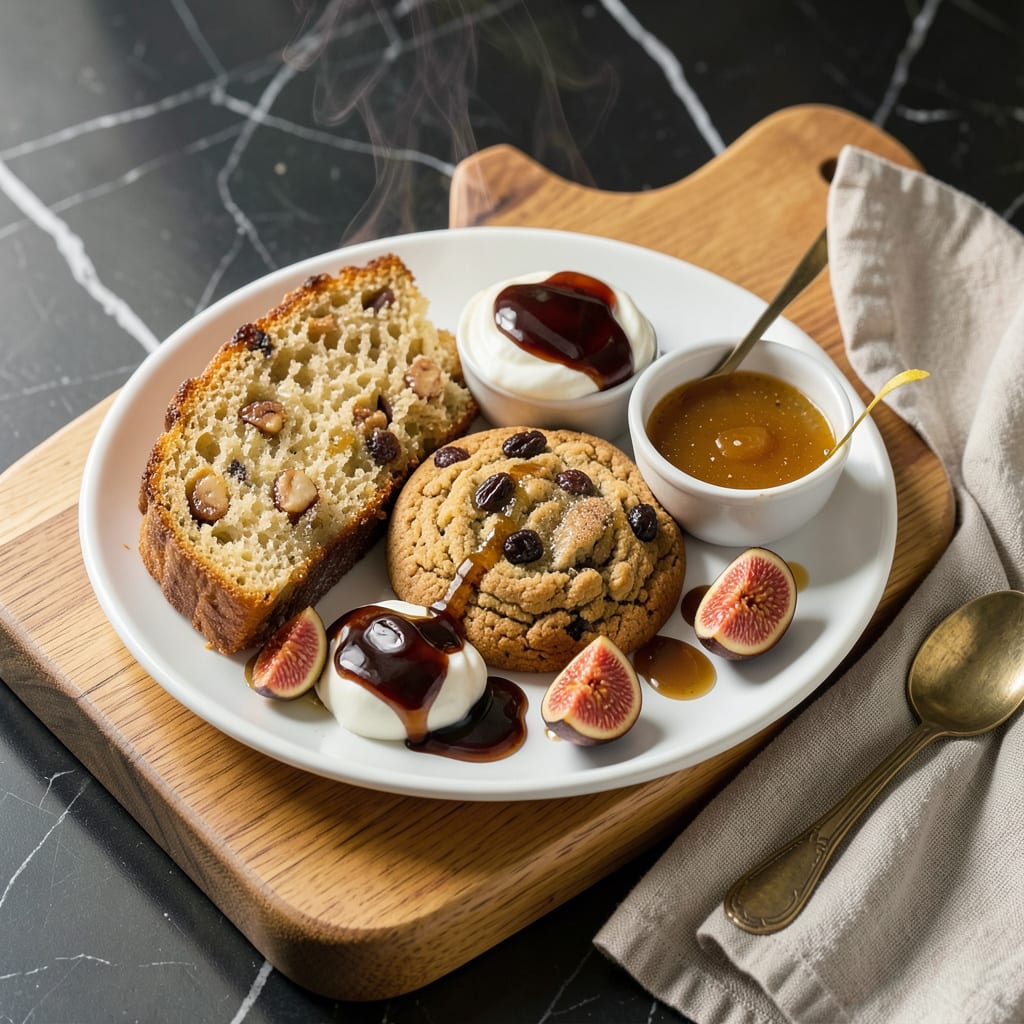
The best honey substitutes depend on your recipe: maple syrup or agave for liquid sweeteners, brown sugar or molasses for baking, and date syrup for a caramel-like depth. Adjust ratios slightly as flavors and sweetness vary.
I’ve tested these alternatives extensively in my own kitchen, and the key is matching the substitute to your dish’s needs. Maple syrup brings a woodsy complexity that works beautifully in glazes and dressings, while agave’s neutral profile makes it ideal for delicate desserts where you don’t want competing flavors. 🔥 For baking projects, molasses adds moisture and that signature deep sweetness, but I always reduce other liquids by about 1-2 tablespoons to compensate for its thicker consistency. The science here is all about balancing moisture content and sweetness intensity—what works in muffins might completely throw off a vinaigrette.
💡 In This Article
- How Different Honey Substitutes Affect Flavor and Texture
- Best Honey Substitutes for Specific Recipes and Diets
How Different Honey Substitutes Affect Flavor and Texture
The secret to successful honey substitution lies in understanding each alternative’s unique chemical composition. Maple syrup contains about 60% sucrose and 30% water, giving it a thicker viscosity than honey’s 17% water content. This means it adds more moisture to recipes, which can be great for pancakes but problematic in crispy cookies.
The earthy, almost smoky flavor comes from phenolic compounds developed during the sap reduction process, which caramelize beautifully when heated to 230°F or higher. 🔥
Agave nectar, on the other hand, is 90% fructose—the highest concentration of any natural sweetener—which makes it 1.4 times sweeter than honey. Its neutral flavor profile comes from minimal processing that preserves the plant’s natural enzymes.
In baking, fructose browns faster than glucose, so I reduce oven temperatures by 25°F when using agave to prevent over-browning. The high fructose content also means agave retains moisture longer, extending shelf life in baked goods by about 2-3 days. ✨
Molasses stands apart with its 45-55% sucrose content and complex mineral profile (including calcium, magnesium, and iron). The dark variety has undergone three boilings, concentrating its bold, bittersweet flavor and giving it a pH of about 5.5—more acidic than honey’s 3.9 pH.
This acidity reacts with baking soda to create extra lift in cakes and cookies, but can curdle dairy if not balanced properly. I’ve found that replacing just half the honey with molasses in gingerbread gives the perfect depth without overpowering. 💫
Date syrup offers a unique caramel-like quality because of its 70% sugar content (mostly glucose and fructose) combined with 10% dietary fiber. This fiber content creates a thicker, more viscous texture that works wonderfully in bar cookies and energy balls.
The Maillard reaction occurs at lower temperatures with date syrup (280°F versus honey’s 310°F), so it develops rich, toasty flavors faster. However, its 3.5% protein content can cause slight coagulation when mixed with high-acid ingredients like lemon juice. ⚡
For precise substitutions, consider these moisture adjustments:
- Maple syrup: Reduce other liquids by 1 tablespoon per 1/4 cup used
- Agave: Decrease by 25% due to higher sweetness (1/3 cup agave = 1/2 cup honey)
- Molasses: Increase leavening by 1/4 teaspoon per 1/2 cup for proper rise
- Date syrup: Add 1 teaspoon water per 2 tablespoons to match honey’s consistency
The thermal properties matter too—honey’s 40% fructose content makes it more heat-stable than agave in high-temperature applications like caramelizing.
When making candy or glazes, I’ve found corn syrup (with its 100% glucose composition) prevents crystallization better than any other substitute. The key is matching not just sweetness but also how the sugar molecules behave under heat and interact with other ingredients in your specific recipe. 🌟

- BBQ Sausage Recipe Oven: Smoky Depth Without the Grill - September 28, 2026
- BBQ Chicken Bowl Recipe Rice: Smoky Sweetness Over Fluffy Grains - September 28, 2026
- Beef Cutlet Recipe Ideas: Crispy Breaded Patties With Bold Seasonings - September 28, 2026