
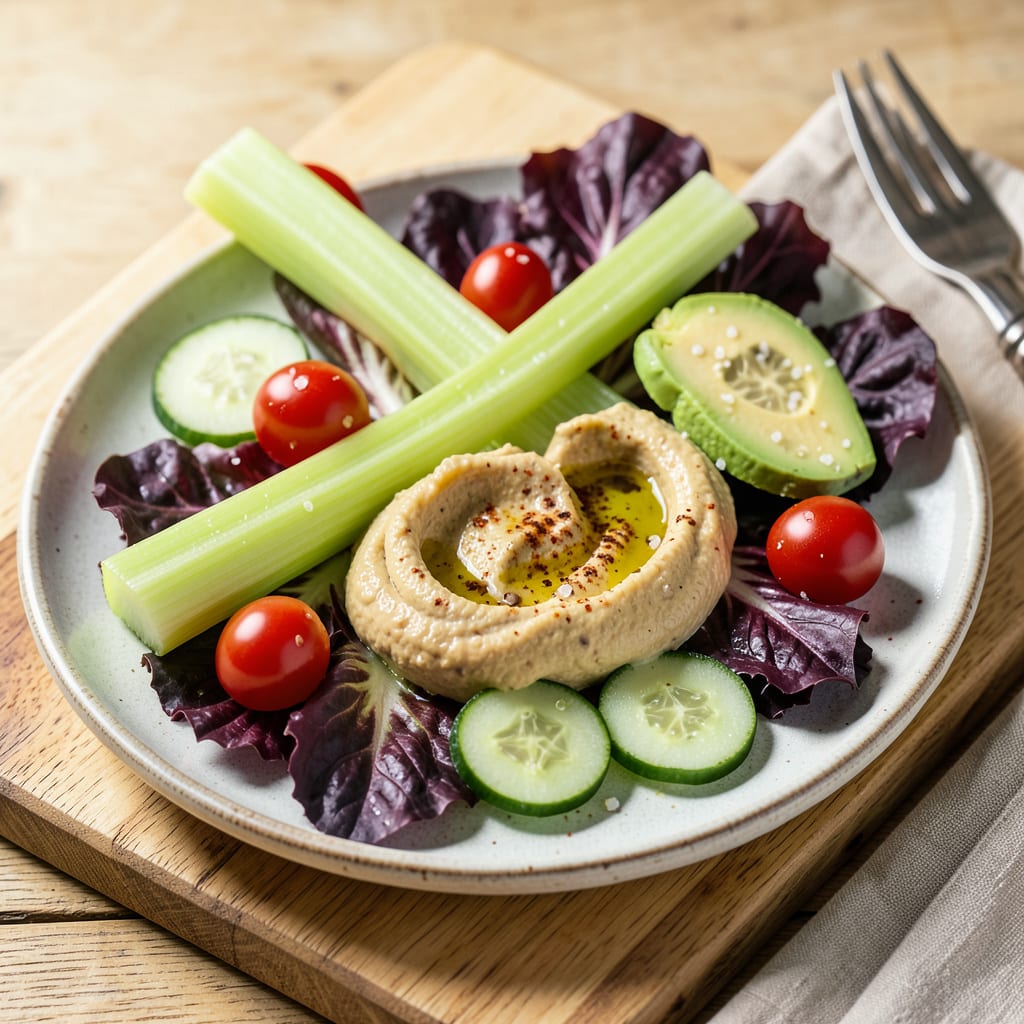
A stalk of celery in recipes refers to a single rib from the bunch, typically measuring 8-10 inches long. It includes the leafy top, crunchy stem, and base, with most recipes using the midsection for consistent texture and flavor.
I love how versatile celery is in cooking, but the terminology can be confusing. When a recipe calls for a “stalk,” it’s referring to one of those individual curved pieces you separate from the main bunch. 🔥 The midsection is usually preferred because it offers the best balance of crispness and flavor—perfect for everything from mirepoix to crudité platters. What’s interesting is that the leafy tops and fibrous base are often discarded, yet they can add unique flavors to stocks or garnishes if used thoughtfully.
Understanding this distinction helps when scaling recipes or making substitutions. For example, if you need 1 cup diced celery, you’ll typically use about 2-3 stalks, depending on their size. This precision matters in dishes where texture and flavor balance are key, like soups or stir-fries. ✨
💡 In This Article
- How Celery Stalks Are Structured and Measured in Cooking
- Preparing and Substituting Celery Stalks in Recipes
How Celery Stalks Are Structured and Measured in Cooking
Celery’s anatomy is surprisingly complex for such a simple vegetable. Each “stalk” (or rib) is actually a modified leaf structure that grows from the plant’s central base. The midsection—typically 6-8 inches of the 8-10 inch total length—is what most recipes reference because it offers the ideal balance of crisp texture and mild flavor.
The fibrous strings you see when peeling are vascular bundles that transport water and nutrients, which is why they become more pronounced toward the base.
Commercial kitchens and food manufacturers standardize measurements differently than home cooks. In professional settings, 1 stalk is defined as approximately 4 ounces or 113 grams of edible portion (trimmed leaves and base removed). This precision matters in large-scale recipes where consistency is critical.
For example, a restaurant’s mirepoix ratio (2:1:1 onions:celery:carrots) relies on this standardization to maintain flavor balance across batches. 🔥
The weight-to-volume relationship changes dramatically based on preparation. A whole 8-inch stalk weighs about 1.5 ounces, but when diced into ¼-inch pieces, it yields roughly ½ cup. This is why recipes specify preparation methods—finely minced celery packs more tightly than rough chunks.
The moisture content (about 95%) also affects measurements, as water loss during cooking can reduce volume by up to 20%.
What many don’t realize is that the leafy tops contain 5 times more chlorophyll and 3 times more vitamin C than the stalks, though their bitter flavor makes them better suited for stocks or garnishes.
The base, while often discarded, contains the highest concentration of apiuman (a compound that gives celery its distinctive aroma) and can be used to infuse oils or broths. ✨
Temperature impacts celery’s structure significantly. When exposed to heat, the plant’s rigid cellulose fibers begin breaking down at 140°F, which is why sautéed celery softens so quickly. However, its high water content means it releases moisture rapidly—this is why recipes often call for adding celery early in cooking to prevent soggy textures in finished dishes.
The pH level (around 6.0-6.5) also makes it reactive with acidic ingredients, which can affect color and texture in dishes.
For visual reference, think of celery like a natural measuring tool: the distance between the “joints” (where leaves branch off) is consistently about 1 inch. This means you can roughly estimate 1 tablespoon of diced celery from each segment.
💫 Professional chefs use this trick to quickly portion celery without scales when working with fresh bunches.

- BBQ Sausage Recipe Oven: Smoky Depth Without the Grill - September 28, 2026
- BBQ Chicken Bowl Recipe Rice: Smoky Sweetness Over Fluffy Grains - September 28, 2026
- Beef Cutlet Recipe Ideas: Crispy Breaded Patties With Bold Seasonings - September 28, 2026