
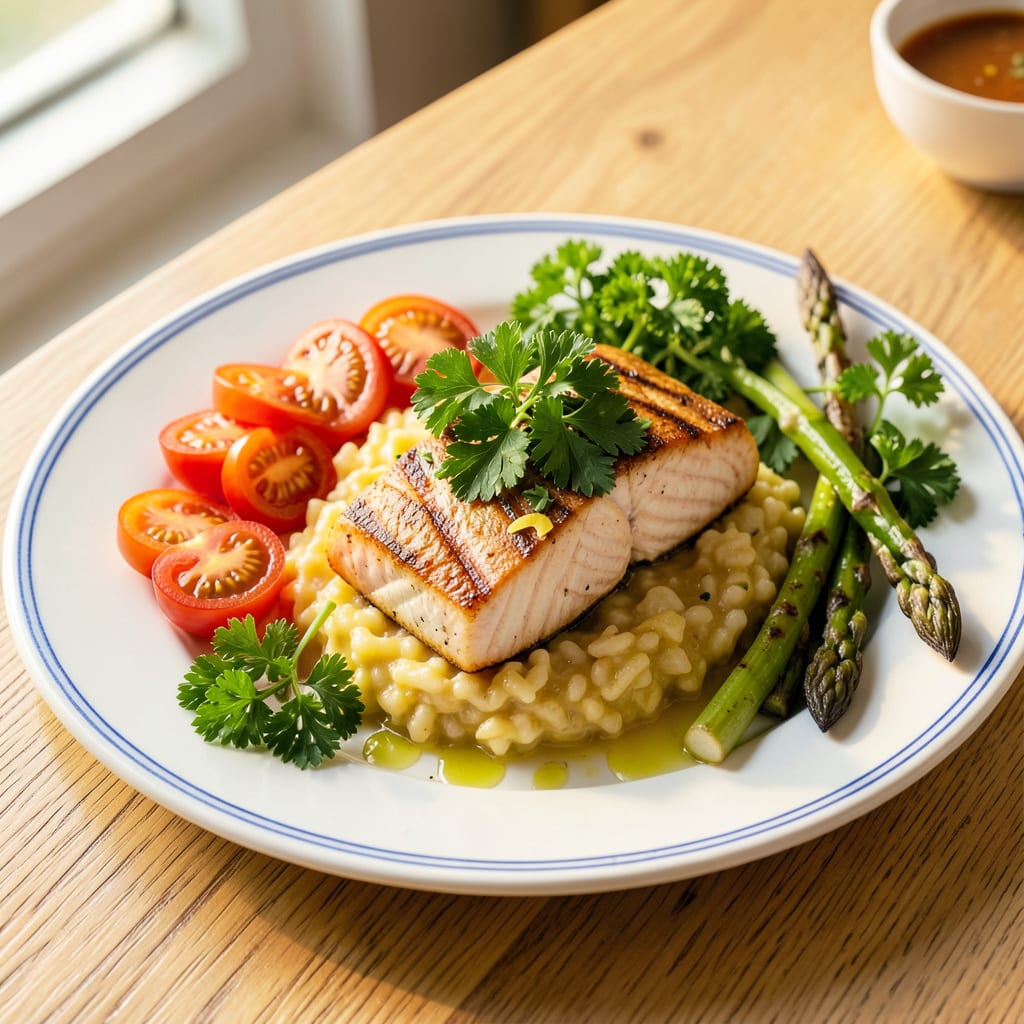
Most recipes calling for parsley refer to flat-leaf (Italian) parsley for its robust flavor. Curly parsley is typically used as a garnish due to its milder taste and decorative appearance.
This distinction comes down to culinary function and flavor impact. Flat-leaf parsley, with its bold, grassy notes, holds up better in cooked dishes like soups, sauces, and marinades. Meanwhile, curly parsley’s delicate texture and visual appeal make it ideal for finishing plates or adding a pop of green to salads. 🔥
I’ve noticed professional chefs consistently reach for flat-leaf when building flavor profiles, while curly parsley often appears in presentations where its ruffled edges create visual contrast. The choice ultimately depends on whether you’re prioritizing taste contribution or aesthetic enhancement in your dish. ✨
💡 In This Article
- Key Differences Between Flat-Leaf and Curly Parsley
- How to Substitute Parsley Types in Recipes
Key Differences Between Flat-Leaf and Curly Parsley
The flavor disparity comes down to essential oil content. Flat-leaf parsley contains 2-3 times more volatile oils like apiol and myristicin, giving it that punchy, slightly peppery taste that stands up to cooking. When heated, these compounds release more aroma—this is why flat-leaf dominates in Mediterranean dishes where parsley is a foundational herb.
Curly parsley, with its lower oil concentration, offers a milder, grassier note that can get lost in complex flavor profiles.
Texture plays a surprising role in their culinary applications. Flat-leaf’s broader, smoother surfaces (1-2 inches long) make it easier to chop uniformly, while curly parsley’s tightly ruffled leaves (with 5-7 crinkles per leaf) create visual interest but trap moisture.
This moisture retention makes curly parsley wilt faster when cooked—ideal for quick garnishes but problematic in long-simmered dishes. The texture difference also affects mouthfeel: flat-leaf provides a cleaner bite, while curly adds a slight crunch.
Regional cooking traditions reflect these differences. In Italian cuisine, flat-leaf parsley is non-negotiable in salsa verde or gremolata because its robust flavor balances rich meats. Meanwhile, German and Eastern European traditions often use curly parsley for its decorative qualities in cold dishes like potato salads.
I’ve seen French chefs use both—but flat-leaf for fines herbes blends and curly for plate garnishes where its bright green color pops against white platters. 🌟
The growing conditions influence their distinct profiles too. Flat-leaf parsley thrives in warmer climates (originating in the Mediterranean), developing thicker cell walls and higher oil production. Curly parsley, often grown in cooler Northern European regions, prioritizes leaf production over oil development. This botanical adaptation explains why flat-leaf can taste 30% more intense in side-by-side comparisons.
The curly variety’s milder taste actually makes it more versatile for those sensitive to strong herbal flavors.
Nutritionally, both offer similar benefits (high in vitamin K, vitamin C, and antioxidants), but flat-leaf delivers 15-20% more of these compounds per gram due to its denser leaf structure. The curly variety’s higher water content (about 88% vs 85%) means it weighs more by volume—something to consider when measuring by the cup.
This moisture difference also affects how each type responds to drying: flat-leaf retains more color and flavor when dehydrated.
For home cooks, the choice often comes down to availability and intended use. Flat-leaf’s longer shelf life (10-14 days refrigerated vs curly’s 7-10 days) makes it more practical for regular cooking. But curly parsley’s ability to hold its shape under cold applications (like in tzatziki or as a cocktail garnish) gives it niche advantages.
Pro tip: If substituting, use 1.5x more curly parsley by volume to compensate for its milder flavor. ✨

- BBQ Sausage Recipe Oven: Smoky Depth Without the Grill - September 28, 2026
- BBQ Chicken Bowl Recipe Rice: Smoky Sweetness Over Fluffy Grains - September 28, 2026
- Beef Cutlet Recipe Ideas: Crispy Breaded Patties With Bold Seasonings - September 28, 2026