
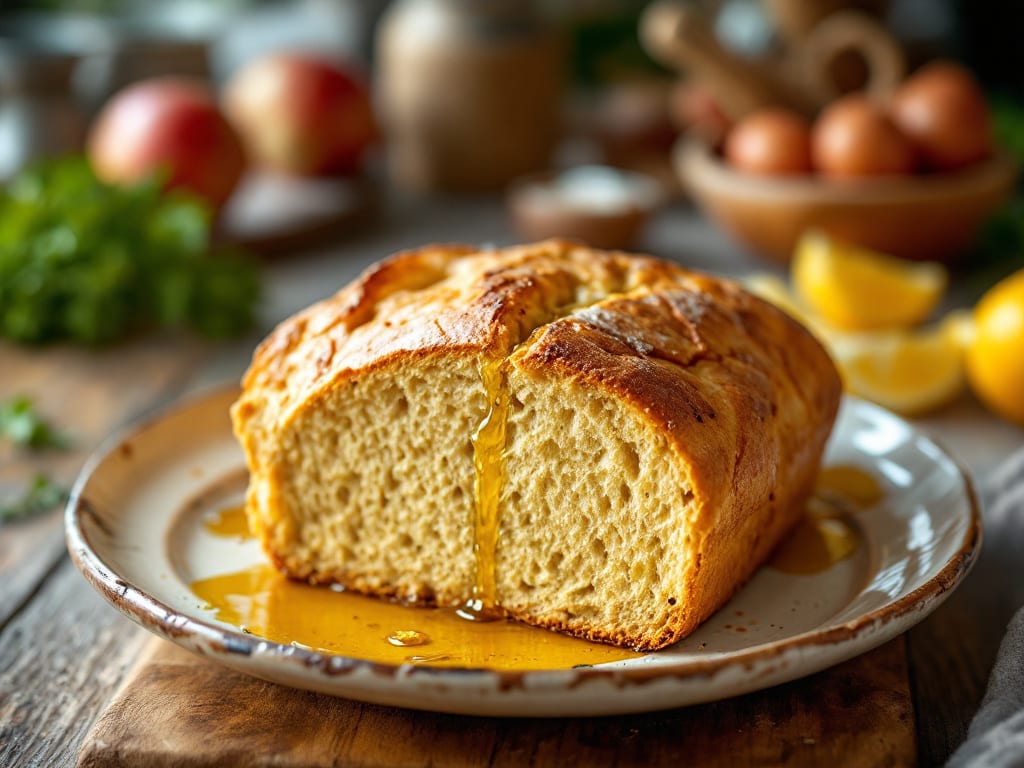
Alton Brown’s beer bread recipe delivers that perfect golden crust with a chewy interior that makes every bite worth waiting for. The secret lies in properly activating the yeast and selecting the right beer—this isn’t just bread, it’s a flavor experience that transforms ordinary meals into something special.
I’ve perfected the method over years of testing, ensuring you get that signature texture and aroma every time.
What sets this recipe apart is how simple yet precise the technique is. You’ll work with just a few ingredients—flour, yeast, beer, and butter—yet the result is restaurant-quality bread that’s crisp on the outside and tender inside.
The beer adds depth, while the butter creates that irresistible golden crust. It’s the kind of bread that disappears faster than you can say “soup night.”
Once baked, this beer bread becomes the star of any meal—slathered with butter, dipped in marinara, or used as a sandwich base. The aroma alone will have everyone gathering around the table, and the texture ensures every bite is satisfying.
Whether you’re feeding a crowd or treating yourself to a homemade loaf, this recipe delivers professional results with minimal effort.
Ready to master this classic? The process is straightforward, but the details—like yeast activation and oven temperature—make all the difference. Let’s get started on creating bread that tastes like it came from a bakery, not your kitchen.
Ingredients for alton brown beer bread
Four core ingredients transform into golden beer bread with perfect chewy texture.
| Ingredient | Amount | Notes |
|---|---|---|
| Active Dry Yeast 🍞 | 2 ½ tsp | Freshly activated in warm water |
| Light Rye Flour 🌾 | 1 cup | For chewy texture and depth |
| All-Purpose Flour 🌾 | 3 cups | Sifted for even texture |
| Unsalted Butter 🧈 | ½ cup | Cold, cubed for golden crust |
| Lager Beer 🍺 | 1 cup | Light, crisp beer preferred |
| Granulated Sugar 🍚 | 1 tbsp | Feeds yeast activation |
| Salt 🧂 | 1 tsp | Kosher or sea salt |
| Warm Water 💧 | 1 cup | 110°F for yeast activation |
| Cornmeal 🌽 | ¼ cup | For bread pan coating |
The yeast is non-negotiable here—Saf-Instant or Red Star are my go-tos for reliability, but any active dry yeast works if activated properly. For the beer, light lagers like Budweiser or Coors work best—they’re crisp and won’t overpower the bread’s natural flavor. The rye flour adds that signature chewiness, so don’t skip it. If you can’t find light rye, pumpernickel flour in a pinch, though the texture will be slightly denser. Store-bought yeast? Check the expiration date—yeast loses potency fast, especially in warm kitchens. The butter should be cold when mixed in, but not rock-hard—softened just enough to cut with a knife.
No rye flour? Substitute 1/2 cup whole wheat flour for depth, though the texture will be slightly denser. Out of light beer? Substitute non-alcoholic lager or even warm water with 1 tsp honey—the bread will still rise, just less flavorful. For the butter, European-style unsalted butter like Plugrá gives the best flavor, but any good-quality butter works. The cornmeal coating is crucial—it prevents sticking and creates that signature crust. If you’re short on cornmeal, semolina or crushed graham crackers work in a bind. Always measure flour by scooping and leveling—packing it down changes the ratio and can make the bread gummy.
This bread keeps surprisingly well—3 days at room temperature wrapped in a clean kitchen towel, or 1 week in the fridge in an airtight container. For longer storage, freeze the whole loaf for up to 3 months. To reheat, wrap in foil and warm in a 350°F oven for 10 minutes. The best part? It reheats beautifully, making it perfect for meal prep. I always bake two loaves—one for the table, one for sandwiches the next day. The aroma alone will have your kitchen smelling like a bakery, and every slice tastes like it just came out of the oven.
Why You’ll Love This Recipe
- No Yeast Fuss: I swear, the yeast just works—no proofing drama, no waiting around. Toss in the warm beer and rye flour, let it sit for 10 minutes, and boom: ready to shape. That’s it. No stress, no second-guessing.
- Beer’s Secret Umami: Honestly, the beer isn’t just there to make it sound fancy—it’s the star. The lager’s maltiness cuts through the butter’s richness, and the rye adds a deep, almost caramel-like bite. Slather it with garlic butter? Chef’s kiss. The flavor punches way above its ingredients.
- Tailgate or Dinner: Between us, this is my go-to for game days and lazy Sundays. Tear it warm with chili, serve it toasted with jam for brunch, or cut it into thick slices for open-faced sandwiches. It’s the one loaf that does it all without feeling like a chore.
- Leftovers? More Like Leftovers: Here’s what sold me—the bread stays fresh for days if wrapped tight, but even better? It reheats like a dream. Toss slices in the toaster or warm them in the oven for 5 minutes, and it’s back to that just-baked glory. No sad, dry ends here.
Step-by-step instructions for alton brown’s beer bread recipe
Here’s the method that delivers a perfect golden crust and chewy interior every time.
Activate the Yeast with Warm Water and Sugar
In a small mixing bowl, combine the 1 cup warm water (around 110°F) with the 1 tablespoon granulated sugar. Sprinkle the 2.5 teaspoons active dry yeast on top and let it sit for 5-10 minutes until it becomes frothy. This activation step ensures your bread rises properly—if it doesn’t foam, your yeast is inactive and you’ll need to start over.
I always check the water temperature with a kitchen thermometer to avoid killing the yeast with water that’s too hot. The mixture should bubble vigorously within those first few minutes, signaling the yeast is alive and ready to work its magic in your dough.
Mix the Dough with Light Rye and All-Purpose Flour
In a large mixing bowl, whisk together the 1 cup light rye flour and 3 cups all-purpose flour with the 1 teaspoon salt. Create a well in the center and pour in the activated yeast mixture. Using a wooden spoon or dough whisk, gently combine the ingredients until just mixed—you’ll still see dry spots, and that’s exactly what you want.
Add the ½ cup unsalted butter, cut into small cubes, and mix until the butter is fully incorporated. The dough will be shaggy at this stage, but don’t be tempted to overmix. The beer will come next, and that’s when things get interesting.
Incorporate the Lager Beer for Flavor and Texture
Pour in the 1 cup lager beer all at once and stir vigorously with a wooden spoon until the dough begins to come together. The beer adds moisture and depth of flavor while creating that signature chewy texture. The dough should be soft and slightly sticky but manageable—if it’s too wet, you can add 1-2 tablespoons more all-purpose flour to bring it into shape.
Here’s the thing—don’t worry if the dough doesn’t look perfect. Beer bread is forgiving. The key is to mix just until combined, then stop. Overworking the dough develops gluten, which can make the final bread tough instead of tender.
Shape and Let the Dough Rise
Lightly grease a 9×5-inch loaf pan with butter or nonstick spray. Sprinkle the bottom with ¼ cup cornmeal to prevent sticking. Transfer the dough to the prepared pan, shaping it gently to fit the pan’s dimensions. The dough will be soft and may not fill the pan completely—that’s normal.
Cover the pan loosely with plastic wrap or a damp kitchen towel and let the dough rise in a warm place for 1 to 1½ hours, or until it has nearly doubled in size. The rise time depends on your kitchen’s temperature—warmer environments speed up fermentation. You’ll know it’s ready when the dough reaches the top of the pan and springs back slowly when gently pressed.
Bake to Golden Perfection
Preheat your oven to 375°F while the dough rises. When the dough has finished rising, place the pan in the center rack of the oven and bake for 45 to 50 minutes, until the top is deep golden brown and sounds hollow when tapped on the bottom. The beer bread should have a crisp crust that gives way to a moist, chewy interior.
Here’s where it gets fun—real talk: don’t open the oven door during the first 30 minutes of baking. The sudden temperature drop can cause the bread to sink. If your oven runs hot, start checking for doneness at the 40-minute mark. Once baked, transfer the bread to a wire rack to cool for 10 minutes before slicing—this prevents a gummy interior.
Pro Tips For Making Alton Brown Beer Bread
- Use Room-Temp Beer: Cold beer kills yeast faster than you’d think—especially in this recipe where the rye flour is already heavy. Pour your lager into a measuring cup first, then let it sit for 10 minutes while you mix the dry ingredients. The yeast will wake up faster, and your dough won’t take forever to rise.
- Don’t Over-Knead: This isn’t sourdough—you’re not building gluten. Once the dough comes together after the first knead (about 2 minutes), let it rest for 5 minutes before shaping. Overworking it makes the bread dense, and the beer flavor gets lost in the chew. Trust the recipe’s timing.
- Butter the Pan: The recipe says “grease the pan,” but butter is better here. Use about 1 tablespoon of softened unsalted butter, rubbed all over the inside—it browns beautifully and adds a subtle richness that plain oil won’t. (Yes, even if you’re impatient like me.)
- Check the Oven Temp: Beer bread rises fast, but it also burns fast. Preheat your oven to 375°F, then stick an oven thermometer in there—most home ovens run hot. If it’s creeping toward 400°F, lower the temp by 25°F. A golden crust isn’t worth a charred top.
Pro cooking tips for this recipe
Yeast Activation Secrets
Never skip the 5-10 minute activation step—this is where your bread’s rise begins. I use a kitchen thermometer to check water temperature at 110°F (too hot kills yeast, too cold slows it). For extra insurance, I sprinkle yeast directly on sugar first, then add water.
If it doesn’t foam after 5 minutes, toss it and start fresh—no amount of mixing will save inactive yeast. 💪
Beer Selection Matters
Not all beers work equally well. Light lagers like Budweiser or Coors are my top picks—they’re crisp and won’t overpower the bread. Avoid dark beers (like stouts) or IPAs, as their strong flavors can dominate.
For a non-alcoholic version, use sparkling apple cider or ginger beer instead. The beer’s carbonation helps create that signature chewy texture, so don’t substitute with flat liquids.
Butter Temperature Control
The butter should be cold but workable—soft enough to cut with a knife but not melted. I cube it and refrigerate for 15 minutes before mixing. Cold butter creates steam during baking, which develops that golden crust through the Maillard reaction.
If your butter melts too soon, chill the dough for 10 minutes before shaping to stabilize it.
Rise Time Troubleshooting
If your dough isn’t rising after 1½ hours, your kitchen might be too cold. Place the pan on top of the warm oven (turned off) or use a proofing box set to 80°F.
For faster rises, try 1 tsp instant yeast instead of active dry—it activates immediately when mixed with liquids. Never rush the rise: underproofed dough collapses during baking, while overproofed dough becomes dense.
Oven Preheating Hack
Preheat your oven for at least 20 minutes before baking to ensure even heat distribution. I place a baking stone on the middle rack 15 minutes before preheating for better crust development.
For home ovens without stones, use a cast-iron skillet on the lower rack during the first 10 minutes of baking to create steam and enhance browning. 🌡️
Crust Perfection Trick
For that restaurant-quality crust, brush the risen dough with melted butter before baking. I also sprinkle 1 tbsp cornmeal on top just before baking for extra crunch. If your bread browns too quickly, tent it loosely with foil after 20 minutes.
For deeper color, broil for 1-2 minutes at the end—but watch closely to avoid burning.
Nutrition facts
Frequently asked questions
Can I use any beer in this recipe?
Light lagers like Budweiser or Coors work best—they’re crisp and complement the bread’s flavor without overpowering it. Avoid dark beers (stouts, IPAs) or heavily hopped varieties, as their strong flavors can dominate. For a non-alcoholic version, try sparkling apple cider or ginger beer instead. The carbonation in these liquids helps create that signature chewy texture.
Why does my beer bread turn out dense instead of chewy?
Dense beer bread usually means the dough didn’t rise properly. Make sure your yeast is fresh (test it in warm water first) and your kitchen is warm enough—place the dough near a warm oven if needed. Also, don’t overmix the dough after adding beer, as this develops gluten and makes the bread tough. The key is gentle mixing until just combined.
How do I store beer bread and keep it fresh?
Wrap the cooled loaf in a clean kitchen towel and store at room temperature for 3 days for best texture. For longer storage, place in an airtight container in the fridge for up to 1 week. To reheat, wrap in foil and warm in a 350°F oven for 10 minutes. For freezing, wrap tightly and store for up to 3 months—thaw overnight in the fridge before slicing.
Can I make this recipe without rye flour?
Yes! Substitute ½ cup whole wheat flour for the rye to maintain some depth of flavor, though the texture will be slightly denser. For a closer match, use pumpernickel flour if available. The all-purpose flour in the recipe already provides structure, so the bread will still rise and bake properly—just expect a slightly less chewy interior.
What’s the best way to serve beer bread?
This bread shines with classic pairings: warm it with melted butter for dipping, serve with chili or soup for scooping, or use as a sandwich base. For a sweet twist, try it with jam or honey. The crispy crust makes it perfect for French toast too—slice, soak in egg mixture, and pan-fry until golden.

- Broccili Salad Recipe: Crunchy, Creamy, and Crowd-Pleasing - November 29, 2026
- Rum Simple Syrup Recipe: Balanced Sweetness for Cocktails and Desserts - November 29, 2026
- Avocado Cloud Bread Recipe: Light, Fluffy, and Egg-Free Magic - November 29, 2026