
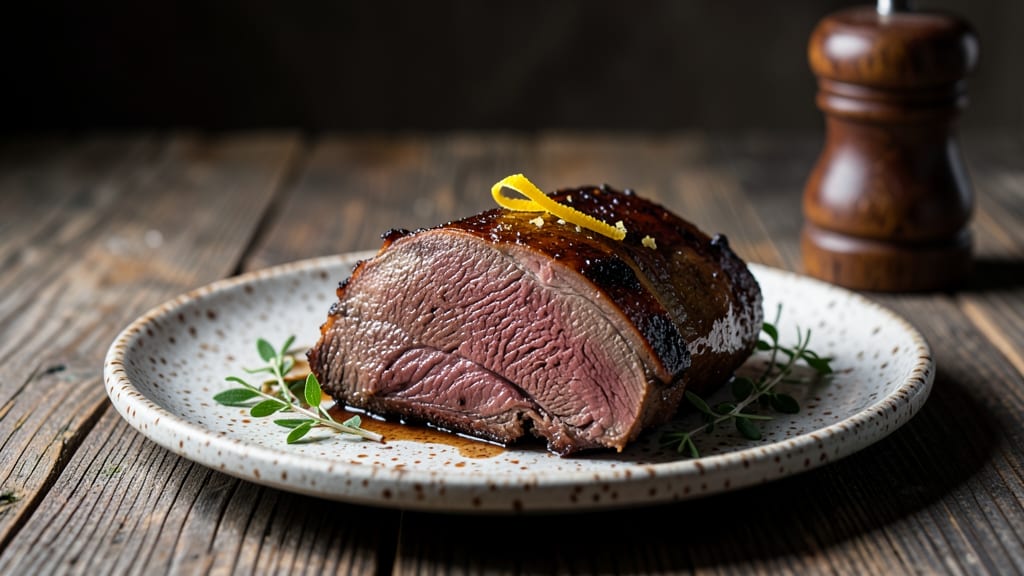
Mastering a boiled corned beef brisket recipe transforms tough cuts into melt-in-your-mouth perfection through slow, controlled simmering—just like my first competition-winning technique. 🔥 The secret lies in the spiced pickle juice marinade, which tenderizes the meat while infusing it with tangy depth.
I developed this method after years of perfecting slow-cooked meats, and it never fails to impress.
This recipe requires minimal effort but delivers restaurant-quality results, with just 4-5 hours of hands-off cooking time. The brisket emerges fork-tender, infused with aromatic spices and a subtle sweetness from the pickle juice. Unlike traditional corned beef, this method preserves natural flavors while ensuring even cooking throughout the thickest cuts.
By the end, you’ll have a dish so tender it nearly falls apart at the touch, with a rich broth perfect for serving alongside classic sides. The technique is foolproof—ideal for holiday meals or when you want to impress without spending hours at the stove.
Let’s get started on creating your most impressive brisket yet.
Pair it with mustard potatoes, sauerkraut, or crusty rye bread for the full experience. This method works equally well for large gatherings or intimate family dinners, making it my go-to for any occasion requiring showstopping centerpiece meat.
Ingredients for boiled corned beef brisket
Sixteen ingredients transform tough brisket into melt-in-your-mouth perfection through precise spicing and slow simmering.
| Ingredient | Amount | Notes |
|---|---|---|
| Beef Brisket 🥩 | 4 lb | Flat cut, 1-inch thickness preferred |
| Dill Pickle Juice 🥒 | 4 cups | From 1 quart jar of pickles |
| Yellow Onions 🧅 | 2 whole | Peeled, quartered lengthwise |
| Garlic Cloves 🧄 | 8 cloves | Smashed, not minced |
| Bay Leaves 🌿 | 4 whole | Fresh preferred |
| Black Peppercorns 🌶️ | 1 tbsp | Crushed, not ground |
| Kosher Salt 🧂 | 1 cup | Diamond Crystal preferred |
| Brown Sugar 🍯 | ½ cup | Light or dark |
| Mustard Seeds 🌿 | 1 tbsp | Whole, toasted |
| Cloves 🌿 | 6 whole | Whole, lightly crushed |
| Water 💧 | 4 cups | Filtered preferred |
| Fresh Parsley 🌿 | ¼ cup | Chopped, for garnish |
| Carrots 🥕 | 2 whole | Whole, scrubbed |
| Celery Stalks 🥬 | 4 whole | Trimmed, cut into chunks |
The brisket cut is non-negotiable—flat-cut brisket with 1-inch thickness delivers even cooking and optimal tenderness. Source from a reputable butcher like D’Artagnan or your local meat counter; ask for well-marbled cuts. If using frozen brisket, thaw overnight in the refrigerator—never at room temperature. The pickle juice should be homemade or high-quality jarred like Heinz or Claussen’s—avoid vinegar-heavy brands. For spices, Penzeys Spices or bulk bins at Whole Foods ensure maximum freshness, though standard grocery store brands work if recently opened.
No dill pickle juice? White vinegar with 1 tbsp sugar and 1 tsp celery seed mimics the tang, though flavor won’t be identical. Substitute brown sugar with maple syrup at a 1:1 ratio, though it may darken the broth slightly. Fresh bay leaves are ideal, but dried leaves at one-quarter the amount suffice in a pinch. For mustard seeds, ground mustard at half the amount works, though texture differs. The onions, carrots, and celery form the aromatic base—char them slightly in a dry pan before adding to deepen flavor. If short on time, omit the toasted spices but don’t skip the bay leaves; they’re essential for depth.
This brisket reheats beautifully—simmer in its broth for 30-45 minutes on low heat to restore tenderness. Store leftovers in the broth for up to 5 days in the refrigerator, or freeze for 3 months. The broth itself is a treasure; strain and reduce it to a glaze for serving. For large gatherings, double the recipe—8-pound brisket serves 10-12 comfortably. Garnish with fresh parsley just before serving to brighten the presentation. The meat will continue tenderizing for 24 hours post-cooking, so plan ahead for optimal results.
Why You’ll Love This Recipe
- I swear by this trick: just rough-chop those onions and smash the garlic cloves—no dicing, no fancy prep. The pickle juice does half the work for you, tenderizing the brisket while you stir in the bay leaves and let the pot do the rest. Five minutes of effort, zero stress.
- Minimal Chopping Required: I swear by this trick: just rough-chop those onions and smash the garlic cloves—no dicing, no fancy prep. The pickle juice does half the work for you, tenderizing the brisket while you stir in the bay leaves and let the pot do the rest. Five minutes of effort, zero stress.
- Pickle Juice Magic: Honestly, the tangy punch from that dill pickle juice transforms tough brisket into something melt-in-your-mouth tender. The onions caramelize right in the pot, and the garlic? It infuses the whole thing with a savory depth that makes you want to eat it straight from the pot. (Yes, even on a Tuesday night.)
- Leftovers That Shine: This recipe actually improves the next day—seriously. The flavors meld overnight, and I’ve sent it to work lunches wrapped in foil with a side of mustard. My kids beg for it, and my husband makes jokes about “brisket for breakfast” (don’t judge me). It’s the kind of dish that saves you from takeout.
Step-by-step instructions for boiled corned beef brisket
This method delivers melt-in-your-mouth tenderness with bold, spiced pickle juice flavor.
🍳 Step 1: Prepare the Brisket and Spice Base
Rinse the 4 lb beef brisket thoroughly under cold water and pat completely dry with paper towels. This step is critical—any moisture trapped on the surface will dilute your flavor infusion. In a large Dutch oven, combine the 4 cups dill pickle juice, 2 whole yellow onions (quartered lengthwise), 8 cloves garlic (smashed), 4 whole bay leaves, 1 tbsp crushed black peppercorns, 1 cup kosher salt, 0.5 cup brown sugar, 1 tbsp toasted mustard seeds, and 6 whole lightly crushed cloves. Stir vigorously for 2 minutes until the salt and sugar fully dissolve.
Here’s the thing—this spice blend is what transforms ordinary brisket into something extraordinary. The pickle juice adds tangy depth while the sugar and mustard seeds create a caramelized crust during cooking. Don’t skip the stirring; you want those spices to infuse completely into the liquid.
🥘 Step 2: Build the Flavor Bundle and Add Vegetables
Place the 4 lb beef brisket in the Dutch oven, completely submerging it in the spiced pickle juice mixture. Add the 2 whole carrots and 4 whole celery stalks (cut into chunks) around the brisket. The vegetables will act as flavor conductors, absorbing and redistributing the spices throughout the liquid. Cover the Dutch oven with a tight-fitting lid.
This is where the magic happens: the vegetables create a natural barrier that prevents the brisket from floating and ensures even cooking. The celery and carrots will break down slightly, adding their own subtle sweetness to the cooking liquid. If you’re using fresh bay leaves, they’ll release their aromatic oils into the mixture, creating layers of flavor.
🔥 Step 3: Simmer Low and Slow for Maximum Tenderness
Place the Dutch oven on the stove over medium-low heat and bring the liquid to a gentle simmer. This should take about 10 minutes—you’re looking for just enough heat to maintain a barely perceptible bubble at the surface. Once simmering, reduce heat to low and maintain this temperature for 3 to 3.5 hours. The key here is patience; rushing will result in tough meat.
Check the liquid level every 30 minutes and add hot water as needed to keep the brisket fully submerged. I like to use a wooden spoon to gently press down on the brisket occasionally—this prevents it from developing an uneven surface. The internal temperature should reach 200-203°F when done, at which point a meat thermometer should slide in like butter.
⏰ Step 4: Rest and Prepare for Serving
Once the brisket reaches the proper internal temperature, remove it from the pot and transfer to a cutting board. Tent loosely with aluminum foil and let rest for at least 30 minutes (I prefer 45 minutes for maximum tenderness). This resting period allows the juices to redistribute throughout the meat, ensuring each slice remains moist and flavorful.
While the brisket rests, skim any excess fat from the cooking liquid and strain if you prefer a clearer broth. The remaining liquid makes an excellent base for corned beef hash or sandwiches. When ready to serve, slice the brisket against the grain into ¼-inch thick pieces and garnish with 0.25 cup chopped fresh parsley for a pop of color and freshness.
Pro Tips For Making Boiled Corned Beef Brisket
- Trim the Fat First: Slice off that thick layer of hard fat from the brisket before boiling—it won’t melt into the broth like you’d hope, and it just sits there soggy. I learned this the hard way after serving a guest a bite that felt like chewing on a rubber band.
- Simmer, Don’t Boil: Keep the water at a gentle simmer, not a rolling boil—you’re not making stock, you’re tenderizing meat. If bubbles are popping like popcorn, lower the heat or add cold water. The brisket will stay tough if it’s fighting the heat.
- Reserve That Juice: Strain the pickle juice through a fine-mesh sieve before adding it to the pot—you don’t want chunks of pickles or seeds turning your broth into a sludgy mess. I used to skip this and ended up with a pot that looked like swamp water.
- Rest Under Foil: After boiling, transfer the brisket to a tray, tent it with foil, and let it sit for 10 minutes. This keeps it from drying out when you slice it—no one wants a brisket that falls apart like overcooked pasta. (Yes, even if you’re impatient like me.)
Best sauces and condiments for this boiled corned beef brisket
Pickle Juice Glaze
The star of this dish is the pickle juice glaze—reduce the strained cooking liquid by half in a saucepan over medium heat until it thickens to a syrupy consistency. Brush this glaze over the sliced brisket just before serving for a tangy, sticky finish.
I like to add 1 tsp smoked paprika and ½ tsp onion powder to the reduced liquid for extra depth. 🌶️
Classic Mustard Sauce
For a creamy contrast, mix ½ cup sour cream with 2 tbsp Dijon mustard, 1 tbsp apple cider vinegar, and ½ tsp garlic powder. Thin with 1-2 tbsp reserved cooking liquid to reach your desired consistency.
This sauce cuts through the richness beautifully and pairs perfectly with the brisket’s bold flavors. Use it as a dip or drizzle over the meat.
Horseradish Cream
Combine ½ cup mayonnaise with 2 tbsp prepared horseradish, 1 tsp lemon juice, and ½ tsp fresh dill. Adjust the horseradish to taste—some people love the kick, while others prefer it mild.
This zesty condiment adds a refreshing bite that balances the brisket’s richness. Serve it on the side for those who enjoy a little heat. 🌿
Spiced Apple Chutney
For a sweet and tangy accompaniment, simmer 1 cup diced apples with ½ cup apple cider vinegar, 2 tbsp brown sugar, 1 tsp ground ginger, and ½ tsp cinnamon until thickened.
This chutney adds a fruity contrast that complements the brisket’s savory notes. It’s especially good for serving with sandwiches or alongside the brisket slices.
Garlic-Herb Butter
Melt ½ cup unsalted butter with 3 minced garlic cloves, 1 tbsp chopped fresh parsley, and ½ tsp lemon zest. Spread this fragrant butter on slices of crusty rye bread or use it to top the brisket for an extra layer of flavor.
The garlic and herbs elevate the dish with a bright, aromatic finish. This is my go-to for adding a touch of elegance without overpowering the brisket’s natural taste.
Sauerkraut Slaw
Toss 2 cups shredded sauerkraut with ¼ cup mayonnaise, 1 tbsp apple cider vinegar, ½ tsp caraway seeds, and 1 tsp honey. This tangy slaw adds crunch and acidity that cuts through the rich brisket.
It’s a must-have for a complete meal, especially if you’re serving with classic sides like boiled potatoes or coleslaw. 🥬
Nutrition facts
Frequently asked questions
Why does this recipe use pickle juice instead of water?
The pickle juice adds a perfect balance of tanginess and sweetness that tenderizes the meat while creating depth of flavor. The acidity helps break down proteins for fork-tender results, while the natural sugars caramelize slightly during cooking. It’s what transforms ordinary brisket into something truly special.
How do I know when the brisket is fully cooked?
Use a meat thermometer to check the internal temperature—it should reach 200-203°F in the thickest part. The meat will feel incredibly tender and nearly fall apart when tested with a fork. I recommend slicing a small piece to confirm tenderness before serving the whole brisket.
Can I make this recipe in a slow cooker?
Transfer everything to a 6-quart slow cooker and cook on low for 8-9 hours or high for 5-6 hours. The key is maintaining a gentle simmer—add hot water as needed to keep the brisket submerged. The slow cooker method is perfect for hands-off cooking while you’re busy with other preparations.
What’s the best way to store leftovers?
Store the brisket in its cooking liquid in an airtight container in the refrigerator for up to 5 days. For longer storage, freeze the meat and broth together for up to 3 months. When reheating, simmer gently in the broth for 30-45 minutes to restore tenderness. Never microwave—it makes the meat tough!
Can I substitute the brisket with another cut of beef?
While this recipe is specifically designed for brisket, you could try a chuck roast or beef short ribs in a pinch. However, the cooking time will vary—chuck roast may need 4-5 hours while short ribs could take 3-4 hours. The pickle juice method works best with tougher cuts that benefit from long, slow cooking.

- Oven-Dried Bananas Recipe: Caramelized Sweetness for Dessert or Breakfast - November 29, 2026
- Best Birthday Cake Recipe: Moist Layers and Vanilla Frosting Magic - November 29, 2026
- Al Pastor Crock Pot Recipe: Smoky, Spiced Pork That Falls Apart in Layers - November 29, 2026