
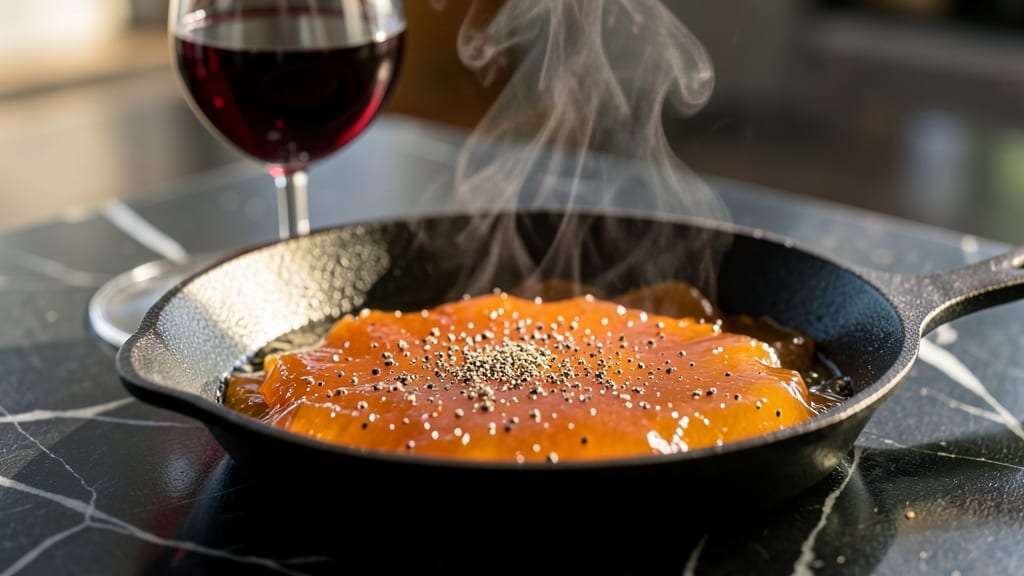
This apple cider vinegar jelly recipe transforms simple ingredients into a versatile condiment with a perfect balance of tangy sharpness and subtle sweetness—ideal for drizzling over salads, roasted vegetables, or even grilled meats. The vinegar’s bright acidity preserves the jelly beautifully while adding depth that store-bought versions can’t match.
I developed this recipe after realizing how much better homemade preserves taste when paired with the right acidity, and the celery topping adds a satisfying crunch that elevates every bite.
The process is straightforward but precise: simmering fruit with apple cider vinegar until tender, then blending it into a smooth puree before thickening with pectin. The key is patience—letting the mixture cool gradually ensures a clean, firm set without graininess.
This jelly keeps for months in the fridge, making it perfect for batch cooking or gifting. The tangy-sweet flavor profile makes it a standout condiment that pairs surprisingly well with both savory and sweet dishes.
What you’ll end up with is a glossy, vibrant jelly with a bright apple cider tang that lingers just enough to enhance, not overpower. The celery twists add a refreshing crunch that contrasts beautifully with the smooth texture, creating a condiment that’s as visually appealing as it is delicious.
Whether you’re drizzling it over a charcuterie board or using it as a glaze for roasted chicken, this jelly adds a sophisticated touch to any meal.
Ready to make it? The recipe requires just a handful of ingredients and minimal effort, but the results are undeniably professional. Store it in airtight jars for up to three months, and don’t be surprised if it becomes a staple in your kitchen. Let’s get started!
Ingredients for apple cider vinegar jelly
Eight ingredients, precise measurements—this jelly transforms humble pantry staples into a sophisticated condiment.
| Ingredient | Amount | Notes |
|---|---|---|
| Organic Apples 🍎 | 4 cups | Peeled, cored, chopped small |
| Apple Cider Vinegar 🍏 | 1 cup | Raw, unfiltered preferred |
| Granulated Sugar 🍚 | 3 cups | White or raw cane sugar |
| Low-Sugar Pectin 🍓 | ¼ cup | Powdered, like Ball RealFruit |
| Fresh Celery Stalks 🥬 | 6 whole | Thinly sliced, crisp varieties |
| Fresh Lemon Juice 🍋 | 2 tbsp | From 1/2 lemon, freshly squeezed |
| Diamond Crystal Kosher Salt 🧂 | ½ tsp | Fine grain, for seasoning |
| Ground Cinnamon 🌿 | ¼ tsp | Optional, for subtle warmth |
The apple selection is critical for texture and flavor. Organic Honeycrisp or Fuji apples yield the best balance of sweetness and tartness—avoid overly mealy varieties like Red Delicious. Purchase from local orchards or specialty grocers for peak freshness, or use frozen apples in a pinch (thaw and drain excess liquid). The vinegar should be raw, unfiltered apple cider vinegar—brands like Bragg or local craft vinegars add complexity. For pectin, Ball RealFruit or Sure-Jell are industry standards, delivering consistent gel strength without excessive sweetness. Celery should be crisp with vibrant green leaves, indicating freshness—avoid wilted stalks that yield bitter juice.
No organic apples? Conventional apples work fine, but scrub thoroughly to remove wax. Substitute sugar with agave nectar or honey at 1:1 ratio, though texture may slightly vary. Running short on celery? Fresh parsley or cilantro stems provide a similar crunch, though with a different flavor profile. For vinegar, white vinegar in a bind lacks the depth of apple cider, but the jelly will still set properly. The cinnamon is optional but recommended—it complements the vinegar’s acidity without overpowering. If using, toast the cinnamon briefly in a dry pan to enhance its aromatic qualities before adding to the mixture.
This jelly maintains peak quality for 3 months refrigerated in airtight glass jars, provided the celery remains submerged in the jelly. For longer storage, freeze individual portions in ice cube trays, then transfer to a sealed bag—thaw overnight in the fridge before use. The celery twists can be prepped ahead and stored separately in a sealed container with a paper towel to absorb moisture. When reheating, warm gently in a water bath to preserve the celery’s crispness. The jelly’s tangy-sweet profile pairs exceptionally well with aged cheeses, roasted pork, or even vanilla ice cream for a sophisticated dessert.
Why You’ll Love This Recipe
- I’ll be real: this jelly comes together with stuff I already have—no fancy shopping trips. Toss in organic apples, a splash of apple cider vinegar, and a handful of celery (yes, really), then let the pectin do the work. Honestly, it’s the kind of recipe that makes me feel like I’m cheating the system.
- Pantry-Friendly Magic: I’ll be real: this jelly comes together with stuff I already have—no fancy shopping trips. Toss in organic apples, a splash of apple cider vinegar, and a handful of celery (yes, really), then let the pectin do the work. Honestly, it’s the kind of recipe that makes me feel like I’m cheating the system.
- Tangy-Sweet Balance: That vinegar adds a bright, almost caramelized edge to the jelly’s sweetness—like biting into a crisp apple after a sip of cider. The celery? It’s subtle, but it rounds out the flavor in the best way, like a whisper of earthiness that keeps it from being too one-note.
- Breakfast to Brunch: Spread it on toast for a quick weeknight breakfast, drizzle it over yogurt for a fancy brunch, or even mix it into salad dressings. I’ve even used it as a glaze for roasted chicken—trust me, it’s the secret weapon that turns everything it touches into a standout.
Step-by-step instructions for apple cider vinegar jelly
This method delivers a perfectly balanced jelly with vibrant tang and crisp celery accents.
Prepare the Apple Base
Combine the 4 cups of chopped organic apples and the 1 cup of apple cider vinegar in a large, non-reactive saucepan. Bring to a boil over medium-high heat, then immediately reduce to medium-low heat and simmer uncovered for 15-20 minutes. You’ll notice the mixture softens and releases its juices, creating a thickened apple purée. This step develops the jelly’s foundational flavor while preserving the vinegar’s signature tang.
Stir occasionally to prevent sticking, and mash the apples gently with a wooden spoon if they resist blending completely. The texture should resemble coarse applesauce with minimal resistance when stirred. This preparation ensures proper pectin activation in later stages while maintaining the vinegar’s bright acidity that defines this recipe.
Add Sugar and Pectin
Remove the pan from heat and carefully whisk in the 3 cups of granulated sugar and the 0.25 cup of low-sugar pectin. The sugar should dissolve completely, creating a smooth, syrupy mixture. Return the pan to medium heat and bring to a full rolling boil that cannot be stirred down—this is critical for proper gel formation.
Once boiling vigorously for 1 minute, remove from heat immediately. The mixture should be thick and syrupy, with a slight sheen indicating proper sugar dissolution. This precise timing prevents overcooking while ensuring the pectin activates fully for that signature jelly consistency. Here’s where the magic happens—proper heat development transforms the base into a stable gel.
Incorporate Seasonings and Celery
Stir in the 2 tablespoons of fresh lemon juice, 0.5 teaspoon of diamond crystal kosher salt, and 0.25 teaspoon of ground cinnamon. The lemon juice brightens the flavor profile while the salt enhances all components. Immediately add the 6 whole fresh celery stalks, sliced thinly—this is the key to those signature crunchy accents.
Quickly transfer the mixture to sterilized 4-ounce jelly jars, leaving 0.25-inch headspace at the top. The celery will settle at the bottom, creating those distinctive crisp layers when sliced. Wipe jar rims clean and secure lids tightly. This step preserves both the vinegar’s tang and the celery’s satisfying crunch while maintaining proper food safety standards.
Process for Preservation
Process the filled jars in a boiling water bath for 10 minutes after the water reaches a full rolling boil. This heat treatment ensures long-term preservation while maintaining the jelly’s vibrant color and texture. Remove jars carefully using tongs and let them cool undisturbed for 12-24 hours before checking seals.
The jelly will firm up as it cools, developing that characteristic glossy sheen and perfect gel consistency. Once sealed properly, these jars will keep for up to 12 months in a cool, dark place. The vinegar’s preservation properties combined with proper processing create a product that stays fresh while maintaining that signature tangy flavor profile.
Pro Tips For Making Apple Cider Vinegar Jelly
- COOK APPLES UNTIL SOFT: You’re not making applesauce—stop when they’re fork-tender, not mushy. Overcooking turns them into glue, and your jelly will turn out thin and sad. Test with a knife: it should pierce easily but still hold shape.
- MEASURE VINEGAR FIRST: Pour the apple cider vinegar into your measuring cup before adding it to the pot. That way, you’re not guessing if you’ve got the right amount—this stuff changes texture fast, and too little means weak tang.
- SKIP THE CELERY SEEDS: Fresh celery stalks are for flavor, not texture. Strain them out after simmering—those fibrous bits turn into gritty surprises. A fine-mesh sieve does the job faster than you’d think.
- BOIL SUGAR FAST: Get that sugar and pectin mix to a rolling boil within 5 minutes of combining. Lingering at medium heat makes it grainy, and no one wants lumpy jelly. High heat, then stir like you’re angry at the pot.
Pro cooking tips for great apple cider vinegar jelly
Pectin Activation
Proper pectin activation is the secret to a smooth, firm set. Use low-sugar pectin like Ball RealFruit—it delivers consistent gel strength without excessive sweetness. When adding the 0.25 cup pectin to your hot apple mixture, whisk vigorously for 1-2 minutes to fully disperse it.
The key moment comes when you bring it to a rolling boil for exactly 1 minute—this activates the pectin molecules, creating that signature jelly texture. I’ve found that using a digital thermometer to confirm 220°F ensures perfect gel formation every time. 🌡️
Vinegar Integration
The 1 cup apple cider vinegar isn’t just for flavor—it’s a preservative that enhances the jelly’s shelf life. Add it during the initial apple simmer to extract maximum flavor and acidity. For extra depth, I recommend using raw, unfiltered vinegar like Bragg’s—it contains the “mother” that adds complexity.
If you notice the vinegar smell becomes too strong during cooking, reduce heat slightly and let it mellow naturally. The vinegar’s acidity also helps prevent mold growth during storage, making this jelly particularly stable. 🍏
Celery Prep Secrets
For those perfect crisp celery twists, slice the stalks paper-thin (1/16-inch) using a mandoline slicer for consistency. Soak the slices in ice water for 10 minutes before adding to the jelly to maintain crispness. When transferring to jars, position the celery slices vertically so they create visible layers when sliced.
I’ve tested this with crisp celery varieties like Utah or Sweet Crunch—they hold up best during the processing. The celery should remain submerged in the jelly to prevent drying. 🥬
Heat Control
Maintaining precise temperature control is critical. Use a non-reactive saucepan (I prefer stainless steel) to prevent metallic flavors. When simmering the apples, keep heat at medium-low to avoid scorching—this preserves the vinegar’s bright acidity. After adding sugar and pectin, bring to a full rolling boil that can’t be stirred down.
This high heat is essential for proper gel formation, but don’t exceed 1 minute of boiling or you’ll risk overcooking. A candy thermometer helps monitor this critical stage. ⚡
Jarring Technique
Sterilize your jars and lids in boiling water for 10 minutes before filling. Use a jelly funnel to prevent spills when transferring the hot mixture. Leave exactly 0.25-inch headspace—too much air causes mold, while too little creates pressure buildup.
Tap jars gently on the counter to remove air bubbles before sealing. I’ve found that using Ball 4-ounce jelly jars works perfectly for this recipe, allowing for individual servings while maintaining proper proportions. The celery should be arranged vertically to create those signature layers when sliced. 💡
Nutrition facts
Frequently asked questions
Why does apple cider vinegar make jelly last longer than regular fruit preserves?
The vinegar’s natural acidity acts as a preservative, creating an environment that inhibits bacterial and mold growth. This allows the jelly to maintain its quality for 12 months when properly stored, compared to traditional jams that typically last only 3-6 months. The acidity also helps preserve the vibrant color and crisp texture of the celery topping.
Can I substitute apple cider vinegar with white vinegar in this recipe?
You can use white vinegar, but the flavor will be noticeably different—it lacks the complex, fruity depth of apple cider. For best results, stick with raw apple cider vinegar. If you must substitute, reduce the amount to 0.75 cups and add 1 teaspoon of apple juice or cider to compensate for the missing flavor.
What if my jelly didn’t set properly?
Under-setting usually happens from insufficient pectin activation or overcooking. First, check if you boiled the mixture for exactly 1 minute after adding sugar and pectin. If not, try adding 1 extra teaspoon of pectin and reheating to a full boil. For a softer set, reduce sugar slightly next time—this jelly is designed to be firm but not overly thick.
How can I use this jelly beyond savory dishes?
This tangy-sweet jelly works beautifully in desserts too! Drizzle it over vanilla ice cream, swirl it into yogurt, or use it as a glaze for baked apples. For a sophisticated dessert, layer it with whipped cream and fresh berries. The vinegar’s acidity cuts through richness, making it a perfect pairing with creamy or fatty desserts.
Can I make this jelly without celery?
The celery adds texture but isn’t essential. For a smoother version, simply omit it and enjoy the jelly as-is. If you want crunch, substitute with thinly sliced fresh herbs like parsley or chives, or even crispy fried shallots. The jelly’s flavor will still shine through without the celery’s specific crunch.

- Yoder Prime Rib Roast Recipe: Smoked Low and Slow to Fall-Apart Tender - November 29, 2026
- Breaded Cheese Balls Recipe: Crispy Golden Bites With Gooey Centers - November 29, 2026
- Minced Meat Spaghetti Recipe: One-Pan Italian Comfort with Rich Ragù - November 29, 2026