
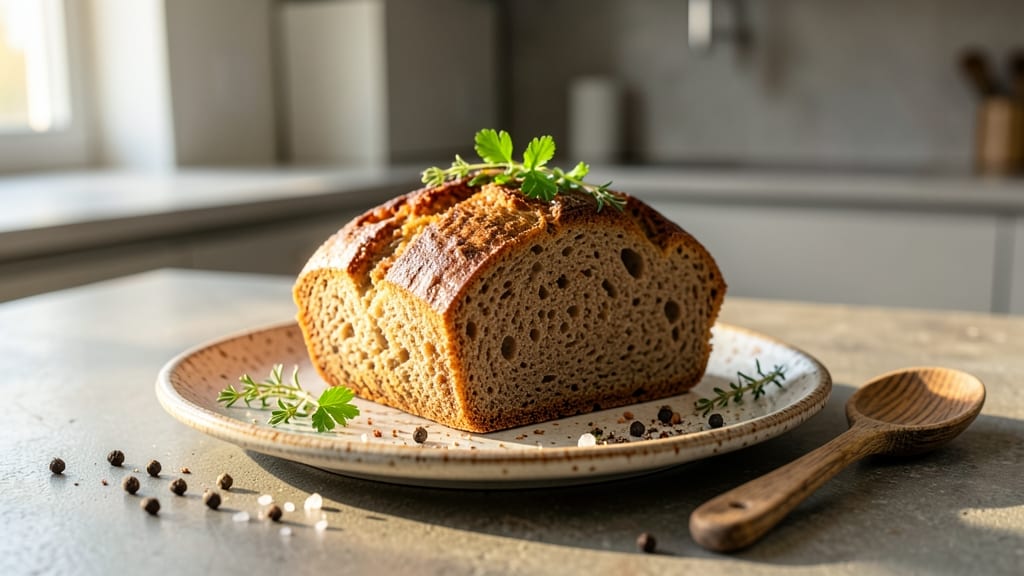
This basic brown bread recipe delivers a rustic loaf with a crisp crust and hearty whole-grain texture that transforms any meal into something special. The secret lies in combining whole wheat flour with just enough white flour for structure, creating a loaf that’s nutritious yet satisfying.
I’ve baked this version dozens of times—it’s the one my family always requests when we need that comforting, homemade bread aroma filling the kitchen.
The beauty of this recipe is its simplicity: just six core ingredients and about an hour of active time. You’ll work with a basic dough that develops flavor as it bakes, creating that perfect balance between dense crumb and crisp exterior.
The whole wheat flour gives it that characteristic nutty taste, while a touch of sugar helps with browning and texture. It’s the kind of bread that improves with each slice—ideal for sandwiches, toast, or serving alongside soups.
By the time your loaf emerges from the oven, you’ll have a golden-brown crust with an interior that’s perfectly tender yet substantial. The aroma alone will have everyone gathering around the table.
This recipe yields a standard loaf that keeps well for days, making it perfect for meal prep or gifting. The process is straightforward, but the results are anything but basic—this is bread that tastes like home.
Whether you’re new to bread baking or looking for a reliable whole-grain option, this recipe delivers consistent results. The kneading process is simple, the proofing times are manageable, and the oven temperature is forgiving.
Let’s get started on creating your perfect loaf—one that will become a staple in your kitchen for years to come.
Ingredients for basic brown bread
Six simple ingredients transform into a loaf that smells like home.
| Ingredient | Amount | Notes |
|---|---|---|
| Whole Wheat Flour 🌾 | 3 cups | King Arthur preferred for texture |
| All-Purpose Flour 🌾 | 1 cup | For lightness and structure |
| Active Dry Yeast 🍞 | 2 ¼ tsp | Or 1 packet (2.25 tsp) |
| Granulated Sugar 🍚 | ¼ cup | Light brown sugar works too |
| Salt 🧂 | 1 ½ tsp | Diamond Crystal preferred |
| Warm Water 💧 | 1 ¼ cups | 110°F for best activation |
| Olive Oil 🫒 | 1 ½ tbsp | Extra-virgin for richness |
| Honey 🍯 | 1 tbsp | For crust browning (optional) |
The whole wheat flour makes this bread special—King Arthur brand has the best texture, but any good-quality whole wheat works. I always check the expiration date on yeast; Trader Joe’s sells it in those little packets that never go bad. For the sugar, light brown adds a subtle caramel note, but white keeps it neutral. The warm water is key—too hot kills the yeast, too cold slows it down. 110°F is perfect, but if you don’t have a thermometer, just dip your finger in and make sure it feels warm, not hot. Olive oil adds richness, but if you’re watching calories, butter works too—just melt it first.
No whole wheat flour? Substitute half with rye flour for deeper flavor. Out of honey? Maple syrup or corn syrup works in a pinch. The yeast can be tricky—if your kitchen’s cold, warm the water to 105°F first. For a lighter loaf, add 1 tsp baking powder to the flour mix. The bread freezes beautifully too—just wrap it tightly in foil and thaw at room temperature. That golden crust? Brush with melted butter after baking for extra shine.
This loaf keeps 4-5 days at room temperature, wrapped in a towel. For longer storage, freeze it—up to 3 months if wrapped well. The crust gets even crunchier when toasted, so save slices for breakfast. I always bake two loaves—one for the week, one to freeze. The aroma alone makes this worth every minute. Trust me, your kitchen will smell amazing.
Why You’ll Love This Recipe
- Five-Ingredient Magic: I swear by this recipe—just flour, yeast, sugar, and salt. That’s it. No weird pantry deep-dives or last-minute grocery runs. The whole wheat adds hearty texture, while the all-purpose keeps it tender, and honestly? The yeast does all the heavy lifting while I sip my coffee.
- Warm, Earthy Comfort: There’s something about that deep brown crust and slightly sweet crumb that feels like a hug. The molasses-like richness from the whole wheat pairs perfectly with the subtle yeasty tang, and the pinch of salt? It’s the secret that makes it ridiculously good. Toast it, and it’s even better—crispy edges, soft center, every time.
- Meal Prep MVP: Between us, this bread is my go-to for lunches. Slice it fresh, and it’s perfect with peanut butter or jam. Let it sit overnight, and it’s the ideal toast for breakfast. I bake a loaf on Sundays, and it lasts me all week—no sad, dried-out bread here.
- Budget-Friendly Staple: Whole wheat flour and yeast are cheap, and this recipe stretches further than store-bought. I make two loaves for the price of one, and the leftovers? They freeze like a dream. No waste, no guilt—just reliable, delicious bread that won’t break the bank.
Step-by-step instructions for rustic brown bread
This hearty bread delivers a perfect balance of rustic crust and tender interior—every slice is packed with whole-grain goodness.
Activate the Yeast for Maximum Rise
In a small bowl, combine the 1.25 cups warm water, 0.25 cup granulated sugar, and 2.25 teaspoons active dry yeast. Stir gently and let sit for 5-10 minutes until frothy. You’ll see tiny bubbles forming on the surface—this confirms the yeast is alive and ready to work. If it doesn’t bubble, your yeast may be dead, and you’ll need to start fresh.
While waiting, whisk together the 3 cups whole wheat flour, 1 cup all-purpose flour, and 1.5 teaspoons salt in a large mixing bowl. The whole wheat flour gives this bread its nutty depth and fiber-rich texture, while the all-purpose flour ensures a light, airy crumb. Keep the flours separate from the yeast mixture until you’re ready to combine them.
Mix the Dough Until Just Combined
Create a well in the center of your dry ingredients and pour in the yeast mixture. Add the 1.5 tablespoons olive oil and 1 tablespoon honey to the well. Using a wooden spoon or dough whisk, gradually incorporate the wet ingredients into the dry until a shaggy dough forms. The olive oil adds richness, while the honey enhances browning and gives the crust that beautiful caramelized finish.
Once combined, turn the dough out onto a lightly floured surface and knead for 5-7 minutes by hand or 3-4 minutes in a stand mixer with a dough hook. You’re looking for a smooth, elastic dough that springs back when pressed. If it feels too sticky, add a little more whole wheat flour—just enough to make it manageable. Over-kneading can make the bread tough, so stop as soon as it passes the windowpane test (when you stretch a small piece, it should be translucent).
Let the Dough Rise Until Doubled
Lightly grease a large mixing bowl with olive oil and place the dough inside. Cover it with a clean kitchen towel or plastic wrap and let it rise in a warm spot for 1-2 hours, or until it has doubled in size. The warm environment helps the yeast activate faster—place the bowl near a turned-off oven with the light on, or over a bowl of hot water if your kitchen is cool.
During this time, the dough will develop a soft, airy texture as the yeast ferments. You’ll notice it puffs up noticeably and may see small bubbles on the surface. If the dough doesn’t rise well, it could be due to cold temperatures or inactive yeast. Patience here is key—don’t rush this step, as proper fermentation creates the bread’s signature texture.
Shape and Proof for Final Rise
Punch down the risen dough to release any air bubbles, then turn it out onto a lightly floured surface. Gently shape it into a loaf by folding the edges toward the center and rolling it into a smooth, slightly tapered shape. Place the loaf seam-side down in a greased 9×5-inch loaf pan. The shape helps create that classic rustic look while ensuring even baking.
Cover the loaf pan with a towel and let the dough proof for another 30-45 minutes until it rises about 1 inch above the pan. The dough should feel springy when pressed gently. Preheat your oven to 375°F during this final proofing stage—this ensures your oven is ready to go when the bread is.
Bake to Golden Perfection
Bake the loaf for 35-40 minutes until the top is deep golden brown and sounds hollow when tapped on the bottom. The crust should be crisp, while the interior should register 190-200°F on an instant-read thermometer. If the top browns too quickly, tent the loaf with foil to prevent over-browning while it finishes baking.
Remove the bread from the oven and let it cool in the pan for 10 minutes before transferring it to a wire rack. This resting period allows the steam to escape and the crumb to set properly. Slice while still warm for the best texture—each slice should reveal a tender, moist interior with a satisfying rustic crust. Store any leftovers wrapped in a bread bag at room temperature for up to 3 days, or freeze for longer storage.
Pro Tips For Making Basic Brown Bread
- Bloom the yeast first: Ditch the guesswork—mix warm water, sugar, and yeast before adding flour. If it doesn’t foam in 5–10 minutes, your bread’s about to flop. I learned this the hard way after baking a dense brick that tasted like cardboard.
- Weigh, don’t scoop, flour: Whole wheat flour packs tighter than AP flour—scooping gives you inconsistent results. Use a kitchen scale for the whole wheat portion (usually ~200g for this recipe) and measure AP flour by spooning and leveling. Your loaf’s rise depends on this.
- Skip the over-kneading: Whole wheat dough fights back—it’s tougher and drier. Knead just until smooth (about 8–10 minutes by hand), then let it rest. Overwork it, and you’ll end up with a chewy, dense loaf that’s more frustration than flavor.
- Steam the first 15 minutes: Place a metal bowl of boiling water on the oven rack while preheating. The steam helps the crust form evenly and keeps the crumb from drying out—especially critical with whole wheat’s tendency to bake faster. (Yes, even if you’re impatient like me.)
Regional styles of this recipe
Southern U.S. Style
In the American South, brown bread often takes on a denser, heartier form with a touch of sweetness. I’ve found that adding ½ cup molasses to the dough replaces the honey and gives it that classic Southern molasses flavor.
The crust becomes richer and slightly chewier, perfect for serving with butter or jam. Many Southern recipes also call for cornmeal in the dough—about ¼ cup mixed into the flour—to add a subtle crunch and nuttiness. This variation pairs beautifully with fried chicken or chili. 🍯
Irish Soda Bread Twist
For a lighter, quicker version inspired by Irish soda bread, skip the yeast entirely and replace it with 1 teaspoon baking soda. Mix the dough with 1 cup buttermilk instead of water, and add ½ cup raisins or currants for sweetness.
This version bakes in just 30-35 minutes at 375°F and has a tender, slightly tangy crumb. The lack of yeast means no rising time—ideal for busy days. I love this version toasted with a spread of Irish butter. 🍞
German Pumpernickel
German immigrants brought pumpernickel to America, and this version stays true to its roots. Use 100% whole rye flour (no all-purpose) and add 1 teaspoon caraway seeds for authentic flavor.
The dough is mixed with 1 cup dark beer (like Schwarzbräu) instead of water, and baked in a covered loaf pan for 2 hours at 325°F for a dense, dark interior. This bread keeps for weeks and is perfect with smoked meats or sharp cheeses. 🍺
Italian Focaccia-Inspired
For a Mediterranean twist, shape the dough into a flat oval and bake it in a 9×13-inch pan like focaccia. Drizzle the top with 2 tablespoons olive oil before baking, then sprinkle with flaky sea salt and dried rosemary.
This version has a crisp, airy crust and a soft interior—ideal for dipping in balsamic or serving with antipasto. I often add cherry tomatoes pressed into the dough before baking for extra freshness. 🌿
Jamaican Rum Brown Bread
Caribbean flavors shine in this version, where 2 tablespoons dark rum replaces the honey and adds a warm, aromatic depth. The dough also includes ½ cup coconut flakes for texture and a hint of sweetness.
Bake as usual, but brush the crust with a mix of melted butter and rum** after baking for a glossy finish. This bread pairs perfectly with jerk chicken or spiced teas. 🍹
Nutrition facts
Frequently asked questions
Why does my brown bread turn out dense instead of light?
Over-kneading or underproofing are the most common culprits. Whole wheat flour absorbs more liquid, so the dough needs extra time to relax—try kneading just until smooth (5-7 minutes) and letting it rise until it’s doubled in size. Also ensure your yeast is active (it should foam within 5-10 minutes in warm water). If your kitchen is cold, place the dough near a warm oven with the light on to help it rise properly.
Can I make this bread without a stand mixer?
This recipe works perfectly by hand. After combining ingredients, turn the dough onto a lightly floured surface and knead for 5-7 minutes until smooth and elastic. Press your finger into the dough—it should spring back slowly. For extra strength, use a dough scraper to help stretch and fold the dough without overworking it. Patience is key; let the dough rest if it feels tough to handle.
How do I store brown bread to keep it fresh longer?
Wrap the cooled loaf in a clean kitchen towel or bread bag and store at room temperature for up to 4-5 days. For longer storage, slice the bread and freeze the slices between parchment paper. To revive, toast frozen slices directly in the toaster—no thawing needed! The crust stays crisp, and the interior remains moist. Avoid plastic bags, as they trap moisture and make the bread soggy.
What’s the best way to revive stale brown bread?
Preheat your oven to 300°F and place the bread on a baking sheet. Wrap it in aluminum foil and bake for 10-15 minutes until warmed through. The steam from the foil will restore moisture to the crumb. For extra crispiness, broil for 1-2 minutes at the end. Alternatively, toast slices in a toaster oven at 375°F for 5 minutes to revive the texture.
Can I substitute whole wheat flour with another type?
For a lighter texture, replace 1 cup of whole wheat flour with all-purpose flour or white whole wheat flour. If you want deeper flavor, try rye flour (use a 50/50 mix) or spelt flour, but reduce the liquid slightly since these flours absorb more. For a sweeter loaf, add ¼ cup molasses or maple syrup to the dough. Always adjust hydration if your flour is coarser or finer than standard.

- Yoder Prime Rib Roast Recipe: Smoked Low and Slow to Fall-Apart Tender - November 29, 2026
- Breaded Cheese Balls Recipe: Crispy Golden Bites With Gooey Centers - November 29, 2026
- Minced Meat Spaghetti Recipe: One-Pan Italian Comfort with Rich Ragù - November 29, 2026