
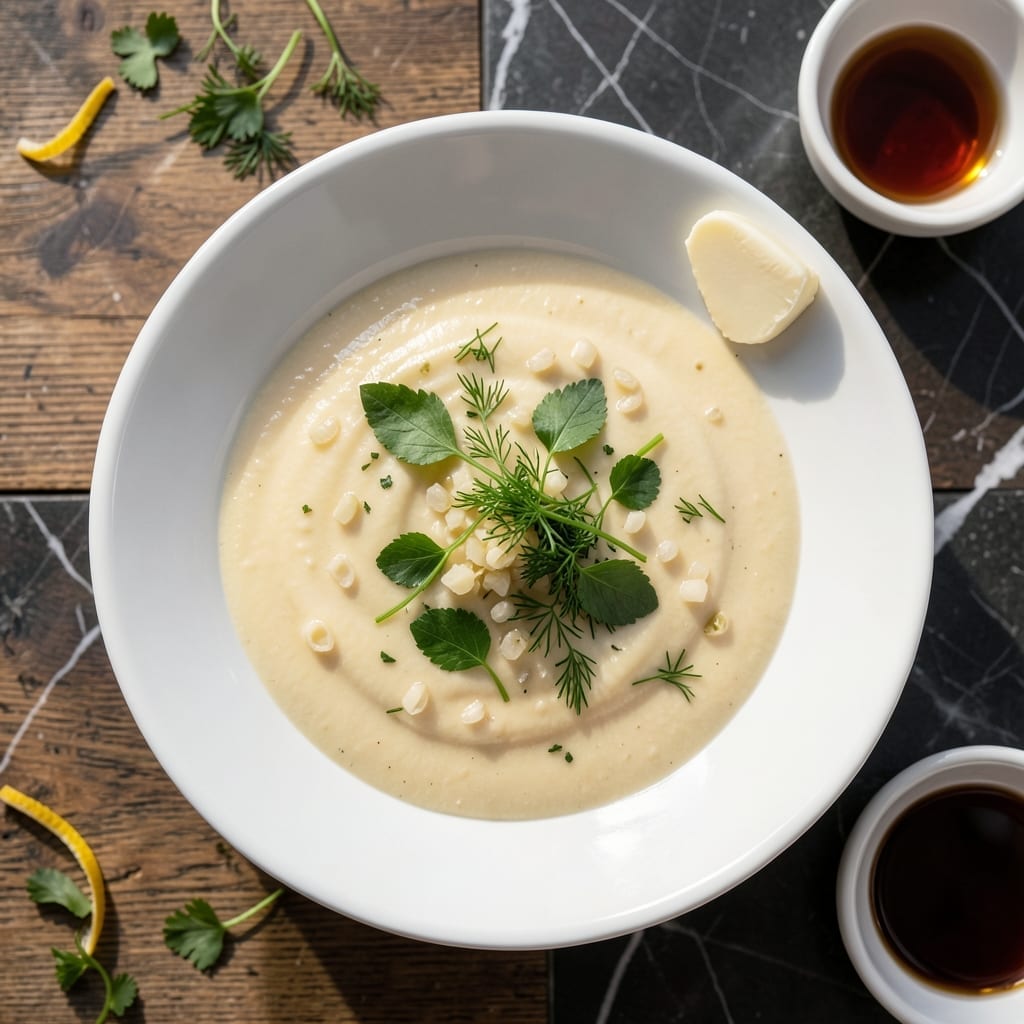
Mastering béarnaise feels like a professional milestone, but this method makes it achievable for any home cook. The key is temperature control—too hot and the emulsion breaks, too cold and it won’t come together.
This version simplifies the classic without sacrificing its signature silky texture or tarragon depth. A double boiler setup gives you the gentle heat needed to create that perfect, creamy consistency.
What results is a rich, buttery sauce with a bright herbaceous note that elevates steak, fish, or vegetables. The process is straightforward, but the payoff tastes like restaurant quality.
No specialty tools required—just a bowl, whisk, and patience. Here’s how to make it.
Ingredients for Bearnaise Sauce Recipe Easy
Nine ingredients transform into a restaurant-quality emulsion with bright herbaceous notes.
| Ingredient | Amount | Notes |
|---|---|---|
| Unsalted Butter 🧈 | 1 cup | Cut into small cubes, room temperature |
| Egg Yolks 🥚 | 3 whole | Large eggs, room temperature |
| White Wine Vinegar 💧 | 2 tbsp | Or substitute tarragon vinegar |
| Shallots 🧅 | 2 tbsp | Finely minced |
| Fresh Tarragon 🌿 | 2 tbsp | Chopped, packed |
| Fresh Chervil 🌿 | 1 tbsp | Chopped, optional |
| Salt 🧂 | ¼ tsp | Kosher or sea salt |
| White Pepper 🌶️ | ¼ tsp | Freshly ground preferred |
| Lemon Juice 🍋 | 1 tsp | Freshly squeezed |
The butter quality is non-negotiable. European-style unsalted butter (like Plugrá or Kerrygold) has higher fat content for a stable emulsion. Shallots should be fresh—not the powdered kind. For tarragon, fresh is mandatory; dried simply won’t deliver the signature depth. Most grocers stock it in the herb section, but Whole Foods has the most consistent supply.
No white wine vinegar? Champagne vinegar works at 1:1. Missing chervil (totally fine to skip)? A pinch of dried tarragon can supplement the fresh. Egg yolks must be room temperature—cold yolks resist emulsifying. If avoiding raw eggs, pasteurized yolks are a safe alternative, though the texture may be slightly less velvety.
Béarnaise doesn’t store well. Use within 2 hours for peak texture, or keep warm in a thermos for 1 hour. Never refrigerate the finished sauce—it will separate. Fresh herbs keep 3-4 days wrapped in damp paper towels in the fridge.
Why You’ll Love This Recipe
- I’ll be real: leftovers taste just as good the next day, and it’s cheaper than store-bought.
- 5-Minute Whisk: I can make this while my steak rests—just melt butter, whisk egg yolks, and let the vinegar-shallot reduction do the work.
- Buttery Tarragon Magic: The fresh tarragon and shallots steeped in vinegar cut through the rich butter and yolks in the most crave-worthy way.
- Steak Night Hero: Honestly, it turns a simple grilled chicken or even roasted veggies into something restaurant-worthy.
Step-by-Step Instructions for Bearnaise Sauce
This method simplifies a classic French emulsion into manageable steps without sacrificing quality.
Step 1: Reduce the Aromatic Infusion
Combine the 2 tbsp white wine vinegar and 2 tbsp finely minced shallots in a small saucepan. Simmer over medium heat until the liquid reduces by half and the shallots become translucent—about 3-4 minutes.
This concentrated base provides the acidic foundation that balances the richness of the sauce. The shallots should soften completely but not brown. Remove from heat and let cool for 2 minutes before proceeding.
Step 2: Temper the Egg Yolks with Vinegar Reduction
In a heatproof bowl, whisk the 3 whole egg yolks until slightly thickened. While whisking constantly, slowly drizzle in the warm vinegar-shallot mixture. This tempering step prevents the eggs from scrambling when exposed to heat.
The mixture should become pale and slightly ribbony. This creates a stable emulsion base that will hold the 1 cup unsalted butter as you add it. Keep the bowl over a pot of barely simmering water, ensuring the bottom doesn’t touch the water.
Step 3: Create the Emulsion with Butter
Begin adding the 1 cup unsalted butter (cut into small cubes, room temperature) one piece at a time, whisking constantly. Each cube should fully incorporate before adding the next. This gradual process is crucial for a stable, creamy sauce.
After adding about half the butter, you can increase to a slow stream while maintaining vigorous whisking. The sauce should thicken to a consistency that coats the back of a spoon. If it becomes too thick, add 1 tsp lemon juice to loosen it.
Step 4: Finish with Herbs and Seasoning
Remove the bowl from the heat. Stir in the 2 tbsp fresh tarragon, 1 tbsp fresh chervil, 0.25 tsp salt, and 0.25 tsp white pepper. Taste and adjust seasoning if needed—the sauce should have a bright, herby flavor with a subtle tang.
If the sauce appears too thin, return it to the double boiler for another 30 seconds of gentle heat while whisking. The residual heat will help it reach the perfect consistency without breaking the emulsion.
Pro Tips For Making Bearnaise Sauce Recipe Easy
- Temper the Eggs: Whisk a spoonful of the warm butter mixture into the egg yolks first—I learned this the hard way after scrambling more than a few sauces trying to rush it.
- Strain the Reduction: After simmering the shallots, vinegar, and tarragon, strain out the solids for a silky smooth sauce—sounds like extra work, but it’s worth the 30 seconds.
- Skip the Salt: Use unsalted butter and hold off on seasoning until the end, since the reduction can vary in saltiness depending on your vinegar and shallots.
- Keep It Warm: Use a double boiler or a bowl over barely simmering water to gently cook the sauce—cranking the heat is the fastest way to turn béarnaise into scrambled eggs.
Perfect Pairings for This Dish
Steak Pairings
Béarnaise and steak are a match made in culinary heaven. I love it with a perfectly cooked ribeye or filet mignon—the rich, buttery sauce complements the beef’s natural flavors beautifully. Serve 2-3 tbsp per steak for ideal balance. 💪
Seafood Options
This sauce works wonderfully with grilled or poached fish. Try it with salmon, halibut, or even scallops. The bright tarragon notes cut through the richness of fatty fish, while the creamy texture adds luxury to leaner varieties.
Vegetable Sides
Drizzle over asparagus, artichokes, or roasted potatoes for an elevated side dish. I particularly enjoy it with steamed broccoli—the sauce clings perfectly to the florets. A little goes a long way, so start with 1 tbsp per serving.
Egg Dishes
Transform your breakfast by spooning béarnaise over poached eggs or an omelet. The combination creates a decadent brunch option. For eggs Benedict, use 2 tbsp per English muffin half.
Bread Applications
Use as a dip for crusty bread or as a spread for gourmet sandwiches. I love it on a French dip sandwich with rare roast beef. The sauce also makes an excellent base for a grilled cheese upgrade.
Wine Pairing
A crisp Sauvignon Blanc or Chardonnay pairs beautifully, complementing the tarragon notes. For red wine lovers, a light Pinot Noir works well without overpowering the sauce. 🍷
Nutrition Facts
Frequently Asked Questions
Can I make this ahead of time?
Béarnaise is best served fresh within 2 hours. For longer holding, keep it warm in a thermos for up to 1 hour, but never refrigerate as it will separate.
Why did my sauce break?
This happens if the emulsion gets too hot or butter is added too quickly. If it breaks, whisk in 1 tsp cold water to help re-emulsify. Maintain gentle heat and patience.
Can I use dried tarragon?
Fresh tarragon is essential for authentic flavor. Dried lacks the bright, anise-like notes that define this sauce. If unavailable, try 1 tsp fresh dill as a substitute.
What’s the best way to fix thin sauce?
Return the bowl to the double boiler and whisk vigorously for 30 seconds. The residual heat will thicken it without breaking the emulsion.

- BBQ Sausage Recipe Oven: Smoky Depth Without the Grill - September 28, 2026
- BBQ Chicken Bowl Recipe Rice: Smoky Sweetness Over Fluffy Grains - September 28, 2026
- Beef Cutlet Recipe Ideas: Crispy Breaded Patties With Bold Seasonings - September 28, 2026