
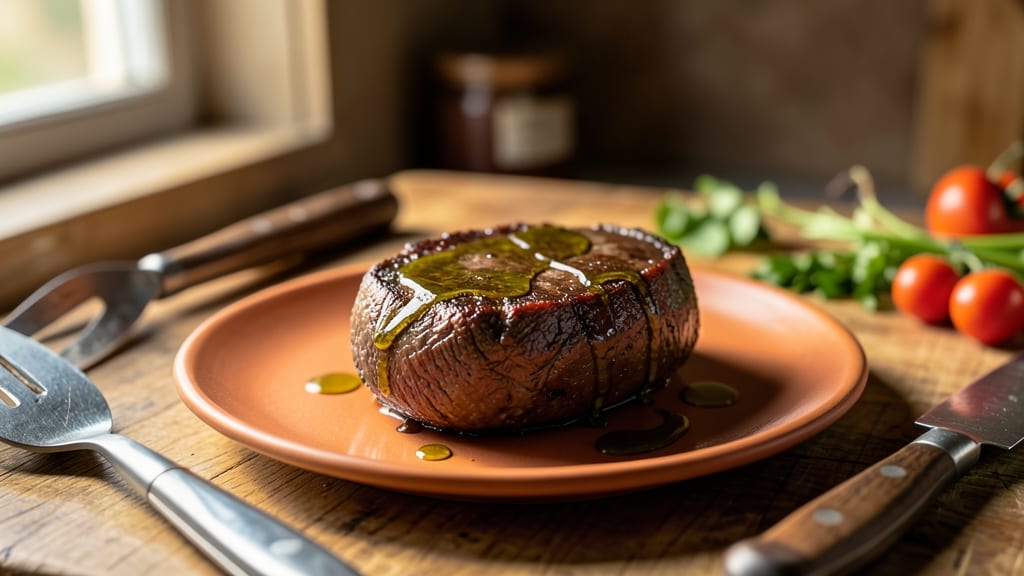
Transforming beef stomach into buttery tenderness requires patience and precision, but the result is a dish that rivals the most celebrated stews from around the world.
This method preserves the rich, meaty texture while breaking down tough fibers into luxurious, melt-in-your-mouth bites—perfect for those who appreciate the depth of offal cuisine. The secret lies in slow braising, where the stomach absorbs flavors until it becomes so tender it practically dissolves at the touch of a fork.
What sets this recipe apart is its simplicity: one pot, minimal prep, and a technique that delivers restaurant-quality results at home. You’ll start with thorough cleaning and trimming—critical steps that ensure a clean, pleasant texture—before simmering the beef stomach in aromatic broth until it reaches that coveted tenderness.
The key is low, consistent heat, allowing the collagen to render without overcooking the meat.
By the time you’re done, you’ll have a dish that’s rich, deeply flavorful, and impossibly tender—ideal for serving with crusty bread or over mashed potatoes. The slow-braised method transforms tough cuts into something luxurious, proving that offal can be just as satisfying as prime cuts.
This is comfort food at its finest, with a technique that’s both traditional and foolproof.
Whether you’re cooking for a family dinner or exploring global flavors, this beef stomach recipe delivers a hearty, satisfying meal that’s sure to impress. The process may require time, but the reward—a perfectly tender, flavorful dish—is worth every minute. Let’s get started on creating something extraordinary.
Ingredients for beef stomach
Transform tough beef stomach into luxurious tenderness with these carefully chosen ingredients.
| Ingredient | Amount | Notes |
|---|---|---|
| Beef Stomach (Tripe) 🥩 | 1 ½ lb | Fresh, thoroughly cleaned and trimmed |
| Yellow Onion 🧅 | 1 whole | Medium size, sliced into half-moons |
| Carrots 🥕 | 3 medium | Peeled and cut into chunks |
| Garlic Cloves 🧄 | 6 cloves | Peeled and smashed |
| Celery Stalks 🥬 | 3 whole | Cut into 1-inch pieces |
| Tomato Paste 🍅 | ¼ cup | High-quality, no sugar added |
| Red Wine 🍷 | 1 cup | Dry, full-bodied variety |
| Beef Broth 💧 | 4 cups | Homemade or high-quality store-bought |
| Olive Oil 🫒 | 2 tbsp | Extra-virgin, for searing |
| Bay Leaves 🌿 | 2 whole | Dried, for aromatic depth |
| Thyme Sprigs 🌿 | 4 whole | Fresh, or 1 tsp dried |
| Salt 🧂 | 1 ½ tsp | Diamond Crystal kosher salt |
| Black Peppercorns 🌶️ | 1 tsp | Freshly cracked |
| Tomatoes 🍅 | 2 medium | Ripe, diced for garnish |
| Fresh Parsley 🌿 | ¼ cup | Chopped, for garnish |
The beef stomach is the star, and its quality is non-negotiable. Source it from a trusted butcher or specialty market—Whole Foods or D’Artagnan carry excellent options. Look for a piece with minimal fat and a clean, pale interior. If you’re unsure about cleaning it yourself, most butchers will do it for you. The key is thorough rinsing and scraping to remove any lingering residue. For the broth, homemade is ideal, but high-quality store-bought like Kitchen Basics works in a pinch. The tomato paste should be no-sugar-added—the last thing you want is a sweet aftertaste masking the rich beef flavor.
No red wine? Substitute with additional beef broth and a splash of balsamic vinegar—it adds depth without overpowering. Fresh thyme is preferred, but dried works at one-third the amount. If you can’t find beef stomach, pork belly or pork trotter can be used in a pinch, though the texture will differ. The carrots and celery form the aromatic base, so don’t skimp—organic produce ensures no bitter aftertaste. For the tomatoes, San Marzano canned tomatoes are perfect if you’re short on fresh ones, but they should be added at the end to preserve their brightness.
This dish rewards patience—simmering low and slow for 3-4 hours is ideal. Store leftovers in an airtight container in the fridge for up to 5 days, though it’s best enjoyed within 2-3 days for peak tenderness. The flavors deepen over time, so reheating gently with a splash of broth is recommended. For meal prep, portion into individual containers—each serving is a hearty, satisfying bite. Freezing isn’t recommended beyond 1 month, as the texture can become grainy.
Why You’ll Love This Recipe
- One-Pot Magic: I swear by this—just dump everything in one pot, simmer, and walk away. The onions and celery soften while you’re still chopping, and by the time the garlic’s golden, the tripe’s tender enough to cut with a fork. No fancy steps, no stress.
- Umami Bomb: That crispy, caramelized edge on the tripe? Chef’s kiss. The onions and carrots sweeten into the beef stomach, while the garlic cloves turn it into something dangerously addictive—like a flavor party you didn’t even know you needed. Honestly, I’ll take this over takeout any day.
- Leftovers That Beg: This dish tastes better the next day, and I’m not joking. The flavors meld into something rich and satisfying, so I always make double. Pack it in containers for lunches, or freeze portions—your future self will thank you when you’re reheating a hearty, budget-friendly meal in seconds.
- Budget Hero: A pound of beef stomach feeds four for under $10, and the veggies stretch it even further. Between us, this is how I feed my family without breaking the bank. Plus, the prep is so simple, I don’t even mind when my kids “help” by stirring—mostly because it means one less thing for me to do.
Step-by-step instructions for braised beef stomach
Transform tough tripe into melt-in-your-mouth tenderness using this precise braising technique.
Prepare the Beef Stomach for Cooking
Begin by thoroughly rinsing the 1.5 lb beef stomach under cold water while gently scraping away any remaining membrane or debris with your fingers. The goal is to create a clean surface that will absorb flavors during braising. Place the cleaned tripe in a large pot and cover it completely with cold water. Bring to a boil over high heat, then immediately reduce to a simmer for 10 minutes to remove any remaining impurities.
Drain and repeat this blanching process once more. After the second simmer, drain again and transfer the tripe to a cutting board. Using sharp kitchen shears, trim away any remaining fat or connective tissue. The tripe should now be clean, white, and ready for the braising process. This preparation ensures the tripe will become tender rather than rubbery during cooking.
Sear the Tripe for Deep Flavor
Heat 2 tablespoons olive oil in a heavy Dutch oven over medium-high heat until shimmering. Working in batches if needed, sear the tripe on all sides until deeply golden brown, about 3-4 minutes per side. The tripe will release its natural juices as it cooks, which helps create a flavorful fond at the bottom of the pot.
Remove the seared tripe and set it aside. In the same pot, add the sliced 1 whole yellow onion, 3 medium carrots cut into chunks, 3 whole celery stalks cut into 1-inch pieces, and 6 cloves garlic that have been smashed. Sauté for 5 minutes until the vegetables soften slightly and begin to caramelize. This aromatic base will infuse the braising liquid with complex flavors.
Build the Braising Liquid
Deglaze the pot by adding 1 cup red wine, scraping up all the browned bits from the bottom. Allow the wine to reduce by half, about 3 minutes, until it becomes syrupy. Stir in 0.25 cup tomato paste and cook for 1 minute to develop its rich, umami depth.
Add 4 cups beef broth, 1.5 teaspoons salt, 1 teaspoon freshly cracked black peppercorns, 2 whole bay leaves, and 4 whole thyme sprigs. Return the seared tripe to the pot, ensuring it’s fully submerged in the liquid. Bring to a gentle simmer, then reduce heat to maintain a low bubble just breaking the surface. This controlled temperature is crucial for breaking down connective tissues without toughening the meat.
Braise Until Fork-Tender
Cover the pot and braise the tripe for 3 hours, maintaining a gentle simmer. After the initial 3 hours, check for tenderness by piercing a thick section with a fork. If it still offers resistance, continue braising for another 30-60 minutes. The liquid should reduce significantly but remain sufficient to coat the tripe.
Here’s the thing—braising tripe requires patience. The collagen in the connective tissue needs time to convert to gelatin, which makes the meat tender. If the liquid reduces too much before the tripe is tender, add enough hot water to maintain about 2 inches of liquid above the tripe. This ensures the meat stays moist and continues to break down properly.
Finish and Serve
Once the tripe is fork-tender, remove it from the braising liquid and transfer to a serving platter. Strain the cooking liquid through a fine-mesh sieve to remove any impurities, then return it to the pot. Skim off any excess fat that has risen to the surface. The resulting sauce should be rich, flavorful, and slightly thickened.
Slice the tripe against the grain into ½-inch thick pieces. Ladle the strained braising liquid over the tripe and garnish with diced 2 medium tomatoes and 0.25 cup chopped fresh parsley. Serve immediately with crusty bread or over polenta to soak up every drop of that luxurious sauce. The tripe should be so tender it nearly falls apart with gentle pressure, delivering a buttery, melt-in-your-mouth texture with deep, savory flavors.
Pro Tips For Making Beef Stomach
- BLANCH BEFORE CUTTING: Drop the raw beef stomach in boiling water for 30 seconds first—this loosens the fibers and makes it easier to slice without tearing. I learned this the hard way after struggling to get even cuts; now I just blanch, shock in ice water, and slice like butter.
- SALT THE TRIPE LONG: Toss the cleaned tripe in 1-2 tablespoons of salt per pound and let it sit for at least 2 hours (overnight if possible). This breaks down the tough collagen and keeps it from turning rubbery—my grandmother swore by this, and she was right.
- LOW AND SLOW WINS: After browning the onions and garlic, reduce heat to low and cover the pot. Beef stomach needs 1.5–2 hours of gentle simmering to tenderize—rushing it makes it chewy. Sounds boring, but it’s the thing that matters most.
- ROAST THE VEGETABLES FIRST: Toss chopped carrots, celery, and onions with oil, salt, and pepper, then roast at 400°F for 20 minutes before adding to the pot. They’ll caramelize and add depth without competing for heat. (Yes, even if you’re impatient like me.)
Serving suggestions for this dish
Crusty Bread Pairing
Nothing complements braised beef stomach like a warm, crusty loaf to soak up every drop of that rich sauce. I reach for a sourdough baguette from my local bakery—its open crumb structure traps the tender tripe and sauce beautifully.
For extra flair, brush the bread with garlic-infused olive oil and sprinkle with flaky sea salt before serving. The contrast of crispy crust and soft interior makes each bite unforgettable. 🥖
Polenta as a Base
For a heartier presentation, serve the tripe over creamy polenta that absorbs the sauce while adding a comforting texture. I use stone-ground polenta cooked in chicken broth for extra depth, then top it with the sliced tripe and a ladle of the braising liquid.
The polenta’s slight graininess balances the tripe’s melt-in-your-mouth tenderness. Garnish with grated Parmesan for a touch of umami. 🍲
Tomato and Basil Salad
A bright, acid-cutting salad cleanses the palate between rich bites. Toss heirloom tomatoes, fresh basil, and shaved fennel with a dressing of extra-virgin olive oil, aged balsamic vinegar, and a pinch of flaky salt.
The juicy tomatoes and peppery basil provide a refreshing contrast to the deep, savory flavors of the tripe. Serve chilled to highlight its freshness. 🍅
Roasted Potatoes
For a rustic touch, Yukon Gold potatoes roasted in duck fat until crispy add a satisfying crunch. Toss the potatoes with rosemary, garlic powder, and smoked paprika before roasting at 425°F for 40 minutes.
Their caramelized edges and fluffy interiors make them the perfect side to balance the tripe’s richness. 🥔
Garnish Like a Pro
Elevate your dish with thoughtful garnishes that highlight the tripe’s natural flavors. A sprinkle of toasted breadcrumbs adds crunch, while pickled red onions introduce a tangy brightness.
For a touch of freshness, scatter chopped parsley or thinly sliced radishes over the top. These finishing touches transform a simple braise into a restaurant-worthy plate. ✨
Wine and Beer Pairings
A bold red wine like Chianti or Malbec complements the dish’s richness, while a crisp lager like Peroni cuts through the fat. For beer lovers, a Belgian witbier with its citrus notes balances the tripe’s savory depth.
Serve the wine at 60°F to preserve its aromas, and chill the beer to 45°F for a refreshing contrast. 🍷
Nutrition facts
Frequently asked questions
How do I properly clean beef stomach before cooking?
Start by rinsing the beef stomach under cold water while gently scraping away any remaining membrane or debris with your fingers. Then, blanch it twice in boiling water for 10 minutes each time to remove impurities. After draining, trim away any visible fat or connective tissue. This thorough cleaning ensures a clean, pleasant texture that absorbs flavors beautifully.
Can I substitute red wine in this recipe?
Yes! If you don’t have red wine, use 1 cup beef broth + 1 tablespoon balsamic vinegar for depth. For a non-alcoholic option, try apple cider vinegar or lemon juice with extra broth. The key is balancing acidity and richness to complement the beef stomach’s natural flavors.
Why does beef stomach need so much braising time?
The collagen in beef stomach requires 3-4 hours of gentle simmering to break down into gelatin, transforming tough fibers into tender, buttery bites. Skipping this step results in rubbery texture. The low heat is critical—it’s the secret to achieving that luxurious melt-in-your-mouth result.
What’s the best way to store leftovers?
Keep leftovers in an airtight container in the fridge for up to 5 days. For longer storage, freeze in portions for 1 month (though texture may change slightly). Reheat gently with a splash of broth to restore moisture. The flavors actually deepen over time!
Is beef stomach the same as tripe?
Yes! Beef stomach is a type of tripe (specifically, the honeycomb tripe variety), known for its delicate texture when properly prepared. Other tripe cuts (like blanket tripe) have different textures but follow similar braising techniques. The key is patience—all tripe benefits from slow cooking.

- Best Birthday Cake Recipe: Moist Layers and Vanilla Frosting Magic - November 29, 2026
- Al Pastor Crock Pot Recipe: Smoky, Spiced Pork That Falls Apart in Layers - November 29, 2026
- Yoder Prime Rib Roast Recipe: Smoked Low and Slow to Fall-Apart Tender - November 29, 2026