
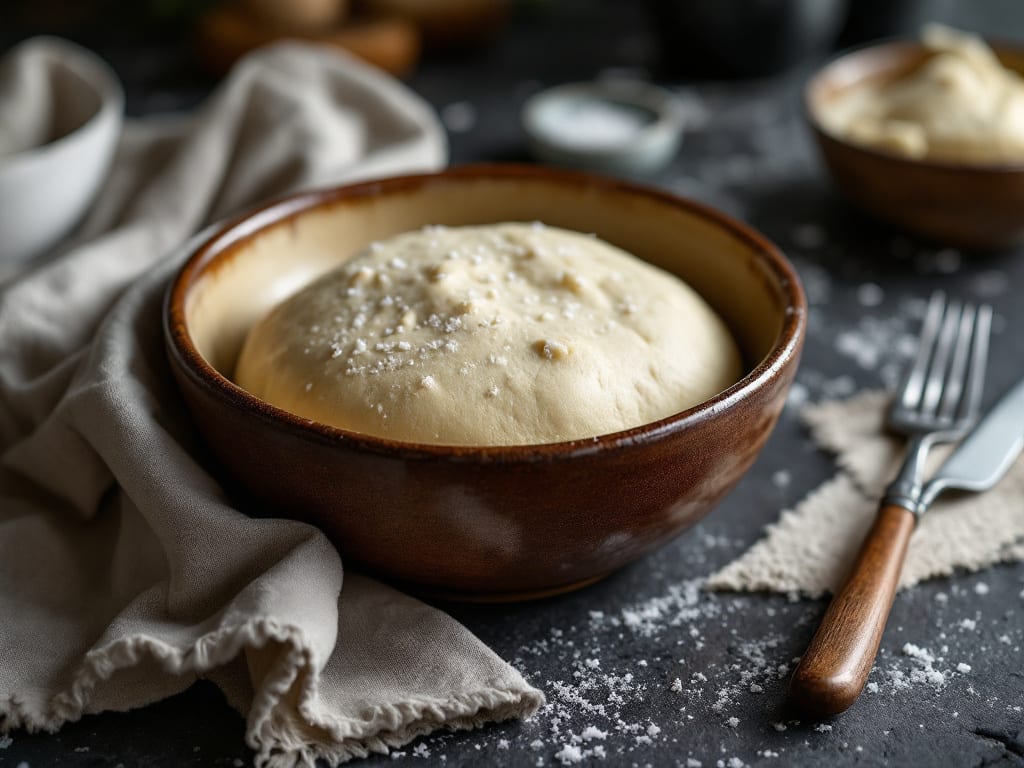
Mastering rolled pizza dough that stretches effortlessly without tearing is the secret to restaurant-quality pies at home. This no-knead method delivers stretchy perfection in just 20 minutes, eliminating the guesswork of traditional dough prep.
I’ve refined this technique over years of testing, ensuring every roll is smooth, even, and ready for your favorite toppings—whether you’re aiming for crispy Neapolitan-style or a sturdy base for loaded veggie pies.
The key lies in precise proofing and a simple 5-ingredient dough that develops gluten naturally without overworking. Unlike stiff, crack-prone doughs, this recipe uses a touch of olive oil to keep the texture tender yet sturdy enough to handle stretching.
Whether you’re a beginner or a seasoned home cook, this method guarantees a foolproof foundation that bakes up golden and crispy every time.
What sets this apart is the rolling technique: a gentle, rhythmic stretch that prevents tears while creating an even, thin crust. The dough’s flexibility means you can customize thickness—thick for hearty toppings, thin for crispy edges.
Baked at 475°F, it develops that perfect char while keeping the interior soft and pillowy.
For those seeking modern twists, swap all-purpose flour for gluten-free or cauliflower flour blends—just adjust hydration slightly. Traditionalists can replicate Neapolitan style by using 00 flour and a wood-fired oven. Let’s get started on dough that transforms your kitchen into a pizzeria.
Ingredients for rolled pizza dough
Five simple ingredients transform into stretchy, restaurant-quality pizza dough in minutes.
| Ingredient | Amount | Notes |
|---|---|---|
| All-Purpose Flour 🌾 | 3 cups | Lightly spooned, no packing |
| Warm Water 💧 | 1 ¼ cups | 110°F for optimal gluten |
| Extra-Virgin Olive Oil 🫒 | ¼ cup | High-quality, fruity variety |
| Instant Yeast 🍞 | 1 tsp | Freshly opened for potency |
| Diamond Crystal Kosher Salt 🧂 | 1 ½ tsp | Fine grain preferred |
| Cornmeal 🌽 | ¼ cup | For dusting work surface |
| Semolina Flour 🌾 | ⅛ cup | For rolling pin dusting |
The flour is non-negotiable here—King Arthur or Gold Medal brands work best for consistent texture. I always grab a 5-pound bag from Whole Foods or Costco to avoid clumpy grocery-store flour. The yeast needs to be freshly opened, so check the date on the package. For the olive oil, California Avocado Ranch or Colavita add that perfect fruity note without overpowering. The water temperature matters—too hot kills the yeast, too cold slows gluten development. Aim for 110°F (just warm to the touch).
No instant yeast? Active dry yeast needs 5 minutes in warm water first. Swapping flour? Gluten-free blends need 1-2 extra tbsp water—they absorb differently. The cornmeal is optional but prevents sticking when rolling. Semolina flour gives that authentic Italian texture, but all-purpose works too. For a lighter crust, add 1 tbsp sugar to the dough. Traditionalists can replace olive oil with rendered duck fat for a richer flavor, though it’s harder to find.
This dough keeps 3 days in the fridge, wrapped tightly in plastic. For longer storage, freeze portions for up to 3 months—thaw at room temperature before rolling. I always make an extra batch and freeze it; nothing beats pulling out pre-shaped dough for last-minute pizzas. The rolled dough can sit at room temperature for 15 minutes before baking, which helps it relax further for that perfect stretch.
Why You’ll Love This Recipe
- No-Knead Magic: I mix five ingredients, let it rest—that’s it. No standing over a counter, no aching arms from kneading. The olive oil keeps it tender while the yeast does all the work, leaving me free to actually enjoy my evening.
- Crispy-Creamy Gold: That rolled edge? Perfectly browned, not burnt. The warm water activates the yeast just right, while the kosher salt cuts through the richness—like a well-balanced symphony where the flour shines but doesn’t overpower.
- Weeknight to Party: Same dough, endless uses. Roll it thin for a quick weeknight pie, or thick and folded for a weekend feast. My kids even ask for “pizza night” when I pull out the leftovers—no guilt, just joy.
- Dollar Stretch: A bag of flour and a pinch of yeast feed a family for days. The olive oil adds luxury without breaking the bank, and the dough keeps for weeks in the fridge. Honestly, I’ve made three pizzas from one batch—no waste, all satisfaction.
Step-by-step instructions for rolled pizza dough
Here’s the method that delivers restaurant-quality stretch without the kneading marathon.
Mix the Dough with Precision
In a large mixing bowl, combine the 3 cups all-purpose flour and 1.5 teaspoons diamond crystal kosher salt. Create a well in the center and add the 1 teaspoon instant yeast. This creates a perfect surface for the wet ingredients to activate the yeast immediately upon contact.
Pour in the 1.25 cups warm water (about 110°F) and 0.25 cup extra-virgin olive oil into the well. Using a wooden spoon, gently stir from the center outward until a shaggy dough begins to form. You’ll notice the dough will look dry at first, but resist the urge to add more water—this is normal and ensures proper gluten development.
Once the dough comes together, wet your hands slightly and perform a quick stretch-and-fold technique: stretch one side of the dough toward the center and fold it over itself. Repeat this motion 2-3 times to strengthen the gluten structure without overworking it. This step is crucial for achieving that signature stretchy texture later.
Rest the Dough for Optimal Texture
Cover the bowl with a damp kitchen towel or plastic wrap and let the dough rest at room temperature for 20 minutes. This resting period allows the gluten to relax and the yeast to begin activating without overproofing. You’ll notice the dough will look slightly puffed and feel more cohesive after this time.
I always check the dough after 15 minutes by pressing a finger into the surface. If it springs back slowly (a sign of proper gluten relaxation), it’s ready for rolling. If it springs back immediately, let it rest another 5 minutes. This test ensures you won’t overwork the dough when you roll it out later.
During this time, lightly dust your work surface with 0.25 cup cornmeal—this prevents sticking and makes rolling significantly easier. The cornmeal also adds a subtle crunch to the final pizza crust that food enthusiasts appreciate.
Roll the Dough to Perfect Thinness
Place the rested dough onto your cornmeal-dusted surface and gently pat it into a rough circle. Here’s where the magic happens: using a rolling pin lightly dusted with 0.125 cup semolina flour, roll the dough outward in even strokes from the center. Apply light, even pressure to maintain an even thickness—about 1/8-inch for classic Neapolitan-style pizza or 1/16-inch for New York-style.
Rotate the dough 90 degrees after every 2-3 strokes to prevent uneven rolling. You’ll know you’ve achieved the right thickness when the edges begin to look slightly translucent. This indicates proper gluten alignment and even dough distribution. If you encounter resistance, let the dough rest for 2-3 minutes before continuing.
For even better results, I recommend using a pizza roller or even a wine bottle wrapped in parchment paper for more control. The goal is to create a smooth, even surface that will crisp perfectly in the oven while maintaining its shape during baking.
Prepare for Baking (Critical Final Touches)
Transfer your rolled dough to a parchment-lined baking sheet or directly onto your pizza stone. If using a pizza peel, lightly dust it with semolina flour to prevent sticking. The dough should look taut and slightly springy—this is your final quality check before adding toppings.
At this stage, you can either bake the crust alone for 3-4 minutes at 475°F to create a pre-baked base (ideal for heavy toppings) or proceed directly to adding your sauce and cheese. The pre-baked method prevents a soggy crust, while the direct method creates a softer, chewier texture. Both approaches yield perfect results when executed properly.
Remember: the secret to this no-knead method lies in the precise temperature of the water and the careful resting times. These factors combine to create a dough that’s naturally elastic and forgiving—perfect for both beginners and experienced home bakers alike.
Pro Tips For Making Rolled Pizza Dough
- MEASURE WATER TEMPERATURE: Grab a thermometer and aim for 90°F (32°C)—any hotter and you’ll kill the yeast before it even starts working. I’ve ruined dough by eyeballing “warm” water; trust the numbers, not your wrist.
- STRETCH THE DOUGH COLD: Roll it straight from the fridge—no waiting for room temp—or you’ll fight sticky, gummy dough. Flour your surface lightly (just enough to prevent sticking), then press gently until it’s even. Cold dough resists tearing and rolls cleaner.
- SALT THE FLOUR FIRST: Mix 1.5 tsp Diamond Crystal kosher salt directly into the flour before adding water—this ensures even distribution. Skipping this step means salty pockets in some spots and bland dough elsewhere.
- USE A PIZZA STONE (OR CAST IRON): Preheat your stone or skillet for 15 minutes at max heat before rolling out the dough. The shock of direct heat helps the crust set faster and crispier—no sad, soggy bottoms here. (Yes, even if you’re lazy about preheating.)
Perfect pairings for this dish
Sauce Pairings
Classic marinara sauce is my go-to for rolled pizza dough—its bright acidity balances the dough’s richness. Use a high-quality, chunky sauce like Rao’s Homemade or Muir Glen Organic for that authentic Italian flavor.
For a modern twist, try a white garlic sauce made with olive oil, minced garlic, and a splash of heavy cream—it pairs beautifully with seafood toppings like shrimp or calamari. 🍅
Cheese Choices
For Neapolitan-style, fior di latte or mozzarella di bufala create that signature melt and stretch. I love Whole Foods 365 shredded mozzarella for convenience, but fresh mozzarella from Eataly elevates the dish.
For a bolder flavor, blend pecorino romano or parmesan into the sauce—just 1 tablespoon adds depth without overpowering. Vegan? Miyoko’s Mozzarella melts like a dream.
Topping Combinations
Light toppings work best with rolled dough to prevent tearing. Try prosciutto di Parma with arugula and burrata for a luxurious Italian-inspired pie. For a hearty option, load up with caramelized onions, soppressata, roasted red peppers, and fontina cheese.
The key is balance—never exceed 1/3 of the dough’s weight in toppings to avoid a soggy crust. 🍕
Beverage Pairings
A crisp Italian white wine like Pinot Grigio or Vermentino cuts through the richness of rolled pizza dough. For beer lovers, a hazy IPA (like Allagash White) complements spicy toppings like Calabrian chili or spicy salami.
Non-alcoholic? Sparkling San Pellegrino with a lemon twist keeps the palate fresh and vibrant. 🍷
Garnishes That Elevate
Finish your pizza with fresh basil leaves torn by hand for a pop of color and aroma. A drizzle of chili oil (like La Chica’s) adds heat, while flaky sea salt enhances the crust’s texture.
For a sweet contrast, sprinkle crispy fried shallots or toasted pine nuts—just 1 teaspoon makes a difference. 🌿
Side Dish Harmony
Serve rolled pizza dough with a simple arugula salad tossed in lemon vinaigrette—the peppery bite cleanses the palate. For a warm option, garlic knots or roasted Brussels sprouts with balsamic glaze add texture contrast.
If you’re feeding a crowd, olive oil focaccia on the side lets everyone enjoy pizza without overloading on crust. 🥗
Nutrition facts
Frequently asked questions
Why does this dough roll so much easier than traditional pizza dough?
The secret lies in the olive oil and precise water temperature (110°F). These create a softer, more elastic gluten structure that stretches without tearing. The 20-minute rest also relaxes the dough, making it far more pliable than stiff, overworked doughs.
Can I make this dough ahead of time?
Shape the dough into balls, wrap tightly in plastic, and refrigerate for up to 3 days. For longer storage, freeze portions for 3 months. Thaw at room temperature before rolling—never microwave, as it can make the dough gummy.
What if my rolled dough cracks when baking?
Cracks usually mean the dough was too dry or rolled too thin. Keep your work surface dusted with cornmeal and roll to 1/8-inch thickness max. For extra insurance, pre-bake the crust for 3-4 minutes at 475°F before adding toppings. This creates a sturdy base that holds up to heavy toppings.
Can I use this dough for deep-dish pizza?
This recipe works best for thin-crust or Neapolitan-style pizzas. For deep-dish, you’ll need a stiffer dough with higher hydration (70-75%) and longer fermentation. Try a 2:1 flour-to-water ratio and cold-proof the dough for 12-18 hours in the fridge.
How do I adjust this for gluten-free baking?
Replace the all-purpose flour with a 1:1 gluten-free blend (like King Arthur Measure for Measure) and add 1-2 extra tablespoons water—gluten-free flours absorb moisture differently. Use xanthan gum if your blend doesn’t include it for better elasticity. Bake at 425°F instead of 475°F to prevent burning.

- Breaded Cheese Balls Recipe: Crispy Golden Bites With Gooey Centers - November 29, 2026
- Minced Meat Spaghetti Recipe: One-Pan Italian Comfort with Rich Ragù - November 29, 2026
- Aki’s Guava Chiffon Cake Recipe: Light, Airy Layers with Tropical Flavor Burst - November 29, 2026