
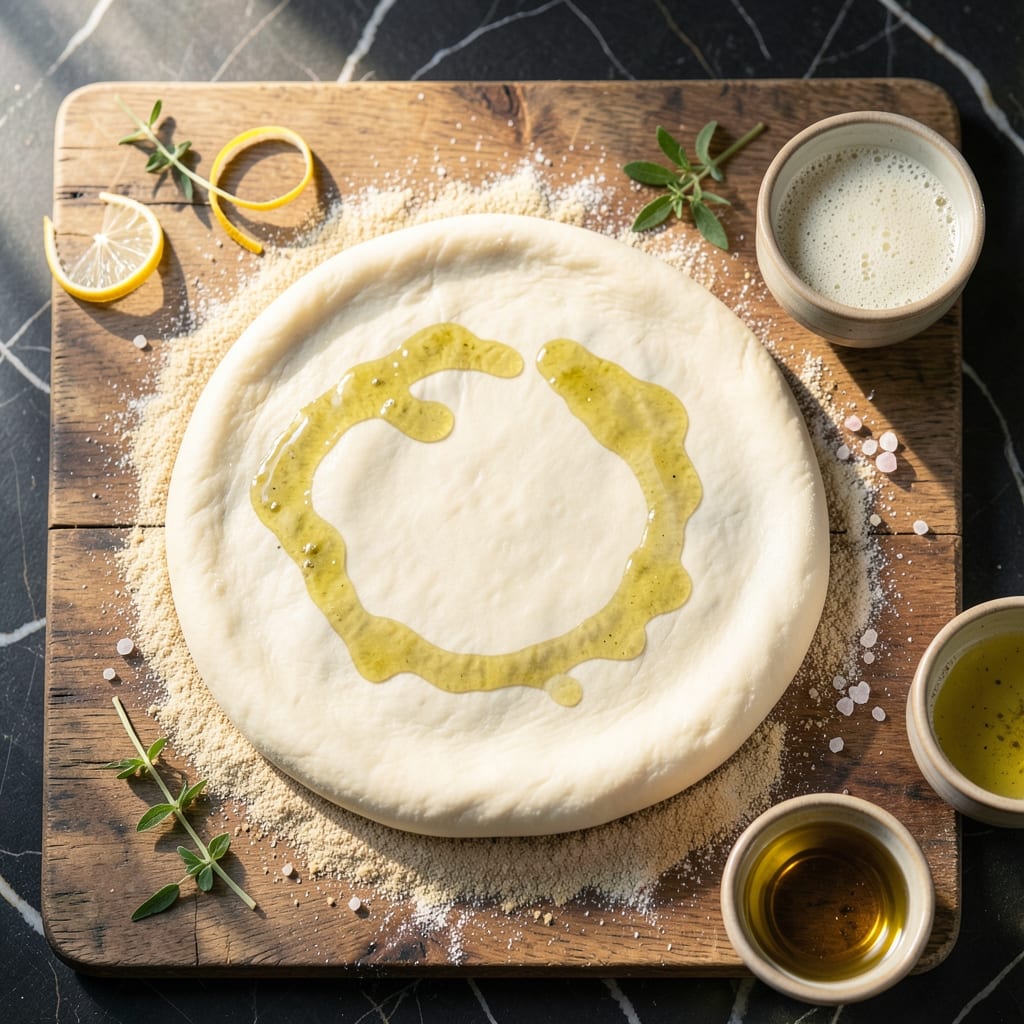
Achieving authentic Neapolitan pizza at home starts with the right foundation—this dough recipe delivers that signature chewy, airy crust with a crisp bottom. The secret lies in using Italian 00 flour, which creates a lighter, more delicate texture than standard all-purpose.
With a simple hydration ratio and proper kneading technique, you’ll develop the perfect gluten structure for that classic stretchy dough. The process requires patience, as the dough needs time to rest and rise, allowing flavors to mature and the texture to become just right.
What emerges is a canvas ready for your favorite toppings, capable of producing that coveted leopard-spotted crust when baked in a hot oven. This method stays true to traditional techniques while being accessible for home cooks.
The result is a pizza experience that rivals your favorite pizzeria, with a crust that’s tender inside and perfectly charred outside.
Ingredients for Pizza Dough Recipe Using 00 Flour
Authentic Neapolitan crust starts with these eight simple, high-quality ingredients for perfect dough every time.
| Ingredient | Amount | Notes |
|---|---|---|
| Italian 00 Flour 🌾 | 3 ½ cups | Finely ground for authentic texture |
| Active Dry Yeast 🍞 | ¼ oz | One packet, proofed in warm water |
| Fine Sea Salt 🧂 | 2 tsp | Diamond Crystal preferred for consistency |
| Lukewarm Water 💧 | 1 ½ cups | 105-110°F for yeast activation |
| Extra-Virgin Olive Oil 🫒 | 2 tbsp | For dough elasticity and flavor |
| Semolina Flour 🌾 | ½ cup | For dusting work surface |
| Granulated Sugar 🍚 | 1 tsp | Feeds yeast for proper rise |
| All-Purpose Flour 🌾 | ½ cup | For dusting if 00 flour unavailable |
The 00 flour is non-negotiable here—Caputo brand is the gold standard for Neapolitan-style dough. Look for it at Italian specialty stores or order online from Amazon. It’s finer than all-purpose, giving that signature tender yet strong structure. I’ve seen it at Whole Foods too, but call ahead. The yeast should be fresh (check the expiration date), and Diamond Crystal salt dissolves beautifully without clumping.
No 00 flour? Bread flour at a 1:1 ratio works in a pinch, though the texture won’t be quite as delicate. Skip the sugar if you prefer a slower rise (just add 30-60 extra minutes to the proofing time). The olive oil can be swapped for another neutral oil, but extra-virgin adds depth you’ll miss. Semolina isn’t strictly necessary, but it prevents sticking when shaping.
Dough keeps in the fridge for up to 3 days (it’ll develop even more flavor), or freeze for 1 month. Bring to room temp before shaping. Leftovers? Wrap tightly—they’ll dry out fast. Best used fresh, but still serviceable after 24 hours at room temp.
Why You’ll Love This Recipe
- No Fuss Mixing: I just dump the 00 flour, yeast, salt, and water in a bowl—no fancy steps, and the olive oil makes it smooth every time.
- Authentic Bite: The 00 flour gives that thin, crispy crust with a chewy center I’ve only gotten from Italian pizzerias before.
- Freezer Friendly: I make a double batch and stash the extra dough in the freezer—ready for spontaneous pizza nights.
- Penny Pincher: A bag of 00 flour is cheap, and with just five ingredients, I’m spending less than takeout for way better results.
Step-by-Step Instructions for Pizza Dough Using 00 Flour
Here’s the method I’ve perfected for authentic Neapolitan-style dough with a crisp yet chewy crust.
Step 1: Activate the Yeast Mixture
In a small bowl, combine the 1.5 cups lukewarm water with the 1 tsp granulated sugar. The water should feel warm but not hot to the touch—105-110°F is ideal for yeast activation.
Sprinkle the 0.25 oz active dry yeast over the surface and let it sit undisturbed for 5-7 minutes. You’ll know it’s working when the mixture becomes foamy and bubbly—this visual cue confirms the yeast is alive and ready to proof your dough.
Step 2: Create the Dough Base
In a large mixing bowl, add the 3.5 cups Italian 00 Flour and 2 tsp fine sea salt. I always make a well in the center before adding the yeast mixture and 2 tbsp extra-virgin olive oil.
Using a wooden spoon, stir until the ingredients come together into a shaggy mass. The dough will look rough at this stage—that’s normal. The key is ensuring all the flour is hydrated before moving to the next step.
Step 3: Knead to Develop Gluten
Turn the dough out onto a surface dusted with 0.5 cup semolina flour or 0.5 cup all-purpose flour if the semolina is unavailable. Knead for 8-10 minutes by hand, pushing the dough away with the heel of your hand and folding it back over itself repeatedly.
The dough is ready when it becomes smooth, elastic, and slightly tacky but not sticky. If it sticks to your hands, dust with a bit more flour, but avoid adding too much—this can make the crust tough instead of tender.
Step 4: First Rise for Flavor Development
Lightly oil a clean bowl and place the dough inside, turning to coat all sides. Cover with a damp kitchen towel and let it rise in a warm, draft-free spot for 1-2 hours, or until doubled in volume.
Pro tip: I place my bowl near a slightly warm oven or on top of the refrigerator for consistent warmth. The dough should spring back slowly when pressed lightly with a finger—this indicates proper proofing.
Step 5: Shape and Second Rise
Punch down the dough to release air, then divide it into 4 equal portions for individual pizzas. Shape each into a ball and place on a floured surface, covering with a towel.
Let the dough balls rest for another 30-45 minutes. This second rise relaxes the gluten, making it easier to stretch into thin crusts with that characteristic Neapolitan airy edge. Your dough is now ready for topping and baking.
Pro Tips For Making Pizza Dough Recipe Using 00 Flour
- Proof in Warmth: Let the dough rise in a turned-off oven with the light on—consistent 80-85°F is what 00 flour loves. I learned this the hard way after too many cold-kitchen fails.
- Weigh the Flour: Skip the measuring cups and use a scale for the 00 flour—200g per cup is a lie, and your crust will thank you for the precision.
- Salt the Yeast: Keep the fine sea salt and active dry yeast separate when mixing—direct contact can kill the yeast before it even starts.
- Oil the Bowl: Coat the rising bowl with about 1 teaspoon of that extra-virgin olive oil before the first proof—makes a real difference when it’s time to punch down the dough.
Wine and Beer Pairings for This Dish
Italian Wine Classics
For authentic Neapolitan pizza with 00 flour, Lacrima Christi del Vesuvio white wine from Campania offers crisp acidity that cuts through the richness. Its citrus notes complement the dough’s delicate flavor beautifully. 🍷
Bold Red Options
A light-bodied Chianti Classico with its bright cherry notes pairs wonderfully without overpowering. Serve slightly chilled for best results. I always keep a bottle of Ruffino on hand.
Craft Beer Matches
An Italian Peroni or Moretti lager provides the perfect crisp, clean finish. The subtle bitterness balances the dough’s sweetness. For craft lovers, try a Belgian witbier with its citrus and spice notes. 🍺
Regional Sparkling
Prosecco from Veneto offers a refreshing contrast with its fine bubbles and light fruitiness. The effervescence cleanses your palate between slices. I prefer La Marca for its consistent quality.
Non-Alcoholic Pairing
For alcohol-free options, San Pellegrino Aranciata provides citrusy brightness that enhances the dough’s subtle flavors. The carbonation adds a refreshing lift. Serve over ice for best results. ✨
Nutrition Facts
Frequently Asked Questions
Can I substitute all-purpose flour for 00 flour?
Yes, but expect a denser texture. Bread flour is a better substitute, though the crust won’t be as delicate.
How long should I let the dough rise?
Allow 1-2 hours for the first rise, then 30-45 minutes after dividing. Warmer temps speed this up.
Why is my dough too sticky?
Add flour gradually while kneading. Over-flouring makes crust tough, so use just enough to handle.
Can I make this dough ahead of time?
Refrigerate for up to 3 days for deeper flavor. Bring to room temp before shaping.

- Potato Candy Recipe 1933: Vintage Peanut Butter Roll Delight - October 30, 2026
- Potato Chip Cookie Recipe With Pecans: Buttery Crunch Meets Nutty Richness - October 30, 2026
- Potato Patty Recipe No Egg: Crispy Edges Without the Binder - October 30, 2026