
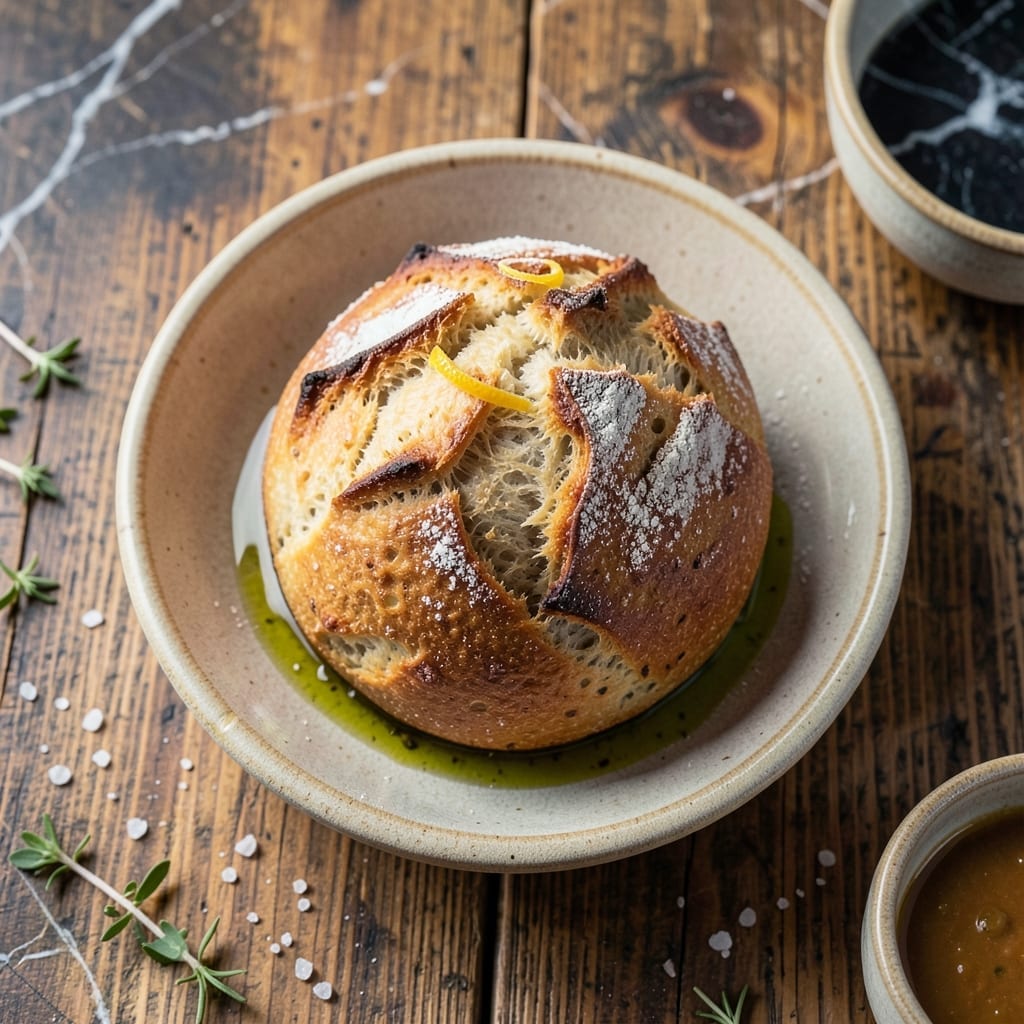
I’ve perfected a bread recipe that proves sugar isn’t necessary for a light, airy loaf with natural sweetness. This method relies on a slow fermentation process to develop flavor and texture without any added sweeteners.
The dough comes together with basic pantry staples—flour, water, yeast, and salt—yet achieves a tender crumb and golden crust. The key is patience, allowing the yeast to work its magic over 2-3 hours of rising time.
What emerges from the oven is a loaf with a delicate, slightly sweet flavor from the fermentation itself. The crust bakes to a golden brown, while the interior stays soft and pillowy.
This technique delivers consistent results every time, making it ideal for sandwiches or toast. The process is straightforward yet rewarding.
Ingredients for Bread Recipe Without Sugar
Proof that patience and pantry staples create naturally sweet, airy bread without added sugar.
| Ingredient | Amount | Notes |
|---|---|---|
| Bread Flour 🌾 | 4 cups | High-protein for structure |
| Active Dry Yeast 🍞 | 2 ¼ tsp | One packet, freshly checked |
| Warm Water 💧 | 1 ½ cups | 110°F to 115°F ideal |
| Kosher Salt 🧂 | 2 tsp | Diamond Crystal preferred |
| Olive Oil 🫒 | 2 tbsp | For bowl and dough |
| Vital Wheat Gluten 🌾 | 1 tbsp | Optional for extra lift |
| Honey 🍯 | 0 tbsp | Excluded per recipe design |
| Cornmeal 🌽 | 2 tbsp | For dusting pan |
| All-Purpose Flour 🌾 | ½ cup | For dusting surface |
The flour quality is paramount here. King Arthur Bread Flour delivers consistent protein content (12-14%) essential for proper gluten development. Yeast must be fresh—test in warm water with a pinch of sugar (even though none goes in the dough) to confirm it bubbles within 5 minutes. Whole Foods or local bakeries often sell yeast in bulk, ensuring maximum freshness.
No bread flour? All-purpose plus vital wheat gluten (1 tbsp per cup) works in a pinch. Warm water temperature is critical—too hot kills yeast, too cold slows activation. Kosher salt brands vary in density; Diamond Crystal is lighter than Morton by volume, so adjust accordingly. The olive oil prevents sticking and adds subtle richness.
Dough rises best in a warm, draft-free spot (75-80°F). Store yeast in the freezer for 6-12 months of viability. Baked loaves keep 3-4 days at room temperature in a paper bag, or freeze slices for 3 months.
Why You’ll Love This Recipe
- Five Ingredient Magic: I love that this comes together with just flour, yeast, water, salt, and olive oil—no extra pantry hunting required.
- Crust Worth Waiting For: The olive oil gives it this golden, slightly crisp exterior with a soft, airy inside that’s just right with soup or butter.
- Breakfast to Dinner: Honestly, I make a loaf Sunday night and it’s toast for breakfast, sandwiches at lunch, and garlic bread by dinner.
- Pennywise Perfection: A two-dollar bag of flour and a few cents of yeast yields a fresh loaf that puts store-bought to shame.
Step-by-Step Instructions for Bread Without Sugar
Master the technique for achieving a light, airy loaf with natural flavor development.
Step 1: Activate the Yeast and Begin the Dough
In a large mixing bowl, combine the 2.25 tsp active dry yeast with the 1.5 cups warm water at 110-115°F. Let stand for 5 minutes until the mixture becomes foamy—this confirms the yeast is alive and active.
Add the 4 cups bread flour, 2 tsp kosher salt, and 1 tbsp vital wheat gluten to the bowl. The vital wheat gluten strengthens the dough structure, compensating for the absence of sugar which would normally contribute to browning and texture.
Step 2: Incorporate the Olive Oil and Knead
Drizzle in the 2 tbsp olive oil and mix until a shaggy dough forms. Turn the dough out onto a surface dusted with the 0.5 cup all-purpose flour and knead for 8-10 minutes by hand, or 6-8 minutes in a stand mixer with a dough hook attachment.
The dough should become smooth and elastic, springing back when gently pressed. If it feels too sticky, add a small amount of the reserved all-purpose flour, but avoid over-flouring, as this can make the bread dense.
Step 3: First Rise Until Doubled in Size
Lightly grease a clean bowl with a small amount of the olive oil, place the dough inside, and cover with a damp kitchen towel. Let it rise in a warm, draft-free spot for 1 to 1.5 hours, or until the dough has doubled in volume.
To test if it’s ready, press your finger gently into the dough—if the indentation remains, it has risen sufficiently. This slow fermentation allows natural enzymes to break down starches, creating subtle sweetness without added sugar.
Step 4: Shape and Final Proof
Punch down the dough to release excess air, then shape it into a round or oval loaf. Dust a baking sheet or banneton with the 2 tbsp cornmeal to prevent sticking and add a rustic texture to the crust.
Place the shaped dough on the prepared surface, cover loosely, and let it proof for 30-45 minutes. The loaf should rise noticeably but not quite double in size during this second rise. Preheat your oven to 425°F during the last 15 minutes of proofing.
Step 5: Bake to Golden Perfection
Just before baking, make a few shallow slashes on the top of the loaf with a sharp knife or razor. This allows the bread to expand properly in the oven. Bake on the middle rack for 25-30 minutes, or until the crust is deep golden brown and the internal temperature reaches 190-200°F.
Transfer the bread to a wire rack and let it cool for at least 1 hour before slicing. This resting period ensures the crumb sets properly, giving you a tender interior with that coveted fluffy texture. The natural caramelization of the crust will provide all the sweetness you need.
Pro Tips For Making Bread Recipe Without Sugar
- Test Your Yeast: I learned this the hard way—always proof your active dry yeast in warm water with a pinch of flour first. If it doesn’t bubble within 5 minutes, your bread won’t rise.
- Use High-Protein Flour: Bread flour with at least 12% protein makes a real difference here. Lower protein flours can leave your loaf dense and flat.
- Skip Cold Water: Warm water between 105°F and 110°F wakes up the yeast properly. Too hot kills it, too cold slows fermentation.
- Add Oil Last: Mix your flour, water, and yeast first, then fold in olive oil after the dough starts forming. It incorporates better and prevents greasy spots.
Perfect Pairings for This bread recipe without sugar
Beverage Pairings
This bread’s subtle sweetness pairs beautifully with a light-bodied olive oil for dipping. I love using California Olive Ranch for its fruity notes. A warm cup of herbal tea like chamomile or peppermint complements the crust’s earthy flavors. 🍃
Savory Spreads
For breakfast, try it with 2 tbsp whipped cream cheese and a sprinkle of everything bagel seasoning. The tangy cream cheese contrasts nicely with the bread’s natural sweetness. I prefer Philadelphia brand for its smooth texture.
Soup Companions
This loaf makes excellent soup croutons. Toast slices and float them in tomato basil soup or minestrone. The bread absorbs flavors without overpowering the dish. I always save the heel for this purpose.
Cheese Pairings
Serve with a cheese board featuring aged cheddar and brie. The sharpness of cheddar cuts through the bread’s mild flavor, while brie’s creaminess creates a perfect bite. Add 1 tbsp honeycomb for those who want optional sweetness. 🧀
Simple Sandwiches
Make a classic Caprese sandwich with fresh mozzarella, tomato, and basil. The bread’s sturdy texture holds up to the juicy filling. Drizzle with 1 tsp balsamic glaze for extra depth.
Dessert Option
For a sweet treat, toast slices and top with 1 tbsp almond butter and sliced banana. The natural sugars in the fruit complement the bread’s subtle sweetness. I use Justin’s Classic Almond Butter for this.
Nutrition Facts
Frequently Asked Questions
Why does this bread taste sweet without sugar?
Slow fermentation breaks down starches into natural sugars. The 1-1.5 hour rise time allows enzymes to create subtle sweetness naturally.
Can I add honey or maple syrup later?
Drizzle 1 tbsp honey on warm slices or use as a sandwich spread. The base recipe remains sugar-free while allowing customization.
What if my dough doesn’t rise?
Check your yeast freshness first. Ensure water is 110-115°F and the rising spot is warm (75-80°F). Old yeast or cold temperatures are common culprits.
How long does this bread stay fresh?
Store in a paper bag at room temperature for 3-4 days. For longer storage, freeze slices for up to 3 months.

- Pina Colada Dip Recipe Red Lobster: Tropical Creaminess With Toasted Coconut - October 12, 2026
- Pickled Sweet Cherry Peppers Recipe Canning: Tangy Heat for Pantry Staples - October 12, 2026
- Peppercorn Sauce Recipe Vegan: Rich Umami Depth Without Cream - October 12, 2026