
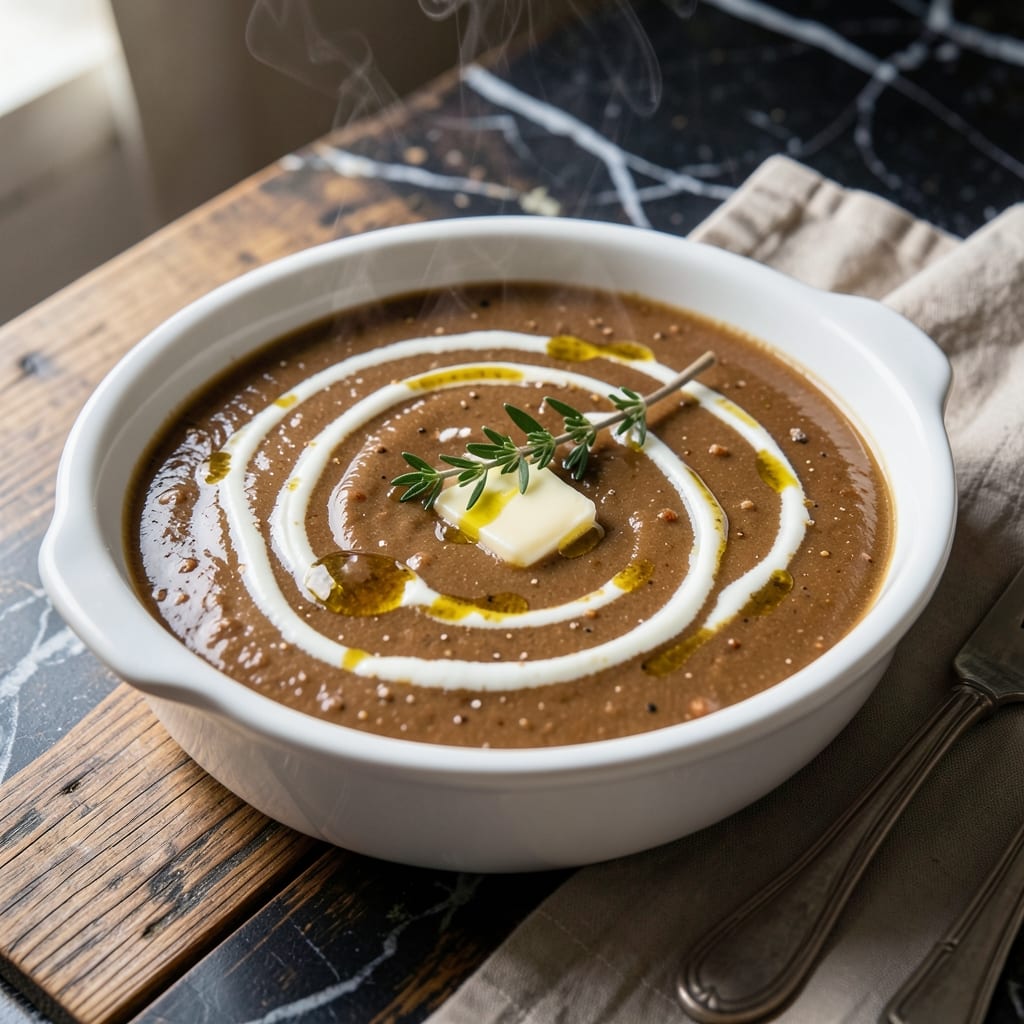
This chicken gravy transforms any meal with its rich, velvety texture and deep savory flavor. Using chicken broth as the base creates a robust foundation that enhances the natural taste of the dish.
The key lies in a simple thickening process that ensures a silky smooth consistency. A few basic ingredients and precise timing are all it takes to achieve restaurant-quality results at home.
Perfect for drizzling over mashed potatoes, this sauce adds a comforting touch to any comfort food spread. The process is straightforward, yet the outcome is always impressive.
With minimal effort, you’ll have a versatile gravy that elevates everything from roasted chicken to biscuits. Let’s create a sauce that’s as satisfying as it is simple.
Ingredients for Chicken Gravy Recipe with Chicken Broth
These nine ingredients create a restaurant-quality sauce with minimal effort and maximum flavor.
| Ingredient | Amount | Notes |
|---|---|---|
| Chicken Broth 🍲 | 2 cups | Low-sodium preferred for control |
| Unsalted Butter 🧈 | ¼ cup | European-style for richer flavor |
| All-Purpose Flour 🌾 | ¼ cup | For thickening the gravy |
| Heavy Cream 🥛 | ¼ cup | Full-fat for creaminess |
| Chicken Fat 🍗 | 2 tbsp | Reserved from roasting pan |
| Kosher Salt 🧂 | ½ tsp | Diamond Crystal recommended |
| Freshly Ground Black Pepper 🌶️ | ½ tsp | Coarse grind preferred |
| Garlic Powder 🧄 | ½ tsp | Not garlic salt |
| Onion Powder 🧅 | ½ tsp | Enhances depth of flavor |
| Dried Thyme 🌿 | ¼ tsp | Crushed between fingers |
The broth is the foundation here. Low-sodium chicken broth allows you to control the seasoning precisely. Swanson or Better Than Bouillon are reliable brands for consistent flavor. For the fat, reserved chicken drippings add authentic depth—don’t substitute vegetable oil here. European-style butter (like Plugrá or Kerrygold) has higher fat content, which emulsifies beautifully into the gravy.
No chicken fat? Additional butter works in a pinch—just reduce the amount slightly to avoid greasiness. For a gluten-free version, cornstarch slurry at half the quantity replaces the flour. Fresh thyme can be used at three times the amount of dried. The cream is optional but recommended—whole milk at double the volume gives a lighter but still rich result.
Gravy separates as it cools—whisk in a splash of warm broth to restore its silky texture. Store in an airtight container for up to 5 days in the fridge, or freeze for 3 months. Reheat gently to prevent curdling.
Why You’ll Love This Recipe
- One Pot Magic: I just melt butter, whisk in flour, then slowly add the chicken broth—no fancy steps, no stress.
- Rich & Velvety: The heavy cream and chicken fat blend into the broth for a gravy so smooth, I could drink it with a straw.
- Dinner Saver: I drizzle this over mashed potatoes, biscuits, even roasted veggies—whatever’s on the table gets better.
- Pennywise Perfection: Between us, using chicken broth instead of stock keeps it flavorful without breaking the bank.
Step-by-Step Instructions for Chicken Gravy
Master this fundamental technique to create a velvety sauce that elevates any meal.
Step 1: Render and Combine Fats
Begin by heating the 2 tbsp Chicken Fat in a medium saucepan over medium heat. As it warms, add the 0.25 cup Unsalted Butter and allow both to melt completely, stirring occasionally to combine. The mixture should foam slightly but not brown.
This fat base provides the rich foundation for your gravy. The chicken fat adds depth of flavor while the butter contributes to the silky texture. Watch for the foam to subside—this indicates the water has evaporated and the fats are ready for the next step.
Step 2: Create the Roux
Gradually whisk in the 0.25 cup All-Purpose Flour to form a smooth paste. Continue cooking and whisking constantly for 2-3 minutes until the mixture turns a light golden color. This is your roux, which will thicken the gravy.
The roux should bubble gently but not darken. If it browns too quickly, reduce the heat slightly. The goal is to cook out the raw flour taste without burning the mixture. You’ll notice the aroma change from buttery to slightly nutty when it’s ready.
Step 3: Deglaze and Season
Slowly pour in the 2 cups Chicken Broth while whisking continuously to prevent lumps. Add the 0.5 tsp Kosher Salt, 0.5 tsp Freshly Ground Black Pepper, 0.5 tsp Garlic Powder, 0.5 tsp Onion Powder, and 0.25 tsp Dried Thyme.
Increase heat to medium-high and bring the mixture to a gentle boil. The gravy will begin to thicken as the roux absorbs the liquid. Continue whisking until the mixture coats the back of a spoon, about 3-4 minutes.
Step 4: Finish with Cream
Reduce heat to low and stir in the 0.25 cup Heavy Cream. Simmer for an additional 2-3 minutes, stirring occasionally, until the gravy reaches your desired consistency. The cream adds richness and a velvety texture.
Taste and adjust seasoning if needed, though the initial measurements should provide perfect balance. The gravy should be smooth and glossy, with enough body to cling to mashed potatoes or other accompaniments.
Step 5: Strain and Serve
For the silkiest texture, strain the gravy through a fine-mesh sieve into a serving vessel. This removes any potential lumps or bits of herb, ensuring a perfectly smooth sauce.
Serve immediately while hot. The gravy will thicken slightly as it cools, so if it becomes too thick, whisk in a small amount of warm water or additional chicken broth to reach your preferred consistency.
Pro Tips For Making Chicken Gravy Recipe With Chicken Broth
- Brown the Flour: Cook your flour-butter roux for at least 2-3 minutes over medium heat to remove the raw taste—this step is what separates good gravy from great.
- Use Chicken Fat: Swap some butter for rendered chicken fat when making the roux. It adds a depth of flavor that butter alone can’t deliver.
- Warm the Broth: Pour in hot chicken broth, not cold, to prevent the roux from seizing up and creating lumps. I learned this the hard way after too many clumpy gravy disasters.
- Finish with Cream: Stir in heavy cream at the very end, off the heat, so it doesn’t curdle. This makes the gravy richer without splitting.
Regional Styles of This chicken gravy recipe with chicken broth
Southern Comfort Style
In the South, we add 1 tbsp apple cider vinegar and 1 tsp hot sauce to the finished gravy for a tangy kick. This cuts through the richness beautifully while adding that signature Southern warmth. I always use Texas Pete for authentic flavor.
French Velvet Variation
French cooks often deglaze their roasting pans with ½ cup dry white wine before adding broth. Reduce the wine by half, then proceed with the recipe. The acidity brightens the gravy, making it more complex and sophisticated.
Midwest Hearty Approach
For a thicker, stick-to-your-ribs version, Midwestern cooks sometimes add 2 tbsp cornstarch mixed with cold water at the end. This creates a glossier, more opaque gravy that clings to potatoes. I learned this trick from my grandma in Iowa. 💛
Cajun Spiced Kick
Add 1 tsp smoked paprika and ½ tsp cayenne when whisking in the broth. The smoked paprika deepens the flavor while cayenne adds subtle heat. This version pairs perfectly with fried chicken or dirty rice.
I use Tony Chachere’s seasoning blend as a shortcut for that authentic Louisiana taste.
Pennsylvania Dutch Style
The Amish often use potato starch instead of flour for thickening, which makes the gravy naturally gluten-free. They also tend to use more pepper—sometimes up to 1 tsp—for a bolder finish.
This version has a slightly different mouthfeel but is equally delicious. 🌟
Nutrition Facts
Frequently Asked Questions
Can I use low-sodium broth?
Low-sodium broth is actually recommended. It allows you to control the saltiness precisely with your own seasoning. This prevents the gravy from becoming too salty as it reduces.
What if my gravy is too thin?
Mix 1 tbsp cornstarch with 1 tbsp cold water to create a slurry. Whisk it into the gravy and simmer for 2-3 minutes until thickened. Avoid adding dry cornstarch directly as it can clump.
How do I fix lumps?
Strain the gravy through a fine-mesh sieve to remove any lumps. Alternatively, whisk vigorously to break them up, or use an immersion blender for a perfectly smooth texture.
Can I make this ahead?
Yes! Store in an airtight container in the fridge for up to 5 days. Reheat gently on the stove, whisking in a splash of broth if it thickens too much.

- BBQ Sausage Recipe Oven: Smoky Depth Without the Grill - September 28, 2026
- BBQ Chicken Bowl Recipe Rice: Smoky Sweetness Over Fluffy Grains - September 28, 2026
- Beef Cutlet Recipe Ideas: Crispy Breaded Patties With Bold Seasonings - September 28, 2026