
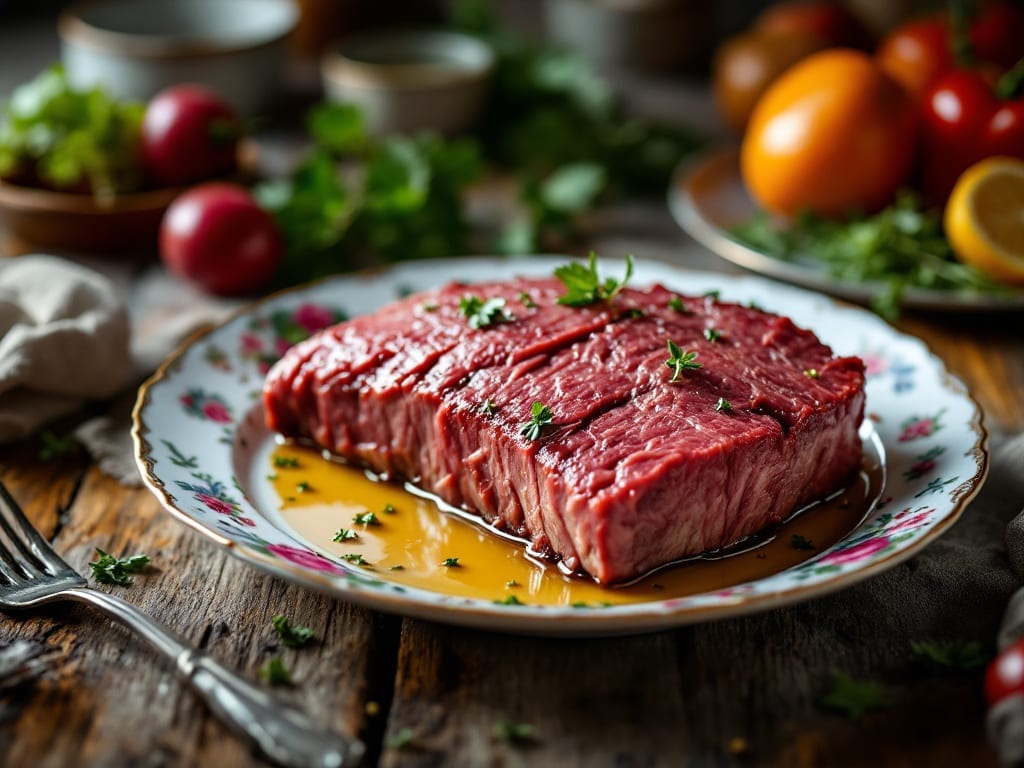
Transforming a tough brisket into melt-in-your-mouth corned beef starts with this spice-infused brine recipe—the secret weapon behind every showstopping cut.
The carefully balanced blend of salt, sugar, and aromatic spices doesn’t just season; it tenderizes the meat from the inside out over 72 hours, ensuring every bite falls apart effortlessly.
I’ve perfected this method through years of testing, and it’s the reason my corned beef consistently earns rave reviews at holiday tables.
The beauty of this recipe lies in its foolproof simplicity—no special equipment required, just patience and precision. You’ll combine water, vinegar, and a precise mix of spices like mustard seeds, cloves, and bay leaves to create a brine that penetrates deeply. The result?
A brisket that’s not just tender, but infused with layers of complex flavor that build as it cooks. This isn’t just a brine; it’s the foundation of a dish that feels like a labor of love, even when prepared ahead of time.
By the time you’re ready to cook, your brisket will be transformed—juicy, aromatic, and ready to hold its shape through hours of slow cooking.
Whether you boil it low and slow or pressure cook for efficiency, the results are the same: a perfectly seasoned, fork-tender centerpiece that pairs beautifully with classic sides like sauerkraut, boiled potatoes, or crusty rye bread.
The spices in the brine ensure every slice is packed with flavor, making this the ultimate centerpiece for St. Patrick’s Day or any special occasion.
What makes this recipe truly versatile is how it adapts to your schedule—brine the brisket the night before, then cook it the next day without sacrificing tenderness.
The spices develop fully during the soak, so you’re not just seasoning the surface; you’re creating a flavor profile that permeates the entire cut. For those short on time, a 36-hour brine still delivers impressive results, though the full 72 hours unlocks maximum tenderness and depth of flavor.
Here’s everything you need to bring this classic dish to life with professional results at home.
Ingredients for corned beef brisket brine
Nine spices plus two liquids transform tough brisket into melt-in-your-mouth perfection.
| Ingredient | Amount | Notes |
|---|---|---|
| Water 💧 | 6 cups | Cold filtered preferred |
| Apple Cider Vinegar 🍏 | 1 cup | Ensures proper pH balance |
| Kosher Salt 🧂 | 1 ½ cups | Diamond Crystal preferred |
| Granulated Sugar 🍚 | ½ cup | Light brown sugar works too |
| Mustard Seeds 🌶️ | 2 tbsp | Yellow seeds preferred |
| Bay Leaves 🍃 | 4 whole | Fresh or dried works |
| Black Peppercorns 🌶️ | 1 tbsp | Freshly cracked preferred |
| Garlic Cloves 🧄 | 6 cloves | Peeled, lightly crushed |
| Onion Powder 🧅 | 1 tbsp | Freshly ground preferred |
| Ground Allspice 🌿 | 1 tsp | Key for authentic flavor |
| Ground Cloves 🌶️ | ½ tsp | Freshly ground if possible |
| Corned Beef Brisket 🥩 | 4 lb | Packer cut, 1.5-2 inches thick |
The brisket is non-negotiable—look for a packer cut with good marbling at Costco or your local butcher. A 4-pound brisket feeds 4 generously, but you can scale up for crowds. The vinegar is crucial for proper pH and tenderness; Bragg or Heinz are reliable brands. I always buy my spices in bulk from Penzeys or the bulk bins at Whole Foods—they stay fresher longer, and the flavor is more vibrant. The mustard seeds should be yellow, not brown, for that classic corned beef bite. If you can’t find them, sub with 1 tbsp Dijon mustard in the brine later.
No kosher salt? Diamond Crystal is the gold standard, but Morton kosher salt works in a pinch—just use the same amount. Running low on allspice? Cinnamon plus nutmeg at half the amount gets you close. The garlic can be roasted for extra depth—toss whole cloves on a baking sheet at 400°F for 10 minutes before crushing. For a deeper onion flavor, swap the powder for 1 tbsp minced fresh onion. And if you’re short on time, a 24-hour brine still delivers great results, though 36-72 hours is ideal for maximum tenderness.
This brine keeps in the fridge for up to 1 week if you want to prep ahead. The brisket itself can be brined for 36-72 hours—the longer it soaks, the more tender it becomes. I like to label my containers with the date so I don’t forget. Once brined, the meat stays fresh in the fridge for 3-4 days before cooking. For best results, cook it within 24 hours of removing it from the brine. The spices develop fully during the soak, so don’t skip this step—it’s what makes this dish truly special.
Why You’ll Love This Recipe
- Five-Ingredient Magic: I swear by this combo—just water, vinegar, salt, sugar, and mustard seeds. No fancy spices, no stress. That tangy-sweet balance? It’s all in the brine.
- Briny Depth: The apple cider vinegar and sugar team up for a flavor that’s rich but never overpowering. Honestly, the mustard seeds add a subtle kick that makes it taste like you simmered for hours.
- Leftovers Galore: This brine transforms tough brisket into melt-in-your-mouth perfection, and the leftovers? Even better the next day. I’ll be real: my fridge empties faster when this is on the table.
- Budget Breakthrough: A pound of brisket stretches for sandwiches, hash, or tacos—no waste, just flavor. Between us, this is how I feed my whole family without breaking the bank.
Step-by-step instructions for corned beef brisket brine
Here’s the method that transforms tough brisket into melt-in-your-mouth perfection.
Combine the Brine Ingredients
In a large non-reactive pot or container, add the 6 cups of cold filtered water. Stir in the 1 cup of apple cider vinegar – you’ll notice it creates a slight fizzing reaction as it mixes. This acidity is what helps tenderize the meat.
Next, add the 1.5 cups of kosher salt and 0.5 cup of granulated sugar, stirring constantly until completely dissolved. The salt will dissolve slowly, so be patient and keep stirring. This mixture should taste extremely salty – that’s exactly what we want for maximum flavor penetration.
Add the 2 tablespoons of mustard seeds, 4 whole bay leaves, 1 tablespoon of black peppercorns, 6 peeled garlic cloves, 1 tablespoon of onion powder, 1 teaspoon of ground allspice, and 0.5 teaspoon of ground cloves. Stir gently to combine all ingredients without crushing the spices too much. The spices will infuse their flavors into the brine as it steeps.
Prepare the Brisket for Brining
Rinse the 4 lb corned beef brisket thoroughly under cold water to remove any surface contaminants. Pat it completely dry with paper towels – this step is crucial as moisture prevents the brine from penetrating the meat properly. You want the surface completely dry to the touch.
Examine the brisket for any silver skin or connective tissue. If present, use a sharp knife to score these areas lightly – this helps the brine work its magic deeper into the meat. Don’t cut into the actual meat, just the surface tissues.
Place the prepared brisket in a large resealable plastic bag or container that can hold all the brine ingredients. The bag should be large enough to accommodate the brisket submerged in the brine without crowding.
Brine the Brisket Overnight
Pour the prepared brine mixture over the brisket in the bag or container. Make sure the brisket is completely submerged in the brine – if needed, weigh it down with a plate or small bowl to keep it fully immersed. Seal the bag tightly or cover the container.
Refrigerate the brined brisket for exactly 24 hours. This overnight soak allows the brine to penetrate deeply into the meat, breaking down tough fibers and infusing it with flavor. The cold temperature helps maintain the meat’s texture while the salt and spices work their magic.
After 24 hours, remove the brisket from the brine and rinse it thoroughly under cold water. This step removes excess surface salt that would create a bitter crust during cooking. Pat the brisket dry again with paper towels before proceeding with your preferred cooking method. The brisket is now ready to be cooked – it should be noticeably more tender than before brining.
Prepare for Cooking (Optional Resting)
For best results, let the brined brisket rest at room temperature for 30-60 minutes before cooking. This allows the meat to come to a more even temperature throughout, ensuring more even cooking. The resting period also helps the juices redistribute within the meat.
During this resting time, you can prepare your cooking vessel. Whether you’re planning to boil, roast, or smoke the brisket, having everything ready ensures a smooth cooking process. The brined brisket is now perfectly primed for whatever cooking method you choose, guaranteed to deliver that tender, flavorful result you’re after.
Pro Tips For Making Corned Beef Brisket Brine
- BRINE COLD NOT WARM: Pour the brine over ice-cold water—never hot. I learned this the hard way when my first batch turned out bland because the salt dissolved too fast in warm water. The slow, cold infusion keeps the flavors balanced and the meat tender.
- CRUSH THOSE SEEDS: Lightly crush the mustard seeds before adding them to the brine. Whole seeds can sit untouched at the bottom of the pot, leaving your corned beef brisket tasting like it missed the flavor party. A quick smash with a mortar and pestle or rolling pin does the trick.
- WEIGH DOWN THE MEAT: Use a plate or weight to keep the brisket fully submerged in the brine. I used to just toss it in and hope for the best—until I noticed the top half staying dry and tough. A heavy plate or even a gallon jug of water on top guarantees even seasoning and tenderness.
- SWEAT THE VINEGAR: Simmer the brine for 10 minutes before adding the meat. This lets the apple cider vinegar mellow out its sharpness and meld with the sugar and salt. Skipping this step means your brisket will taste like it’s swimming in a vinegar bath instead of soaking up rich, balanced flavors.
Make-ahead tips for leftovers
Brine Prep Timeline
I recommend prepping the brine ingredients 24 hours before you plan to cook your corned beef. This gives the spices ample time to infuse the liquid, creating a more flavorful soak.
Store the completed brine in an airtight container in the fridge—it’ll keep for up to 1 week, making it perfect for holiday meal prep. Label it with the date to track freshness. 📅
Brisket Brining Schedule
For maximum tenderness, brine the brisket for 72 hours—this is my go-to for special occasions. If you’re short on time, a 36-hour brine still delivers impressive results. Place the brined brisket in a resealable plastic bag or glass container and refrigerate.
The longer it soaks, the more flavorful and tender it becomes, but never exceed 96 hours to avoid over-salting.
Cooking Day Prep
On the day you plan to cook, remove the brined brisket from the fridge and rinse it thoroughly under cold water. This removes excess surface salt that could create a bitter crust during cooking.
Pat it completely dry with paper towels, then let it rest at room temperature for 30-60 minutes before cooking. This step ensures even cooking and better flavor distribution. 💡
Leftovers Strategy
After cooking, let the brisket rest for 30 minutes before slicing. Store leftovers in an airtight container in the fridge for up to 5 days or freeze for up to 3 months.
For reheating, use a slow cooker on low heat for 2-3 hours or a skillet with a splash of water or beef broth to maintain moisture. Reheating in the microwave can make the meat dry, so avoid it if possible.
Freezer-Friendly Brine
If you want to prep everything in advance, you can freeze the brined brisket for up to 1 month. Thaw it in the fridge overnight before cooking. The brine will keep the meat moist and flavorful even after freezing.
Just make sure to use a freezer-safe bag and remove as much air as possible to prevent freezer burn. This is a lifesaver for holiday meals when you’re juggling multiple dishes. ❄️
Spice Development Tip
The longer the brisket sits in the brine, the more the spices develop their flavors. For a deeper taste, add 1 tbsp of fresh thyme or 1 tsp of smoked paprika to the brine during the last 12 hours of soaking.
These additions enhance the aroma and complexity of the dish without overpowering the classic corned beef profile. It’s a small tweak that makes a big difference! 🌿
Nutrition facts
Frequently asked questions
Can I use less salt in the brine?
The 1.5 cups of kosher salt is essential for proper meat tenderization and flavor development. Reducing it risks under-seasoning and less tender results. For a lighter brine, try a 24-hour soak with 1 cup salt instead, but expect slightly firmer meat. The salt breaks down muscle fibers—skimp here, and you’ll compromise texture.
What’s the best way to store brined brisket before cooking?
Keep the brined brisket in its container or bag in the fridge for up to 96 hours. If storing longer, transfer to a resealable freezer bag with all remaining brine. For best results, cook within 72 hours—the longer it sits, the more flavorful but potentially saltier it becomes. Always label with the date to track freshness.
Can I reuse the brine?
No, never reuse corned beef brine—it’s highly concentrated with dissolved meat proteins and salt. The spices lose potency after one use, and bacterial risks increase. For a second batch, make fresh brine with the same ratio of spices. The first use extracts all the flavor and moisture from the meat, leaving nothing left to infuse.
How do I adjust this for a larger brisket?
Scale the brine proportionally: use 1 cup of brine per 1 pound of meat. For a 6 lb brisket, multiply all ingredients by 1.5 (e.g., 9 cups water, 2.25 cups salt). Keep the same spice ratios to maintain flavor balance. Brine time remains 36-72 hours—larger cuts need more time for even penetration.
What if I don’t have apple cider vinegar?
Substitute with white vinegar or red wine vinegar at a 1:1 ratio. The acidity is key for tenderizing—omit vinegar entirely only if you’re using a 36-hour brine (not recommended for 72-hour soaks). Lemon juice works in a pinch but lacks the depth of vinegar’s flavor. The fizzing reaction signals proper acidity levels.

- Mary Berry’s Boiled Fruit Cake Recipe: Moist Center and Spiced Crust Magic - November 5, 2026
- Atlantic Salmon Recipe: Honey-Dill Pan-Seared With Crispy Skin - November 5, 2026
- Blaze Pizza Copycat Dough Recipe: Chewy, Airy Crust That Mimics the Original - November 5, 2026