
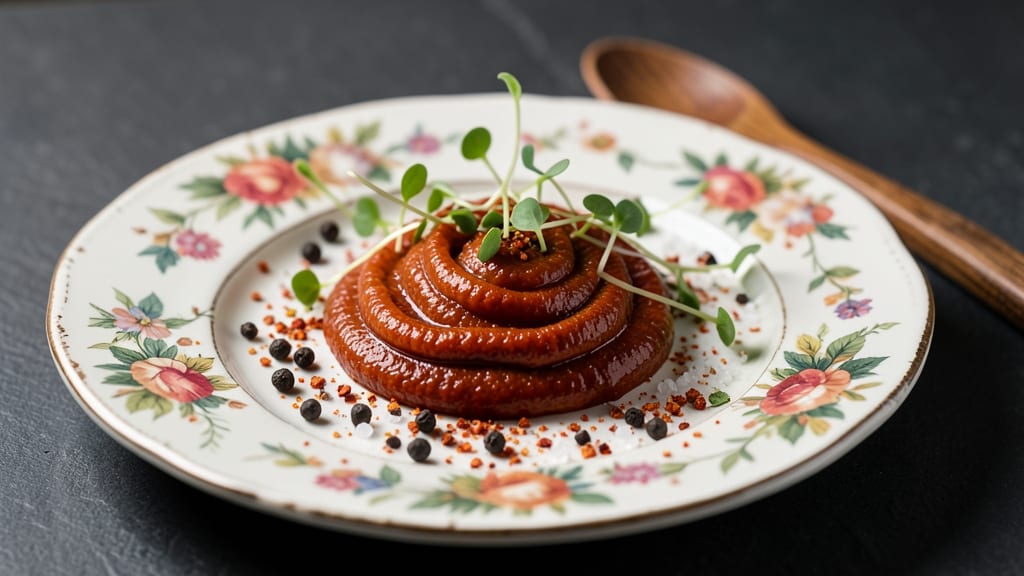
Fermented cayenne hot sauce transforms simple ingredients into a vibrant, complex condiment that builds flavor over time—no cooking required. This no-cook fermentation method preserves cayenne’s bright heat while developing depth through natural microbial activity, creating a sauce that’s far more nuanced than store-bought versions.
The process relies on precise salt levels and proper fermentation vessels to ensure safety while maximizing flavor development.
What makes this recipe special is its simplicity combined with professional results. You’ll need just five core ingredients—cayenne peppers, salt, water, and a starter culture (or whey from previous ferments)—to create a sauce that’s safe, flavorful, and ready to elevate everything from tacos to grilled meats.
The fermentation period (typically 7–14 days) allows the cayenne’s capsaicin to mellow slightly while developing a tangy, umami-rich profile that’s impossible to achieve through heat alone.
The end result is a bright, fiery hot sauce with a smooth texture and layers of flavor that deepen with each use. Unlike traditional hot sauces that rely on vinegar or alcohol for preservation, this fermented version delivers a living, evolving condiment—one that gets better as it ages.
The salt content ensures safety while maintaining the right pH balance, and proper fermentation vessels prevent contamination.
Perfect for batch-making and gifting, this hot sauce keeps well in the refrigerator for months, with flavor continuing to develop over time. Whether you’re a home cook or a professional chef, this method transforms basic ingredients into a professional-grade condiment that’s worth the wait. Let’s get fermenting!
Ingredients for fermented cayenne hot sauce
Five core ingredients create a professional-grade fermented cayenne hot sauce with vibrant heat and depth.
| Ingredient | Amount | Notes |
|---|---|---|
| Fresh Cayenne Peppers 🌶️ | ½ lb | Organic preferred, stems removed |
| Non-Iodized Sea Salt 🧂 | ¼ cup | Diamond Crystal preferred |
| Filtered Water 💧 | 2 cups | Room temperature preferred |
| Starter Culture 🥛 | 2 tbsp | Whey from prior ferments or store-bought |
| Garlic Cloves 🧄 | 3 cloves | Optional, peeled and smashed |
| Lime Juice 🍋 | 2 tbsp | Freshly squeezed, optional |
The cayenne peppers form the foundation, so choose bright red, firm peppers with minimal blemishes. Local farmers markets often carry organic varieties with superior flavor. If using dried cayenne, rehydrate in warm water for 10 minutes first—this preserves capsaicin potency. For a more complex sauce, include garlic cloves (peeled and smashed) or a pinch of smoked paprika during fermentation. The sea salt must be non-iodized—iodine inhibits fermentation. Diamond Crystal kosher salt is ideal due to its coarse texture, which dissolves more slowly and maintains proper brine balance.
No starter culture available? Unpasteurized whey from yogurt or kefir works equally well, or use a commercial fermentation starter like Whey or Bragg’s. Short on lime juice? Lemon juice at the same ratio suffices, though lime offers a brighter acidity. For a milder sauce, reduce cayenne to 0.375 lb while keeping salt and water ratios identical. The water must be filtered and room temperature—chlorine and cold temperatures can inhibit microbial activity. If your kitchen water is hard, use distilled water instead to prevent mineral buildup during fermentation.
Ferment in a sterilized glass jar with an airlock or a jar with a water displacement lid to prevent mold while allowing gas escape. Store in a cool, dark place (65-75°F) for 7-14 days, stirring daily. Once fermented, transfer to the refrigerator where it will continue developing flavor for up to 6 months. For gifting, use amber glass bottles to protect from light degradation. The sauce thickens naturally over time—simply stir before use. If mold appears, discard immediately as fermentation safety depends on proper anaerobic conditions.
Why You’ll Love This Recipe
- No Chopping, No Stress: I just slice those cayennes thin—no dicing, no fuss—then pack them tight with salt and garlic. The starter culture does all the work while I sip my coffee, and honestly? That’s my kind of lazy genius.
- Garlic-Fire Balance: Between us, the fermented garlic turns sweet and mellow, while the cayenne delivers that slow-building heat. It’s not just spicy—it’s complex, like a hug with a kick. (Yes, even on a Tuesday night.)
- Pantry-to-Party Ready: A few weeks in the jar, and I’ve got a gift that fits in my purse for game nights, potlucks, or when my brother-in-law dares me to “spice things up.” Just add vinegar or oil when I’m ready—no extra steps.
- Lasts Months, Costs Pennies: One batch stretches into winter, and I’m not exaggerating. The salt and peppers are cheap, the starter culture is reusable, and I’ve given jars away like holiday candy. My wallet and my taste buds win.
Step-by-step instructions for fermented cayenne hot sauce
Here’s the precise method for developing complex, bright heat through controlled fermentation.
Prepare and Pack the Cayenne Peppers
Begin by removing stems from the 0.5 lb fresh cayenne peppers and slicing them into ¼-inch thick rings. This size ensures even fermentation while preserving capsaicin distribution. Transfer the sliced peppers to a clean, quart-sized fermentation vessel—glass or food-grade plastic works best.
In a separate bowl, combine the 0.25 cup non-iodized sea salt with the 2 cups filtered water until fully dissolved. This brine solution should be saturated but not overly concentrated. Pour the brine over the cayenne rings, ensuring complete submersion. Use a fermentation weight or a smaller jar filled with water to keep the peppers submerged at all times—this prevents mold growth and ensures anaerobic conditions.
Add Starter Culture and Optional Aromatics
Once the peppers are fully submerged, add the 2 tbsp starter culture directly to the brine. Stir gently to distribute the culture evenly throughout the mixture. This introduces beneficial bacteria that will drive the fermentation process and create the tangy depth characteristic of properly fermented hot sauces.
If using, add the 3 cloves garlic cloves (peeled and smashed) and 2 tbsp lime juice to the vessel. The garlic contributes subtle sweetness and complexity, while the lime juice introduces acidity that balances the heat. Seal the vessel and place it in a dark, temperature-stable environment—ideally between 68-72°F. This range promotes consistent fermentation without risking contamination.
Ferment for 5-7 Days with Daily Monitoring
Allow the mixture to ferment undisturbed for 5-7 days, checking daily for signs of activity. You’ll notice bubbles forming on the surface and a gradual increase in effervescence—this indicates active bacterial fermentation. The liquid should develop a cloudy appearance and a faintly tangy aroma. Taste a small sample after 3 days to assess flavor development; you should detect a subtle sourness alongside the pepper’s heat.
During this period, avoid opening the vessel more than necessary to prevent oxygen exposure. If you notice excessive foam or an unpleasant odor (such as rotten eggs), discard the batch immediately and sanitize your equipment. Proper fermentation should produce a clean, vinegary scent with no off-putting aromas. After 7 days, the peppers should be noticeably softer and the liquid more acidic—this is when the sauce is ready for processing.
Strain and Bottle the Finished Hot Sauce
Using a fine-mesh strainer or cheesecloth, carefully strain the fermented mixture to remove the pepper solids. Press the peppers gently to extract all the liquid, but avoid forcing the pulp through the strainer—this can make the sauce overly thick. The resulting liquid should be a vibrant red-orange color with a balance of heat and acidity. If the consistency is too thin, reduce it on the stovetop over low heat until slightly syrupy, stirring constantly to prevent scorching.
Transfer the strained hot sauce to sterilized glass bottles or jars, leaving about ½-inch headspace at the top. Seal tightly and store in a cool, dark place. The sauce will continue to develop flavor over the next 2-4 weeks, becoming more complex with time. For immediate use, refrigerate and consume within 3 months; for long-term storage, the sauce can be pasteurized by processing in a water bath at 140°F for 10 minutes before bottling.
Pro Tips For Making Fermented Cayenne Hot Sauce
- Sterilize Your Jars Properly: Boil jars and lids for 10 minutes before filling—this isn’t optional. I learned the hard way when mold crept in after a lazy rinse under hot water. Sterile jars = clean ferment, no regrets.
- Pack Peppers Tightly: Stuff cayennes into jars until they’re snug, no air gaps. I used to leave space, thinking it looked “neater,” but loose peppers ferment unevenly and risk mold. Pack them like sardines—no excuses.
- Use Cold Water for Brine: Mix your brine with cold filtered water, not tap or warm. Chlorine in tap water kills your starter, and warm water speeds up fermentation too fast, making it sloppy. Cold keeps it steady—trust the process.
- Crush Garlic Lightly: Smash garlic cloves with the flat side of your knife—don’t mince or crush them into paste. Whole cloves infuse flavor without turning your sauce into a garlic slurry. (Yes, even if it looks lazy, it works.)
Best sauces and condiments for this fermented cayenne hot sauce
Classic Pairings
This fermented cayenne hot sauce shines as a bold condiment for smoky meats like brisket or pulled pork—drizzle 1 tbsp over grilled ribs for instant heat and tang. It also elevates tacos al pastor by replacing traditional salsa verde, adding depth without overpowering.
For seafood lovers, a ½ tsp mixed into spicy aioli transforms fried shrimp into a restaurant-worthy dish. 🌶️
Sauce Enhancements
Boost complexity by blending 1 tsp of this hot sauce into mayonnaise for a homemade spicy remoulade—perfect with fried oysters. Stir 1 tbsp into homemade BBQ sauce during the last 10 minutes of simmering to infuse heat without altering texture.
For a quick marinade, mix 2 tbsp with olive oil, garlic, and oregano for grilled chicken skewers.
Fermented Sauce Cocktails
Use this hot sauce as a margarita rimper—dip the glass edge in lime juice, then roll in a mix of 1 tbsp hot sauce and 1 tsp sugar. For cocktails, add ½ tsp to a paloma or mezcal sour for a smoky-spicy kick.
The fermentation’s natural acidity balances sweetness, making it ideal for tropical drinks like piña coladas. 🍹
Global Adaptations
In Thai cuisine, replace fish sauce with 1 tbsp of this hot sauce in pad kra pao for a fermented depth. For Caribbean jerk seasoning, mix 1 tsp into the marinade for grilled chicken—it mimics the complexity of traditional allspice fermentation.
In Korean cuisine, use it as a base for spicy kimchi jjigae, replacing gochujang for a brighter heat.
Sweet Heat Applications
Drizzle 1 tsp over dark chocolate truffles or salted caramel for a bold contrast. Mix ½ tsp into homemade hot chocolate with cinnamon and cayenne for a spicy-sweet treat. The fermentation’s tang cuts through richness, making it ideal for desserts with chili and lime profiles.
Fermented Sauce Storage
Store in a sterilized glass jar in the fridge for up to 6 months, with flavor deepening over time. For gifting, use amber bottles to block light.
If the sauce separates, stir before use—it’s normal! For a thicker consistency, simmer 1 minute** on low heat, then cool before bottling. 💡
Nutrition facts
Frequently asked questions
Why does fermented cayenne hot sauce taste different from store-bought?
Fermented versions develop complex flavors through microbial activity that store-bought sauces lack. The natural fermentation process creates tangy, umami notes alongside the cayenne’s heat, while commercial sauces rely on vinegar or artificial flavors. The result is a more nuanced, evolving profile that deepens over time.
Can I use dried cayenne peppers instead of fresh?
Yes, but rehydrate them first in warm water for 10 minutes to restore moisture and capsaicin potency. Use the same weight ratio (0.5 lb) and adjust the brine accordingly. Dried peppers will yield a slightly thicker sauce with concentrated heat. For best results, choose organic dried cayenne with visible seeds.
What should I do if mold appears during fermentation?
Discard the entire batch immediately if you see mold—it indicates contamination. Always use sterilized equipment and maintain proper submersion to prevent this. For safety, never taste or salvage moldy ferments. Start fresh with a new batch using properly sanitized jars and weights.
How can I adjust the heat level of the finished sauce?
For milder heat, reduce cayenne to 0.375 lb while keeping salt and water ratios identical. For extra spice, add 1-2 extra tbsp of cayenne rings during fermentation. Remember: fermentation naturally mellows capsaicin slightly, so adjust before straining. Always taste test during the process!
Is this fermented sauce safe to give as a gift?
Yes, but package it properly in amber glass bottles to protect from light. Include storage instructions (refrigerate after opening) and a note about the fermentation process. The sauce keeps well for 6 months unopened, making it perfect for gifting. For extra safety, consider pasteurizing before bottling.

- Chicken Pelau Recipe: Caribbean-Style Rice with Tender Chicken and Pigeon Peas - November 29, 2026
- Best Cream of Broccoli Soup Recipe with Heavy Cream: Velvety Richness in One Pot - November 29, 2026
- Authentic Thai Green Mango Salad Recipe: Zesty, Tangy, and Refreshing Balance - November 29, 2026