
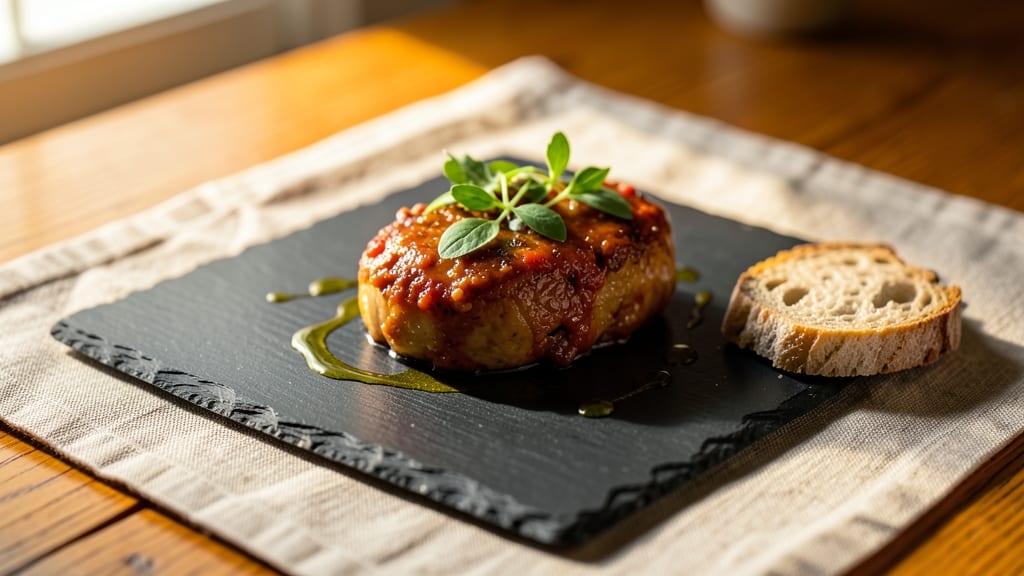
Mastering a food boil recipe that delivers restaurant-quality results in a single pot is simpler than you think. This one-pot protein-packed approach transforms basic ingredients into a hearty, flavorful meal with minimal effort and cleanup.
The key lies in balancing proteins, vegetables, and seasonings to create a dish that’s both nutritious and satisfying.
This recipe focuses on a one-pot method that cooks everything together—proteins like chicken or shrimp, vegetables, and grains—all while developing rich, layered flavors.
Perfect for weeknights or meal prep, it requires just 30 minutes of active time and delivers a complete meal with tender ingredients and a broth that’s packed with flavor. The beauty of boiling lies in its simplicity and versatility.
By the end, you’ll have a dish where proteins are perfectly cooked, vegetables retain their color and texture, and the broth is infused with savory depth. The result is a meal that’s hearty enough for a family dinner but simple enough for a solo serving.
Whether you’re boiling chicken, shrimp, or a mix of vegetables, this method ensures everything cooks evenly and absorbs the flavors.
Pair it with crusty bread or a fresh salad for a complete meal, or use the leftovers for lunches the next day. The possibilities are endless, and the cleanup is minimal—just one pot to wash. Let’s get started on creating your perfect boiled dish.
Ingredients for food boil
One-pot simplicity with protein, veggies, and bold flavors for a satisfying meal.
| Ingredient | Amount | Notes |
|---|---|---|
| Chicken Breast 🍗 | 1 ½ lb | Boneless, skinless, cut into bite-sized pieces |
| Large Carrots 🥕 | 4 whole | Medium size, cut into 2-inch chunks |
| Russet Potatoes 🥔 | 2 lb | Cut into 2-inch chunks, peeled |
| Yellow Onion 🧅 | 1 whole | Quartered, skin on for flavor |
| Garlic Cloves 🧄 | 6 cloves | Smashed with side of knife |
| Celery Stalks 🥬 | 3 whole | Cut into 1-inch pieces |
| Bay Leaves 🍃 | 2 whole | Dried, standard size |
| Salt 🧂 | 2 tsp | Kosher or sea salt |
| Black Peppercorns 🌶️ | 1 tsp | Freshly cracked |
| Dried Thyme 🌿 | 1 tsp | Or 1 tbsp fresh thyme |
| Chicken Broth 💧 | 4 cups | Low-sodium preferred |
| Extra-Virgin Olive Oil 🫒 | 1 tbsp | For initial searing |
| Lemon Wedges 🍋 | 2 whole | For serving, optional |
| Fresh Parsley 🌿 | ¼ cup | Chopped, for garnish |
The foundation starts with quality broth—low-sodium chicken broth ensures you control the salt level. For the protein, chicken breast delivers lean, tender results, but swap for shrimp or pork shoulder if preferred. Vegetables should be uniform in size (2-inch chunks) for even cooking. Whole Foods or Trader Joe’s carry pre-cut veggies for convenience, but cutting your own guarantees freshness. Look for firm, unblemished carrots and potatoes—they hold up best during boiling. Garlic and onions add depth; smash the garlic cloves for maximum flavor release without burning.
No chicken broth? Vegetable broth works equally well, and beef broth adds richness if you’re using beef instead of chicken. Swap carrots for green beans or zucchini—they cook faster, so add them later. Fresh thyme is ideal, but dried thyme at one-third the amount is a fine substitute. For a quicker version, use pre-cut frozen veggies (just thaw first). The olive oil is optional but creates a light crust on the chicken—skip if avoiding fat. Lemon wedges brighten the dish at the end; substitute lime or vinegar if needed.
This dish reheats beautifully—simmer gently in broth to preserve texture. Store in an airtight container for 4-5 days in the fridge or freeze for 3 months. For meal prep, portion into individual containers with extra broth to keep everything moist. The flavors deepen overnight, making leftovers even more satisfying. Garnish with fresh parsley just before serving to keep it vibrant—store parsley separately if prepping ahead.
Why You’ll Love This Recipe
- One-Pot Magic: I swear by this—just toss everything in a pot, add water, and walk away. No chopping like a fine-dining chef, no multiple pans, just chunky carrots, potatoes, and chicken that all cook together without fuss.
- Garlic-Onion Bomb: That onion and garlic combo? It’s the secret weapon. The potatoes soak up the flavor until they’re practically melting, and the chicken stays juicy with just a hint of caramelized edge—no dryness in sight.
- Lunchbox Hero: Between us, this is my go-to for meal prep. The leftovers reheat like a dream, and the portions are big enough to feed the whole family (or three lunches for me). Pack it cold or warm—either way, it’s a win.
- Budget Win: Chicken breast, potatoes, carrots—these are pantry staples that won’t break the bank. I’ve made this for under $10 for four servings, and honestly, it’s one of those dishes where you’d never guess it was this affordable.
Step-by-step instructions for one-pot protein-packed simplicity
This method delivers a hearty, flavorful dish with minimal cleanup—just one pot and 45 minutes.
Sear the Chicken Breast in Olive Oil
Heat a large Dutch oven or deep pot over medium-high heat. Add 1 tablespoon extra-virgin olive oil and let it warm for 1 minute until shimmering. Working in batches to avoid crowding, add the 1.5 lb chicken breast cut into bite-sized pieces. Press each piece gently with a spatula to ensure even contact with the pan.
Sear for 3-4 minutes per side until the chicken develops a golden-brown crust and reaches an internal temperature of 165°F. Remove the chicken with a slotted spoon and set aside on a plate. Here’s the thing—don’t skip this step. Searing builds deep flavor that simmering alone can’t replicate, and it prevents the chicken from turning rubbery during the long cook.
Sauté the Vegetable Base
In the same pot, add the 1 whole yellow onion (quartered), 3 whole celery stalks (cut into 1-inch pieces), and 4 whole large carrots (cut into 2-inch chunks). Cook for 5-6 minutes, stirring occasionally, until the vegetables begin to soften and develop a slight golden color. Add the 6 cloves garlic cloves (smashed) and the 2 lb russet potatoes (cut into 2-inch chunks) to the pot.
Pour in 4 cups chicken broth, then sprinkle the 2 tsp salt, 1 tsp black peppercorns, and 1 tsp dried thyme over everything. Add the 2 whole bay leaves and stir to combine. This is where the flavors start melding—you should notice the aroma of thyme and garlic filling the kitchen. If the mixture looks too dry, add a splash of water, but trust the broth will release as the vegetables cook.
Simmer Until Tender and Flavorful
Return the seared chicken to the pot, nestling it among the vegetables. Bring the mixture to a gentle boil over medium-high heat, then immediately reduce to a low simmer. Cover the pot with a tight-fitting lid and let it cook for 25-30 minutes, stirring occasionally. You’ll know it’s ready when the potatoes are fork-tender and the chicken shreds easily with a fork.
Here’s the critical part: maintain a steady simmer, not a rolling boil. Too much heat will toughen the chicken and turn the potatoes mushy. If the liquid reduces too quickly, add ½ cup water to keep everything moist. The dish should finish with about 1 cup of liquid remaining—this ensures the vegetables stay tender without becoming waterlogged.
Finish and Serve with Fresh Herbs
Once everything is tender, remove the 2 whole bay leaves and adjust the seasoning if needed. Taste the broth and add more salt or black peppercorns if required. Stir in the 0.25 cup fresh parsley just before serving to brighten the dish with a fresh, herbal note. The parsley should be finely chopped to distribute evenly throughout the pot.
Serve immediately, garnished with the 2 whole lemon wedges on the side for a tangy contrast. This one-pot meal delivers balanced flavors—savory chicken, earthy vegetables, and aromatic herbs—all in a single dish. The lemon wedges add a bright finish that cuts through the richness, making every bite refreshing.
Pro Tips For Making Food Boil
- Trim the Chicken: Cut chicken breasts horizontally at the thickest part—no, not just a shallow slice—split them all the way through. This guarantees even cooking instead of dry edges and undercooked centers. I used to skip this, and half my chicken always came out like shoe leather.
- Parboil the Potatoes First: Drop peeled potatoes into boiling water for 3 minutes before adding everything else. They’ll soften faster and stay intact instead of turning to mush. Yes, it’s an extra pot, but trust me—your dinner won’t resemble a vegetable stew.
- Don’t Overcrowd the Pot: If you’re boiling all ingredients together, work in batches. Too many veggies at once means uneven cooking and sad, half-raw carrots. I learned this after serving a plate where the center of a carrot was still crunchy like a hockey puck.
- Sear the Garlic Last: Add whole garlic cloves after everything else is tender, then simmer for 2–3 minutes until fragrant and golden. Raw garlic in boiled food tastes like a crime—this step turns it from bland to “oh wow.” (And yes, you can smash them slightly for faster flavor release.)
Flavor customization for this food boil
Spicy Kick
Transform this mild boil into a fiery feast by adding 1-2 tablespoons of cayenne pepper or 1-2 teaspoons of hot sauce (like Tabasco) to the broth. For a smoky heat, swap ½ teaspoon smoked paprika for regular thyme.
I love adding ½ cup diced jalapeños during the final 5 minutes of simmering—they add fresh heat and vibrant color. Serve with extra hot sauce on the side for those who want to control the spice level. 🌶️
Herb-Infused Variations
Swap the thyme for rosemary or oregano for a Mediterranean twist. For an Asian-inspired boil, use 1 tablespoon grated ginger, 2 cloves minced garlic, and 1 teaspoon sesame oil> instead of thyme.
Add 1 star anise pod and 1-inch cinnamon stick for warmth, then remove before serving. Fresh cilantro or basil at the end brightens the dish with a zesty finish.
Creamy Upgrade
Stir in ½ cup heavy cream or ½ cup coconut milk during the final 5 minutes of simmering for a velvety texture. This works especially well with shrimp or chicken, adding richness without overpowering the vegetables.
For a lighter option, use ¼ cup Greek yogurt mixed with 2 tablespoons lemon juice—it adds tangy creaminess while keeping the dish balanced. 💫
Umami Boost
Deepens the broth with 2 tablespoons soy sauce or 1 tablespoon fish sauce> (for Asian flavors). Add 1 sliced mushroom> (shiitake or cremini) or 1 tablespoon miso paste> to the broth while simmering.
For a smoky depth, include 1 teaspoon liquid smoke> or ½ cup cooked bacon> (crumbled) in the pot. These umami-rich additions elevate the dish from simple to restaurant-worthy.
Citrus Zest
Brighten the dish with zested orange or lemon peel> added to the broth during simmering. For a tangy finish, squeeze in 2 tablespoons fresh lemon or lime juice> at the end.
I also love adding ½ cup chopped pineapple> in the final 10 minutes>—it adds natural sweetness that balances the savory flavors beautifully. Garnish with extra zest or a sprinkle of Tajín for a citrusy crunch.
Cheesy Comfort
Stir in ½ cup shredded cheddar or Parmesan> during the last 5 minutes> of cooking for a cheesy, comforting twist. For a Mexican-inspired boil, top with ¼ cup crumbled queso fresco> and 2 tablespoons chopped cilantro> before serving.
If you prefer a creamier texture, melt 2 tablespoons butter> into the broth at the end—it adds a luxurious finish that pairs perfectly with crusty bread. 🧀
Nutrition facts
Frequently asked questions
Can I use frozen vegetables instead of fresh in this boiled dish?
Yes, but thaw them completely first to ensure even cooking. Frozen veggies work well for carrots, peas, or green beans—just add them during the last 5-10 minutes of simmering since they cook faster than potatoes. Avoid frozen onions or potatoes as they release excess moisture.
How do I adjust the recipe for dietary restrictions?
For gluten-free, use tamari instead of soy sauce and check broth labels. For low-carb, omit potatoes and add 1 cup cauliflower florets or ½ cup quinoa. Swap chicken for shrimp or tofu, and use vegetable broth for vegetarian versions. Always verify ingredient labels for hidden allergens.
Why does my boiled dish taste bland even after seasoning?
Bland flavor usually means the broth needs depth. Try adding 1 teaspoon fish sauce or ½ cup tomato paste to the broth while simmering. Another trick: deglaze the pot with 2 tablespoons white wine or apple cider vinegar after searing the chicken to lift browned bits with rich flavor.
Can I make this ahead of time for meal prep?
Cook the dish as directed, then let it cool completely. Store in an airtight container with ½ cup reserved broth to keep everything moist. Reheat gently on the stove for 5-10 minutes—never microwave directly from cold. The flavors actually improve after 24 hours as ingredients meld further.
What’s the best way to reheat leftovers without drying them out?
Use the stovetop method: add 2-3 tablespoons broth per serving and simmer uncovered for 5-7 minutes until heated through. For microwave reheating, cover with a damp paper towel and heat in 30-second intervals, stirring between each. Avoid high heat to prevent toughening the chicken.

- Chicken Pelau Recipe: Caribbean-Style Rice with Tender Chicken and Pigeon Peas - November 29, 2026
- Best Cream of Broccoli Soup Recipe with Heavy Cream: Velvety Richness in One Pot - November 29, 2026
- Authentic Thai Green Mango Salad Recipe: Zesty, Tangy, and Refreshing Balance - November 29, 2026