
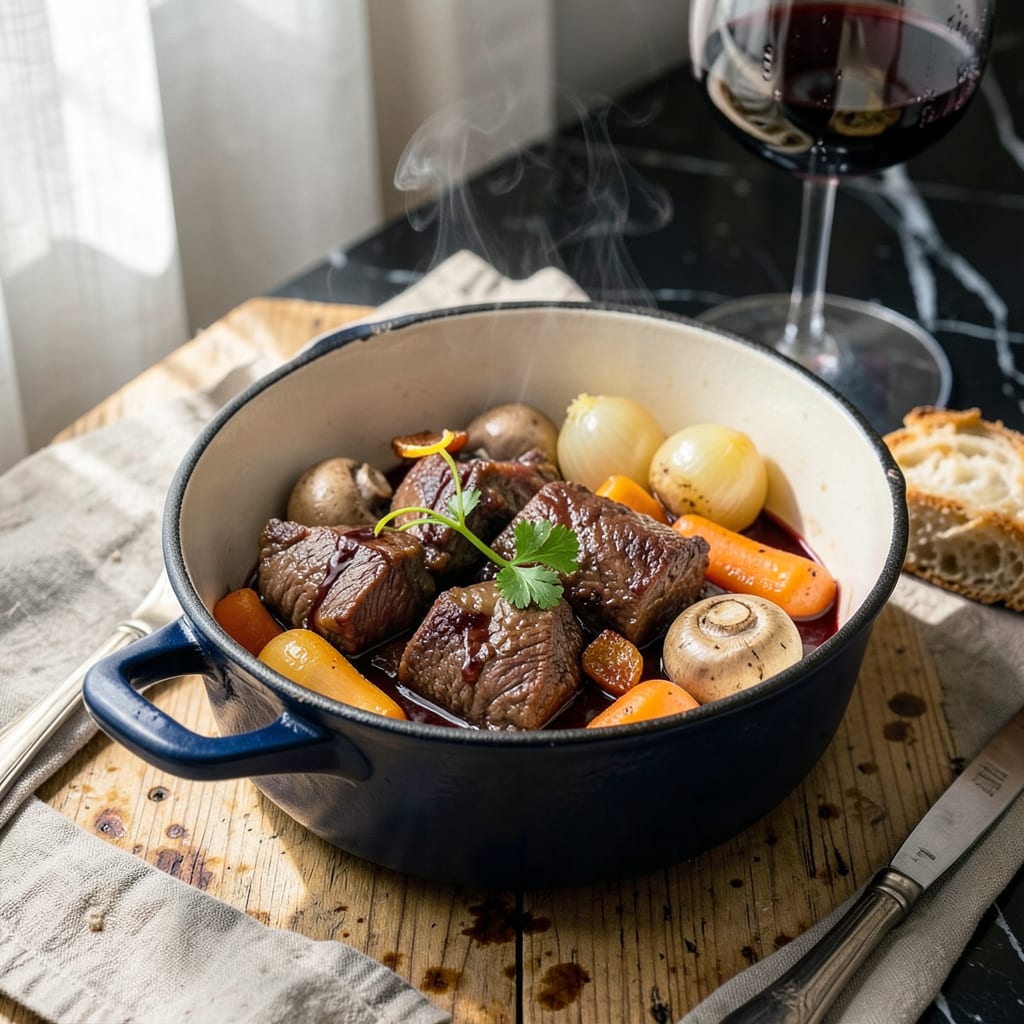
The best French cookbooks combine authentic techniques with accessible instructions. Look for titles by Julia Child, Jacques Pépin, or Dorie Greenspan for classic and modern French cuisine at home.
These culinary guides bridge the gap between professional French kitchens and home cooks by breaking down complex methods into manageable steps. 🔥 What sets them apart is their ability to preserve traditional flavors while adapting to modern kitchen realities—think simplified sauce reductions or alternative ingredient suggestions when specialty items aren’t available. I’ve found that the most valuable volumes include not just recipes, but also the cultural stories behind dishes, helping you understand why certain techniques matter. The authors I recommend have spent decades perfecting their craft, ensuring their books deliver both inspiration and practical results.
💡 In This Article
- What Makes a French Cookbook Truly Authentic
- How to Choose the Right French Recipe Book for Your Skill Level
What Makes a French Cookbook Truly Authentic
Authenticity in French cookbooks hinges on three core pillars: chef credentials, regional specificity, and adherence to classical techniques. The most respected authors like Jacques Pépin trained at École Hôtelière de Lausanne or worked in 3-Michelin-starred kitchens, bringing decades of professional experience to their writing.
Their recipes often include precise measurements in both metric and imperial, with temperature specifications down to 5°F increments for critical steps like tempering chocolate or making hollandaise. 🔥
Regional focus separates exceptional books from generic ones. A truly authentic volume will distinguish between a Provençal ratatouille (with eggplant as the star) and a Bordeaux-style vegetable medley (heavier on peppers and tomatoes).
The best include maps showing where dishes originated and why local ingredients matter—for example, using Comté cheese from Franche-Comté versus generic Gruyère in a croque-monsieur. These details preserve culinary traditions that date back centuries.
The magic happens in how traditional techniques get adapted for home kitchens. Classic French methods often require professional equipment, but top authors provide workarounds: using a food processor instead of a tamis for purées, or achieving proper caramelization in a home oven set to 425°F rather than a restaurant’s 600°F salamander.
What I love about books like Dorie Greenspan’s is how they explain the science behind techniques—why you must rest pastry dough for exactly 30 minutes before rolling, or how butter’s 15-18% water content affects sauce emulsions. ✨
Ingredient authenticity often gets overlooked but makes or breaks a dish. The finest cookbooks specify not just “butter” but European-style butter with 82-86% fat content for proper laminating in croissants. They’ll call for sel gris instead of table salt in bouillabaisse, or explain why T45 flour (the French standard) behaves differently than American all-purpose.
These specifics ensure your boeuf bourguignon tastes like it came from a Burgundy farmhouse rather than a generic stew. The cultural context matters too—understanding that coq au vin was originally a way to tenderize old roosters explains why modern versions using chicken thighs work better than breast meat.
What most people don’t realize is that authentic French cooking values precision over speed. The best books include timing breakdowns that account for mise en place (prep work) separately from active cooking. For instance, Julia Child’s Mastering the Art of French Cooking allocates 45 minutes just for prepping vegetables for a 20-minute sauté.
This respect for the process—rather than just the final dish—is what transforms a recipe collection into a true French cooking education. 💫
Finally, look for books that include wine pairing suggestions with specific appellations (like a Sancerre with goat cheese tart or a Côtes du Rhône with daube), not just generic “red wine” recommendations.
The most authentic volumes will also feature seasonal menus that reflect how French home cooks actually eat—think spring asparagus with mimosa sauce in April, or wild mushroom dishes in autumn. These details create a complete culinary experience that goes beyond individual recipes.

- BBQ Sausage Recipe Oven: Smoky Depth Without the Grill - September 28, 2026
- BBQ Chicken Bowl Recipe Rice: Smoky Sweetness Over Fluffy Grains - September 28, 2026
- Beef Cutlet Recipe Ideas: Crispy Breaded Patties With Bold Seasonings - September 28, 2026