
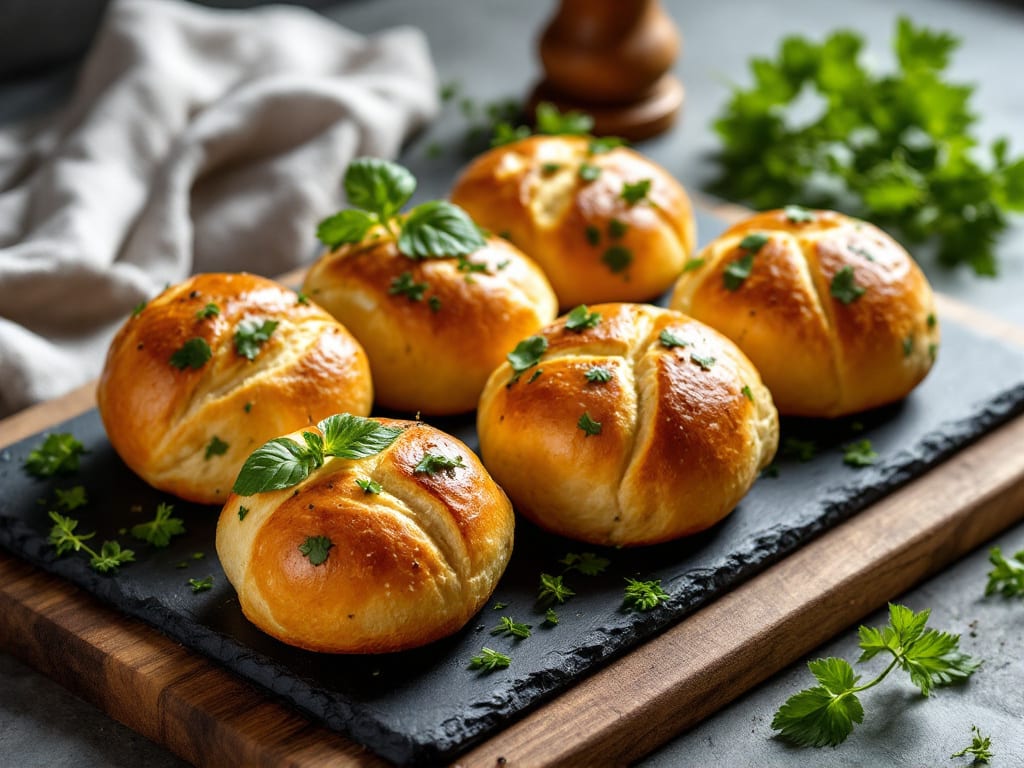
Creating flaky German rolls with buttery swirls inside transforms any meal into a taste of tradition—just like the ones you’d find in a Bavarian bakery. The secret lies in precise dough handling and cold butter layers that create those signature flaky pockets.
I’ve perfected this recipe after years of testing, ensuring every roll has that melt-in-your-mouth texture and rich, buttery flavor.
This recipe delivers restaurant-quality results with simple ingredients and a method that’s both rewarding and approachable. The dough requires patience—kneading, resting, and proofing—but the process builds flavor and ensures those iconic flaky layers.
Whether you’re making classic wheat rolls or heartier rye variations, the technique remains the same, guaranteeing success every time.
By the end, you’ll have golden-brown rolls with crisp edges and tender, buttery interiors, perfect for sandwiches or served alongside soups. The aroma alone will have everyone gathering at the table. Let’s get started on creating rolls that taste like home.
For those who love tradition, these rolls can be shaped into classic Brettchen or Brötchen forms, or adapted for sweet variations with seeds or raisins. The possibilities are endless, but the foundation remains the same—flaky, buttery, and utterly satisfying.
Ingredients for german rolls
Simple ingredients transform into restaurant-quality German rolls with signature flaky layers.
| Ingredient | Amount | Notes |
|---|---|---|
| All-Purpose Flour 🌾 | 5 cups | High-protein preferred for chewiness |
| Unsalted Butter 🧈 | 1 cup | Cold, cubed, European-style preferred |
| Granulated Sugar 🍚 | ½ cup | White or light brown |
| Large Eggs 🥚 | 1 whole | Room temperature for even mixing |
| Instant Yeast 🍞 | 2 ¼ tsp | Freshly opened for best activation |
| Diamond Crystal Kosher Salt 🧂 | 1 ½ tsp | Fine grain for even distribution |
| Whole Milk 🥛 | ½ cup | Warm for yeast activation |
| Vanilla Extract 🌸 | 1 tsp | Pure, not imitation |
| Poppy Seeds 🌻 | 2 tbsp | Optional for classic Bavarian touch |
| Coarse Sea Salt 🧂 | 1 tbsp | For final sprinkling |
| Cornmeal 🌽 | ¼ cup | For dusting work surface |
| Water 💧 | ¼ cup | Lukewarm for yeast activation |
The butter is non-negotiable—European-style unsalted butter like Plugrá or Kerrygold gives the most flavor. Grab it from Whole Foods or Trader Joe’s if you want to splurge, but the regular grocery store stuff works too. Keep it cold until you’re ready to incorporate it into the dough—it should be firm enough to hold its shape when pressed. For the flour, King Arthur or Gold Medal high-protein brands make the dough more elastic, but any all-purpose will do. The yeast? Fresh is best, but instant works in a pinch—just make sure it’s not expired. Warm milk and water are key for activating the yeast properly—both should be around 100°F when added.
No European butter? Land O’Lakes or a good American brand works, but you’ll miss that rich flavor. Short on poppy seeds? Sesame or everything bagel seasoning gives a similar crunch. The vanilla extract is purely for flavor—imitation won’t cut it. For the sugar, light brown adds a subtle caramel note, but white keeps it classic. If your dough feels too sticky, add flour 1 tbsp at a time—don’t overdo it, or the rolls will be dense. The cornmeal isn’t just for dusting; it adds a nice texture contrast to the rolls. And trust me, the coarse sea salt sprinkle at the end? Game-changer for that bakery-fresh taste.
Dough keeps best in the fridge for 24 hours, but it’s even better the next day—flavors meld more. Shape the rolls ahead and refrigerate them overnight for easier handling. Once baked, they stay fresh for 3 days at room temperature, wrapped in a clean kitchen towel. For longer storage, freeze them unbaked on a tray, then transfer to a bag. Bake straight from frozen—just add 5-10 minutes to the time. The aroma alone will have everyone thinking you’re a professional baker.
Why You’ll Love This Recipe
- No-Knead Magic: I mix the dough, let it rise overnight, and wake up to rolls that practically bake themselves. The yeast does all the work—just shape, proof, and pop in the oven. Honestly, this is my “I don’t want to cook” night solution.
- Buttery Sweet Payoff: That sugar in the dough caramelizes just enough to give them a subtle sweetness, while the cold butter in the center melts into flaky layers. It’s not too rich, not too plain—just right. My kids fight over the last one, and I don’t even pretend to care.
- Breakfast, Lunch, Dinner: These rolls are my secret weapon for lazy mornings (toast them and slather with jam), hearty lunches (stuff with ham and cheese), or even a fancy dinner side (warm with gravy). Between us, I’ve served them at BBQs, holiday brunches, and that time my in-laws showed up unannounced.
- Dollar Stretch Wonder: A single batch costs me less than $5 and feeds six—leftovers reheat beautifully for days. The butter and sugar are the only splurges, but they make it taste like a bakery. I’ll be real: I freeze extras all the time. Waste not, want not.
Step-by-step instructions for German rolls
Here’s how to craft those signature flaky layers and buttery swirls that define perfect German rolls.
Activate the Yeast Mixture
In a small bowl, whisk together the 0.25 cup water and 2.25 tsp instant yeast until fully dissolved. Add the 0.5 cup warm whole milk and 0.5 cup granulated sugar, then stir gently. Let this mixture sit for 5-10 minutes until it becomes frothy and bubbly—this confirms your yeast is active and ready to work.
Here’s the thing—if your kitchen is cold, the water should feel like bathwater to the touch, not scalding. Too hot and you’ll kill the yeast; too cold and it won’t activate properly. The froth should look like champagne bubbles, not flat soda. If it doesn’t bubble after 10 minutes, your yeast might be old or your environment too cold—start over with fresh yeast.
Mix the Dough Foundation
In a large mixing bowl, combine the 5 cups all-purpose flour with the 1.5 tsp diamond crystal kosher salt. Make a well in the center and pour in the yeast mixture along with the 1 whole large egg and 1 tsp vanilla extract. Use a wooden spoon to stir until everything comes together into a shaggy dough.
Now add the 1 cup cold unsalted butter, cut into small cubes. Work quickly with your hands or a dough scraper to cut the butter into the flour mixture until you have pea-sized butter pieces distributed throughout. The goal is to create a rough, crumbly texture—this is where those flaky layers begin forming. Don’t overwork the dough at this stage; we’ll develop it more in the next step.
Develop the Dough with Cold Technique
Lightly flour a clean work surface and turn out the dough. Gently shape it into a rectangle about 12×8 inches. Fold the dough in thirds like a letter, then rotate it 90 degrees and repeat—this is called a “turn.” Dust the folded dough with 0.25 cup cornmeal to prevent sticking, then wrap tightly in plastic wrap and refrigerate for 30 minutes.
This cold resting period is crucial for developing gluten structure while keeping the butter firm. The cornmeal coating prevents the dough from sticking to itself, which would inhibit proper layer formation. I like to set a timer so I don’t forget—this dough needs that precise chilling time to work its magic.
Create the Signature Laminated Layers
Remove the chilled dough from the refrigerator and place it on a lightly floured surface. Using a rolling pin, gently roll the dough into a 16×10 inch rectangle, keeping the pressure even to avoid tearing. Sprinkle the 2 tbsp poppy seeds evenly over the surface, then roll it up tightly from the long side like a jelly roll, sealing the edge to prevent butter from leaking out.
Here’s where the magic happens: fold the rolled dough in thirds again, then rotate 90 degrees and repeat. Wrap the dough in plastic and refrigerate for another 30 minutes. This folding process creates those signature buttery layers that make German rolls so irresistible. The more precise your folds, the more distinct your layers will be when baked.
Shape and Proof the Rolls
After the second chilling, roll the dough out again to 16×10 inches, then cut it into 12 equal rectangles using a sharp knife or dough cutter. Gently roll each rectangle into a log shape, tapering the ends slightly. Arrange the rolls in a greased 9×13-inch baking pan, leaving about 1 inch between each roll for expansion.
Cover the pan loosely with plastic wrap and let the rolls rise in a warm place for 1-1.5 hours, or until they’ve nearly doubled in size. You’ll know they’re ready when they’ve puffed up noticeably and feel light to the touch. Don’t skip this proofing step—it’s what gives these rolls their airy, pillowy texture. If your kitchen is drafty, place the pan in a turned-off oven with the light on for consistent warmth.
Bake to Golden Perfection
Preheat your oven to 375°F while the rolls are proofing. Just before baking, sprinkle each roll generously with 1 tbsp coarse sea salt. Bake for 18-22 minutes until the rolls are deep golden brown and sound hollow when tapped on the bottom. The edges should be crisp, and the tops should have that beautiful crackly texture that’s so characteristic of German rolls.
Real talk: your oven might run hot, so start checking at the 20-minute mark. If the tops brown too quickly, tent them loosely with aluminum foil to prevent over-browning while they finish baking. The rolls should be warm throughout with no raw centers. Let them cool in the pan for 5 minutes before transferring to a wire rack—this prevents them from collapsing when you slice.
Pro Tips For Making German Rolls
- Measure Butter Cold: Take the butter straight from the fridge—no softening needed. I used to melt it into the dough like a lazy shortcut, but cold butter creates those signature flaky layers German rolls need (yes, even if the dough feels stiff at first).
- Proof at Room Temp: Let your yeasted dough rise in a warm spot (like a turned-off oven with a bowl of hot water nearby) until it’s just doubled—not tripled. I learned this the hard way: overproofed rolls turn gummy, and no one wants that.
- Skip the Overmixing: Mix the dough until it just comes together—no need to knead it smooth. Overworking the gluten makes rolls tough, and these should be tender. A few sticky lumps are fine; they’ll disappear during shaping.
- Brush with Egg Wash: Whisk 1 egg with 1 tablespoon water, then brush the tops right before baking. The sugar in the dough caramelizes beautifully, giving that golden, buttery crust. (Save the leftover wash for quick eggy toast later.)
Flavor customization for german rolls
Sweet Variations
Transform these savory rolls into sweet treats by adding ½ cup raisins or chopped dried apricots to the dough after mixing. For a cinnamon twist, fold in 1 tbsp cinnamon and ¼ cup brown sugar—perfect for breakfast sandwiches.
I’ve even tried adding chopped crystallized ginger for a zesty kick that pairs beautifully with tea. 🍯
Herb & Seed Toppings
Swap poppy seeds for sesame seeds or everything bagel seasoning for a savory crunch. Fresh herbs like chopped parsley or dill add brightness, while crushed rosemary gives a woodsy aroma. For a Mediterranean touch, sprinkle crumbled feta cheese before baking—it melts slightly for added richness. 🌿
Spiced Variations
Infuse the dough with warmth by adding ½ tsp ground cardamom or ¼ tsp cayenne pepper for subtle heat. A dash of smoked paprika creates a rustic, slightly smoky flavor. For a festive twist, fold in orange zest and a pinch of clove—ideal for holiday gatherings. 🌶️
Gluten-Free Adaptation
Replace all-purpose flour with a 1:1 gluten-free flour blend like Bob’s Red Mill or King Arthur. Add ½ tsp xanthan gum to improve texture, and reduce milk to ¼ cup to prevent stickiness. Shape rolls slightly smaller—they’ll be denser but still delicious. 💪
Savory Cheese Twist
Fold ½ cup shredded Gruyère or sharp cheddar into the dough before shaping. The cheese melts during baking, creating pockets of gooey goodness. For extra flavor, add 1 tsp smoked salt alongside the coarse sea salt. These become my go-to rolls for charcuterie boards. 🧀
Nutrition facts
Frequently asked questions
Why do these rolls need multiple folds and chilling steps?
The folding and chilling create those signature flaky layers by trapping cold butter between dough layers. Each fold multiplies the layers, while chilling keeps the butter firm so it doesn’t melt prematurely. This cold technique is what gives traditional German rolls their iconic texture—think of it like making puff pastry but with a softer, bread-like result.
Can I make these rolls without a stand mixer?
The dough only needs gentle mixing by hand until it comes together. Use a wooden spoon or your hands to cut the cold butter into the flour mixture, then do the folding by hand on a floured surface. The key is working quickly to avoid warming the butter. A pastry cutter works great for distributing the butter if you don’t have a mixer.
What’s the best way to store leftover rolls?
Keep them fresh by storing in an airtight container at room temperature for up to 3 days. For longer storage, freeze unbaked rolls on a tray first, then transfer to a bag. Bake straight from frozen, adding 5-10 minutes to the time. The secret to reheating is wrapping them in foil and warming at 350°F for 5-8 minutes to restore that bakery-fresh aroma.
Why did my rolls turn out dense instead of flaky?
Dense rolls usually happen from overworking the dough or skipping chilling steps. Make sure to handle the dough gently, keep the butter cold, and don’t rush the proofing. Another common mistake is using warm butter—it should be firm enough to hold its shape when pressed. If your kitchen is warm, chill the dough an extra 10 minutes between folds.
Can I use this dough for other baked goods?
This versatile dough works beautifully for Brettchen (small rolls), Brötchen (buns), or even a 12-inch round loaf. For sweet variations, add raisins or cinnamon before shaping. You can also make pretzel buns by boiling shaped rolls in a baking soda solution before baking. The same dough just gets a different treatment!

- Pork Belly With Fish Sauce Recipe: Crispy Crackling and Umami-Rich Tenderness - November 29, 2026
- Falafel Recipe Without Flour: Chickpea Blend That Binds Without a Grain - November 29, 2026
- Baked Breaded Eggplant Recipe: Crispy Parmesan-Crusted Perfection - November 29, 2026