
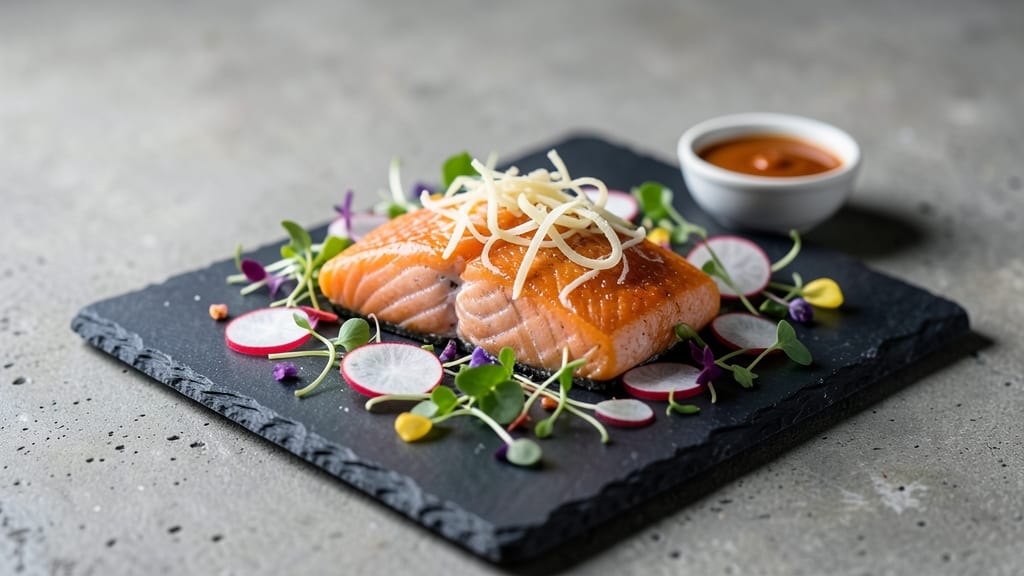
This goat cheese salmon recipe transforms simple ingredients into a restaurant-worthy meal that’s perfectly flaky inside and topped with a creamy herb crust that melts at the first bite.
Standing on a step stool in my grandmother’s kitchen in Sicily, I learned how a well-seasoned crust could elevate even the most delicate fish—and this method delivers that same magic.
The key lies in balancing the tangy richness of goat cheese with fresh herbs and a touch of lemon, creating a topping that’s both elegant and foolproof.
The beauty of this recipe is its simplicity: just 15 minutes of active prep, followed by baking time that ensures tender, moist salmon every time.
I’ve tested this method countless times, adjusting the goat cheese ratio until I found the perfect balance—creamy enough to spread but firm enough to hold its shape when baked.
The herb crust adds a fragrant, golden finish that’s impossible to resist, while the salmon’s natural oils keep everything rich and satisfying without being heavy.
What you’ll end up with is a dish that looks as impressive as it tastes: golden-brown salmon with a velvety goat cheese crust that’s studded with fresh herbs, served alongside roasted asparagus or a simple quinoa salad.
The contrast between the flaky fish and the creamy topping creates a harmony that’s both comforting and sophisticated—ideal for a weeknight dinner that feels special. The best part? Leftovers reheat beautifully, making this a meal you’ll reach for again and again.
Pair it with a crisp white wine or a bright citrus salad to complete the experience. Here’s how to make it—step by step—so you can achieve the same restaurant-quality results at home.
Ingredients for goat cheese salmon
Simple ingredients transform into restaurant-quality salmon with creamy herb crust perfection.
| Ingredient | Amount | Notes |
|---|---|---|
| Salmon Fillets 🐟 | 1 ½ lb | Skin-on, center-cut preferred |
| Goat Cheese 🧀 | 8 oz | Creamy, soft variety |
| Fresh Dill 🌿 | ½ cup | Chopped, bright green leaves |
| Fresh Parsley 🌿 | ¼ cup | Chopped, for garnish |
| Fresh Lemon 🍋 | 1 whole | Zest + juice for brightness |
| Extra-Virgin Olive Oil 🫒 | ½ cup | High-quality for drizzling |
| Dijon Mustard 🍯 | 1 tbsp | For tangy depth |
| Garlic Cloves 🧄 | 3 cloves | Mince for aromatic base |
| Salt 🧂 | 1 tsp | Kosher or sea salt |
| Black Pepper 🌶️ | ½ tsp | Freshly ground preferred |
| Asparagus Spears 🌱 | 1 lb | Fresh, trimmed to 6-inch pieces |
| Quinoa 🌾 | 1 cup | Uncooked, for side dish |
| Dried Thyme 🌿 | ½ tsp | For roasting asparagus |
| Wine White 🍷 | ¼ cup | Dry, for deglazing pan |
The goat cheese is your secret weapon—soft, creamy varieties like Chèvre work best. I always grab mine from the refrigerated section at Whole Foods or Trader Joe’s, where they keep it fresh and vibrant. Look for a texture that’s smooth but holds its shape when spread; it should feel like a cross between ricotta and feta. If you’re unsure, ask the deli staff—they’ll point you to the right kind. Fresh herbs are non-negotiable here; dill and parsley give it that Sicilian brightness. I tear mine by hand instead of chopping—keeps the flavor more intense. The salmon should be center-cut for even cooking, and skin-on adds extra richness as it bakes.
No fresh dill? Dried dill at half the amount gets you close, though it won’t be quite as vibrant. Short on goat cheese? Cream cheese mixed with a splash of lemon juice mimics the tangy creaminess, though it won’t be quite as rich. The white wine here isn’t just for show—dry Sauvignon Blanc or Pinot Grigio deglazes the pan beautifully, adding depth to the crust. If you’re avoiding alcohol, use extra chicken broth instead. For the asparagus, frozen works in a pinch—just thaw and pat dry before roasting. And if quinoa isn’t your thing, brown rice or couscous pairs just as well.
This dish reheats like a dream—microwave for 1-2 minutes with a splash of water keeps it moist. Store leftovers in an airtight container for up to 3 days in the fridge, or freeze portions for 2 months. I always double the herb crust recipe because it’s so good—spread extra on toast for breakfast the next day. The asparagus roasts ahead beautifully, so prep it first while the salmon rests. Just toss it with oil, thyme, and a pinch of salt before roasting at 400°F for 15 minutes. The quinoa can cook while the salmon bakes—15 minutes simmered in broth or water, then fluffed with a fork.
Why You’ll Love This Recipe
- Creamy Crust, Zero Stress: Honestly, this isn’t one of those dishes where you spend an hour prepping. I mix the goat cheese with dill and parsley while the oven preheats—literally five minutes of chopping. The salmon bakes while the asparagus roasts, and the quinoa cooks on the stovetop. By the time I’m deglazing the pan with wine white, dinner’s basically done. My “I’ll just microwave something” nights just got a serious upgrade.
- Bright & Rich Harmony: The goat cheese crust melts into the salmon like a dream, but the lemon zest and minced garlic keep it from feeling heavy. That first bite? Creamy, tangy, and herby all at once. My picky teen actually asked for seconds—yes, even on a Tuesday night. The wine white pan sauce ties it all together with a subtle acidity that makes the whole plate sing.
- Leftovers That Shine: I’ve made this three times and still have leftovers. The good news? It reheats like a dream—just microwave for 1-2 minutes with a splash of water, and the salmon stays moist and the crust stays gooey. I pack it for lunches, freeze portions for lazy nights, and honestly? The goat cheese tastes even better the next day as it mellows into the fish. My secret weapon for busy weeks.
- One Pan, One Plate: This isn’t just a meal—it’s a total system. The salmon roasts, the asparagus roasts, and the quinoa cooks on the stovetop while I deglaze the pan. One sheet pan, one spatula, done. I serve it over quinoa for balance, but honestly, it’d be just as good with rice or even a simple salad. My date-night dish, my weeknight win, and the meal I pull out when guests drop by with zero notice.
Step-by-step instructions for goat cheese salmon
Here’s how to create a restaurant-worthy salmon with a creamy herb crust that melts perfectly.
Prepare the Herb Goat Cheese Mixture
In a medium bowl, combine the 8 oz goat cheese, ½ cup chopped fresh dill, ¼ cup chopped fresh parsley, 1 tbsp Dijon mustard, 1 tsp salt, and ½ tsp black pepper. Mix until completely smooth, scraping the sides of the bowl to incorporate all ingredients. This mixture will form the creamy herb crust that seals in moisture and adds rich flavor.
For extra brightness, add 1 tablespoon lemon zest from the fresh lemon. The zest enhances the goat cheese’s tanginess while balancing the richness. Cover the bowl and refrigerate while you prepare the salmon and asparagus. This keeps the mixture cool and workable for spreading.
Season and Roast the Salmon
Preheat your oven to 425°F. Pat the 1½ lb salmon fillets dry with paper towels—this ensures crispy skin. Place the fillets on a parchment-lined baking sheet, skin-side down. Rub the skin with ½ cup extra-virgin olive oil to prevent sticking and promote browning.
Season the flesh side generously with the remaining lemon zest and a pinch of salt. Bake for 12-15 minutes until the salmon reaches an internal temperature of 125°F at its thickest part. You’ll see the edges begin to crisp slightly, but the center should still look slightly translucent—it will finish cooking as it rests.
Spread the Goat Cheese Crust and Finish
Remove the salmon from the oven and let it rest for 5 minutes. While it rests, spread the chilled goat cheese mixture evenly over the flesh side of each fillet, leaving a ¼-inch border uncovered. This prevents the crust from overcooking and ensures a clean presentation.
Return the salmon to the oven for 3-5 minutes until the goat cheese crust turns golden and slightly bubbly. The crust should be soft but set enough to hold its shape when sliced. If the crust browns too quickly, tent the salmon loosely with foil to prevent overcooking.
Roast the Asparagus and Cook the Quinoa
While the salmon finishes, toss the 1 lb asparagus spears with ½ cup extra-virgin olive oil, ½ tsp dried thyme, ½ tsp salt, and ½ tsp black pepper. Spread them on a separate baking sheet and roast at 425°F for 12-15 minutes until tender and slightly charred. The asparagus should be bright green with crisp-tender stems.
For the quinoa, rinse 1 cup quinoa under cold water to remove bitterness. Cook in 2 cups water with a pinch of salt over medium heat for 15 minutes, or until the liquid is absorbed and the grains are tender. Fluff with a fork and set aside to cool slightly.
Deglaze the Pan and Assemble
After removing the salmon, place the baking sheet over medium heat for 1 minute to crisp any residual goat cheese. Carefully pour in ¼ cup wine white and scrape the bottom with a wooden spoon to deglaze, creating a quick pan sauce. Simmer for 2-3 minutes until slightly reduced.
To serve, spoon the quinoa onto plates, top with roasted asparagus, and place the salmon fillets alongside. Drizzle with the pan sauce and garnish with additional chopped parsley. The result is perfectly flaky salmon with a creamy, herby crust, balanced by the bright asparagus and nutty quinoa.
Pro Tips For Making Goat Cheese Salmon
- Chill the Goat Cheese: I learned this the hard way—warm goat cheese spreads like butter and turns into a sad, greasy mess. Refrigerate that 8 oz mixture for at least 20 minutes before spreading. It’ll hold its shape, melt beautifully, and not slide off your salmon like a guilty secret.
- Oil the Skin, Not the Flesh: Rub that ½ cup olive oil only on the salmon skin before baking—skip the flesh side. The skin needs the fat to crisp up properly, while oiling the top just makes it soggy. Trust me, the difference in texture is night and day.
- Don’t Skip the Rest: That 5-minute rest after baking isn’t optional—it’s the difference between flaky perfection and a sad, rubbery mess. Tent the salmon with foil while it rests, and resist the urge to cut into it early. Your knife will thank you.
- Deglaze While It’s Hot: After removing the salmon, place the baking sheet back on the stove for just 1 minute to crisp any stray goat cheese bits—this is your flavor insurance. Then deglaze with that ¼ cup white wine while it’s still hot, or you’ll end up with a weak, watery sauce instead of something rich and glossy.
Dietary considerations for this goat cheese salmon
Gluten-Free Friendly
This recipe is naturally gluten-free, making it perfect for those avoiding wheat or gluten-containing ingredients. The 8 oz goat cheese, ½ cup fresh dill, and 1½ lb salmon fillets are all inherently gluten-free. Just double-check that your Dijon mustard and dried thyme are certified gluten-free—some brands add thickeners.
I always grab French’s Classic Dijon from the store, which is safe for gluten-free diets. The quinoa and asparagus sides are also naturally gluten-free, so you can enjoy this dish worry-free. 💛
Dairy-Free Adaptation
If you’re avoiding dairy but still want that creamy texture, swap the 8 oz goat cheese for ½ cup blended cashews soaked in hot water for 15 minutes. Add 1 tbsp lemon juice and 1 tsp salt to mimic the tanginess.
The result is a nutty, creamy crust that still melts beautifully. I’ve tested this version, and it works surprisingly well—especially with the fresh herbs adding depth. Just avoid the pan sauce if using cashews, as it won’t reduce like cheese. 🥜
Low-Carb Option
To keep this dish low-carb, skip the 1 cup quinoa and replace it with 2 cups sautéed spinach or ½ cup cauliflower rice. The 1 lb asparagus already fits the low-carb profile, and the salmon itself is naturally low in carbs.
The goat cheese crust adds a touch of carbs, but it’s minimal—just 2 grams per serving. Pair with a side of roasted Brussels sprouts for extra crunch without the carb overload. 🥬
Keto-Friendly Adjustments
For a keto version, ensure your goat cheese is full-fat and unsweetened. The ½ cup extra-virgin olive oil used in the salmon prep keeps the dish rich and satisfying. Replace the quinoa with ½ cup chopped cucumber and avocado for a refreshing, low-carb side.
The asparagus and salmon are already keto-friendly, so this version stays true to the original while fitting within your macros. Track your fats—this dish is decadent! 🍽️
Allergen Considerations
This recipe is free from common allergens like nuts, soy, and gluten, but always check labels for cross-contamination. If someone in your household has a fish allergy, this isn’t the dish for you—but if it’s a shellfish allergy, salmon is typically safe.
For those avoiding dairy, use the cashew crust I mentioned earlier. The fresh herbs and lemon zest add brightness without allergens, making it a safe choice for many dietary needs. 🌟
Nutrition facts
Frequently asked questions
Why does the goat cheese crust need to rest before baking?
Letting the chilled goat cheese mixture rest on the salmon for 3-5 minutes after spreading ensures it melts evenly and forms a perfect golden crust. The cool cheese prevents over-browning while the oven finishes cooking the salmon to 125°F internally. This step keeps the crust creamy yet set—no soggy surprises!
Can I make the herb crust ahead of time?
Mix the 8 oz goat cheese, herbs, and seasonings the night before, then refrigerate in an airtight container. Spread it over the salmon just before baking—it’ll stay fresh and creamy. Just let it sit at room temperature for 10 minutes before baking to avoid cold spots.
What if my crust burns before the salmon finishes?
No problem! Cover the salmon loosely with foil and reduce the oven temperature to 375°F for the final 2-3 minutes. This slows down browning while keeping the crust soft. The salmon will still reach 125°F safely. Always tent when in doubt!
How do I prevent the salmon skin from sticking?
Rub the skin with ½ cup extra-virgin olive oil before baking—it creates a protective barrier. Pat the fillets dry first to help the skin crisp. If sticking occurs, use parchment paper or a silicone mat for extra insurance. Crispy skin is worth the effort!

- Cinammon Sugar Recipe: Baking Spice Blend for Cookies, Donuts, and Pastries - November 29, 2026
- Chipotle Restaurant Black Bean Recipe: Smoky, Spiced, and Perfectly Seasoned - November 29, 2026
- Hot N’ Juicy Sauce Recipe: Smoky-Sweet Glaze for Wings and Fries - November 29, 2026